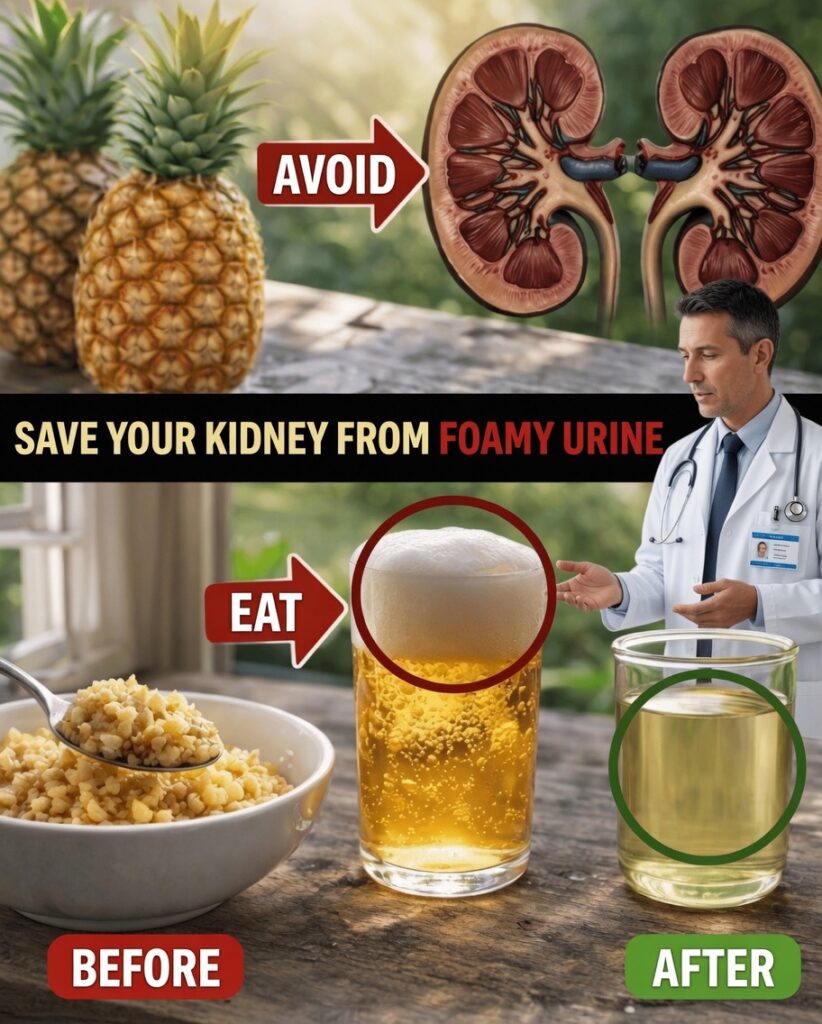
Foamy Urine? These Natural Foods May Help Protect Your Kidneys and Reduce Protein Loss
Noticing changes in your urine—especially excessive foam—can feel alarming. In many cases, foamy urine may be linked to protein in the urine (proteinuria), which can be a sign that the kidneys are under stress due to diet, inflammation, dehydration, or other underlying factors. It’s normal to wonder whether simple daily habits can actually make a difference.
The encouraging news: research suggests that certain nutrient-dense foods may support kidney health thanks to their antioxidant and anti-inflammatory properties. There’s also one essential habit that helps these benefits go further—you’ll see it later in this article.
Why Kidney Health Matters
Your kidneys do far more than produce urine. They play crucial roles in keeping the body stable, including:
- Filtering waste and toxins from the blood
- Balancing fluids and electrolytes
- Supporting healthy blood pressure regulation
When protein leaks into the urine, it can signal kidney inflammation or strain. Over time, this may affect kidney function if the cause isn’t addressed.
Studies indicate that a diet rich in antioxidants and healthy fats can help reduce inflammation and support long-term kidney function. The key is consistency—small changes repeated daily often have the biggest impact.
The 10 Best Kidney-Friendly Superfoods
1. Pineapple
Pineapple provides bromelain, a compound known for anti-inflammatory activity, along with vitamin C and manganese, which help combat oxidative stress.
2. Blueberries
Blueberries are rich in anthocyanins, powerful antioxidants that help protect cells and may reduce inflammation.
3. Strawberries and Other Berries
Berries supply vitamin C, fiber, and anti-inflammatory plant compounds that also support heart health—an important piece of overall kidney wellness.
4. Fatty Fish (such as salmon)
Fatty fish contains omega-3 fatty acids, which can help lower inflammation and may support healthier kidney filtration, potentially reducing protein loss in urine.
5. Red Bell Peppers
Naturally low in potassium and high in vitamins A and C, red bell peppers help protect against cellular damage.
6. Cauliflower
Cauliflower offers fiber and key nutrients that support the body’s natural detox processes and digestive health.
7. Garlic
Garlic contains allicin, recognized for anti-inflammatory effects and potential support for healthy blood pressure—a major factor in kidney health.
8. Ginger
Ginger provides gingerol, which may help reduce inflammation and protect against oxidative stress.
9. Turmeric
Turmeric is rich in curcumin, widely studied for anti-inflammatory properties and potential kidney-supporting benefits.
10. Extra Virgin Olive Oil
Extra virgin olive oil supplies heart-healthy fats and antioxidants that may help lower inflammation and support overall well-being.
How to Add These Foods to Your Daily Routine
Try simple, realistic swaps and additions:
- Add blueberries and strawberries to smoothies, oatmeal, or yogurt
- Cook with garlic, ginger, and turmeric to boost flavor and nutrients
- Eat fatty fish about 2–3 times per week
- Use extra virgin olive oil in salads and warm dishes (avoid burning it at high heat)
- Replace mashed potatoes with cauliflower mash
Start gradually: introduce one new food per week, and choose fresh, minimally processed options when possible.
Practical Tips You Can Start Today
These habits strengthen the benefits of kidney-friendly foods:
- Drink enough water—often around 8–10 cups per day (needs vary by person)
- Prioritize plant-forward meals most days
- Limit processed foods, excess salt, and ultra-salty snacks
- Track how you feel after a few weeks of consistent changes
- Add light movement, such as daily walks
The real “secret” is consistency: hydration + balanced nutrition makes these strategies far more effective over time.
Conclusion
Including these 10 superfoods—pineapple, berries, salmon, red bell peppers, cauliflower, garlic, ginger, turmeric, and extra virgin olive oil—can be a delicious, natural way to support kidney health. Because they’re rich in antioxidants and anti-inflammatory compounds, they may contribute to a healthier lifestyle and better long-term kidney support.
Diet can be helpful, but it does not replace medical care. If foamy urine persists or you have other symptoms, seek professional guidance.
Frequently Asked Questions
1. Can these foods get rid of foamy urine?
They may support kidney function and reduce inflammation, but persistent foamy urine should be evaluated by a healthcare professional, especially if it happens regularly.
2. How much should I eat daily?
Aim for variety: often 1–2 servings of fruit, plenty of vegetables, and healthy fats. Exact amounts depend on your health status, lab results, and individual needs.
3. Are there foods I should avoid?
Generally, reducing processed foods, excess sodium, and saturated fats supports better kidney and cardiovascular health.
Disclaimer: This content is for informational purposes only and is not medical advice. Consult a healthcare professional before making dietary changes—especially if you have kidney disease, take prescription medications, or have abnormal lab results.