Guava for Eye Comfort: A Natural Addition to Your Daily Routine
Dry, tired eyes and the constant strain of screens or busy daily routines can make ordinary activities feel harder than they should. Reading, driving, or even focusing at work may become uncomfortable when your eyes feel overworked. Because of this, many people look for gentle, plant-based ways to support everyday eye comfort and overall wellness.
One option that often sparks interest is guava. This well-known tropical fruit is rich in nutrients, and both traditional use and early scientific findings suggest it may offer supportive benefits when included thoughtfully in a healthy routine. In this article, you’ll discover how guava may help support eye wellness and learn a simple way to prepare it at home.
Why Guava Is Valued for Eye Wellness
Guava (Psidium guajava) is not only flavorful and refreshing, but also nutritionally impressive. In many tropical regions, both the fruit and the leaves have been used in traditional wellness practices for generations. The fruit is especially rich in vitamin C, often containing more than oranges, and it also provides beta-carotene, a precursor to vitamin A, along with a variety of antioxidants.
These nutrients are important because they contribute to overall body health, including the health of the eyes. Antioxidants help the body manage oxidative stress, which is associated with age-related changes in eye function. Vitamin A supports the retina, particularly the cells involved in low-light vision, while vitamin C helps protect tissues from daily stress and wear.
Guava leaves are also noteworthy. They contain flavonoids, tannins, and other plant compounds that researchers have examined for their supportive role in general wellness practices.
Key Nutrients in Guava That Support Eye-Friendly Habits
If you are looking for foods that fit naturally into an eye-supportive lifestyle, guava offers several useful nutrients:
- Vitamin C: A single medium guava can provide well over 200% of daily vitamin C needs. This nutrient supports collagen formation in body tissues, including structures related to the eyes.
- Vitamin A precursors and carotenoids: These compounds help support vision, especially in dim light.
- Antioxidants such as quercetin and lycopene: Present in the fruit and leaves, these may help reduce damage from free radicals.
- Fiber and potassium: While not directly tied to vision, they support overall balance and health.
Adding nutrient-rich foods like guava to your day can be a simple and enjoyable way to encourage better daily comfort.
Easy Ways to Include Guava in Your Routine
Guava is versatile and easy to use. If you want to make it part of your everyday wellness habits, here are a few practical ideas.
1. Eat Fresh Guava Daily
Slice 1 to 2 ripe guavas and enjoy them as a snack. You can eat them with or without the skin, though the skin adds extra fiber. Their naturally sweet taste makes them a convenient addition to breakfast, smoothies, or an afternoon break.
2. Prepare Guava Leaf Tea
Guava leaf tea is a traditional preparation used in many cultures and is one of the easiest ways to try the leaves.
How to make it:
- Pick 4 to 6 young, fresh guava leaves.
- Wash them thoroughly.
- Boil them in 2 cups of water for 10 to 15 minutes.
- Strain the liquid.
- Drink it warm, up to 1 to 2 cups per day.
Some people add a little honey to improve the flavor.

3. Use a Cooled Guava Leaf Compress for External Comfort
Another traditional method is to prepare a mild guava leaf decoction, let it cool fully, and use it externally as a compress.
Steps:
- Make the same leaf preparation described above.
- Allow the liquid to cool completely.
- Soak clean cotton pads in the cooled liquid.
- Place the pads over closed eyes for about 10 minutes.
Important safety note:
- Test on a small area first to check for sensitivity.
- Do not let the liquid enter the eyes directly.
Traditional Use and What Research Suggests
In places such as Southeast Asia and parts of India, guava leaves have long been included in folk wellness practices for soothing and general support. Some older laboratory studies investigated guava leaf decoctions for antimicrobial effects, although these studies were not mainly focused on eye care.
More recent reviews have highlighted guava’s rich phytochemical content, especially its antioxidant compounds. These properties may indirectly support eye health by helping the body manage oxidative stress. Nutritional studies also continue to show that diets rich in vitamin C, vitamin A, and plant antioxidants are linked with better long-term maintenance of vision.
For example, population-based research has suggested that people who regularly eat antioxidant-rich foods may have a lower risk of certain age-related eye changes.
That said, guava should be viewed as part of a supportive lifestyle, not as a substitute for professional eye care or medical treatment.
Guava Compared With Other Eye-Supportive Foods
Guava fits well alongside other nutrient-dense foods often associated with eye wellness. Here is a simple comparison:
- Guava: High in vitamin C, naturally sweet, and easy to eat fresh
- Carrots: Rich in beta-carotene, which the body converts to vitamin A
- Citrus fruits: Excellent source of vitamin C, though generally lower in fiber than guava
- Leafy greens: Provide lutein and zeaxanthin, two compounds commonly linked with macular support
Rather than choosing only one, combining guava with these foods can create a more varied and balanced routine.
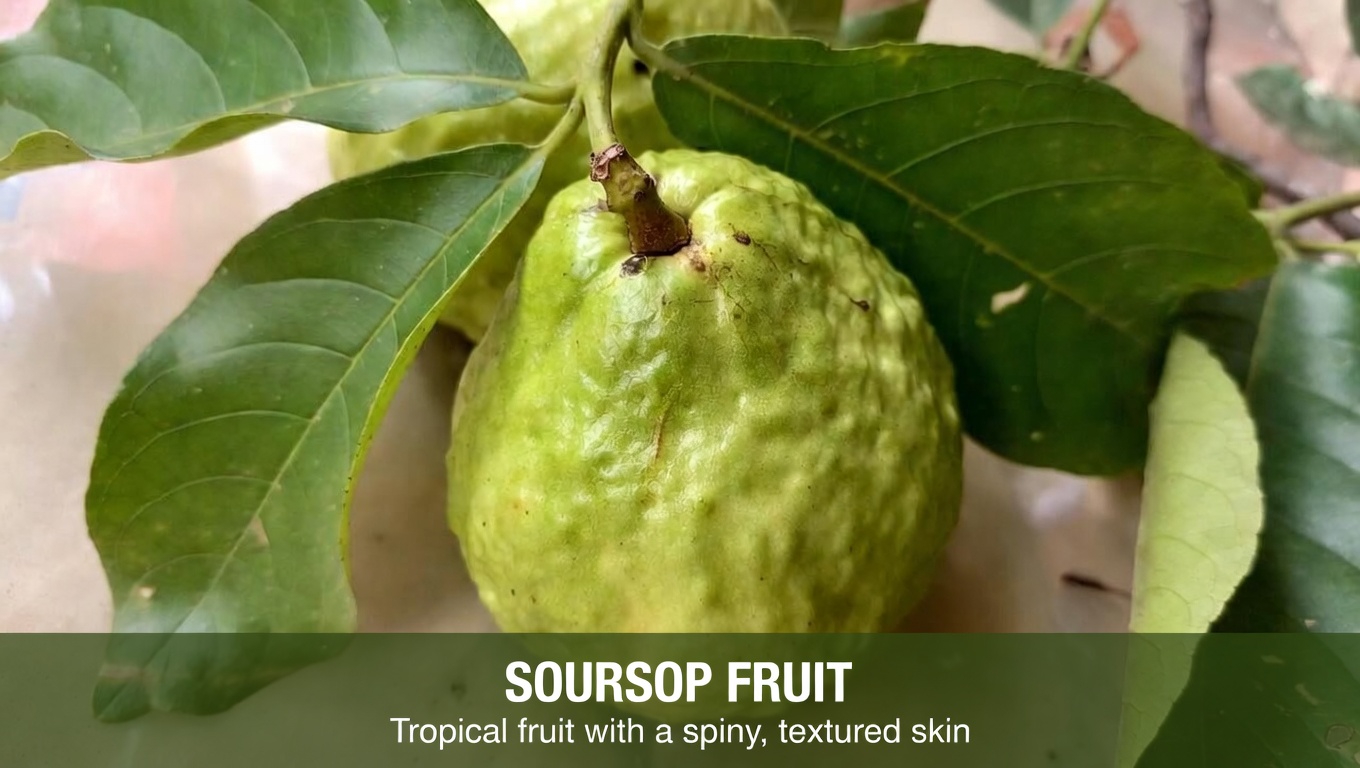
Tips to Get the Most From Guava in Daily Life
To use guava safely and effectively, keep these simple tips in mind:
- Choose organic guava when possible, or wash it thoroughly before eating
- If you are new to guava leaf tea, begin with a small amount and observe how your body responds
- Support your eyes with other healthy habits, such as:
- taking regular screen breaks
- staying hydrated
- wearing UV-protective sunglasses outdoors
- Store fresh guava in the refrigerator to keep it fresh longer
Small daily habits often feel more sustainable than drastic changes, and guava can be an easy addition to that approach.
Final Thoughts: Let Guava Support Your Eye Wellness Naturally
Guava is a convenient, nutrient-rich fruit that can fit easily into a lifestyle focused on natural eye support. Whether you enjoy the fresh fruit or try guava leaf tea, these practices combine traditional wisdom with nutritional value in a gentle, accessible way.
The key is to use guava mindfully, pay attention to how your body feels, and pair it with other healthy habits for the best long-term results. While it is not a quick fix, it can be a valuable part of a broader wellness journey.
Frequently Asked Questions
Can I drink guava leaf tea every day?
Many people enjoy guava leaf tea daily in moderate amounts as part of a varied diet. If you are trying it for the first time, start with 1 cup per day and see how you feel. For personal guidance, it is best to speak with a healthcare professional.
Is guava safe for everyone?
For most people, guava fruit is generally well tolerated and commonly eaten. However, if you have allergies, underlying health conditions, or take medication regularly, it is wise to check with a healthcare provider first. The leaves may be more concentrated than the fruit.
How long does it take to notice benefits from adding guava?
Natural wellness habits usually work gradually. You may not notice changes immediately, and results often depend on consistent use over time along with other healthy lifestyle choices. Focus on steady, long-term support rather than expecting instant results.