Frequent Colds? The Secret Might Be 1 Clove of Garlic a Day
Have you ever reached for a clove of garlic during a cold or flu, hoping it would give your body an extra boost? You’re not alone. Garlic has a long reputation as a natural remedy, and it’s easy to see why: dealing with recurring colds, ongoing fatigue, or simply wanting stronger daily immunity can be frustrating. That’s why interest keeps growing in simple, natural habits that may support overall wellness—and garlic is among the most researched options.
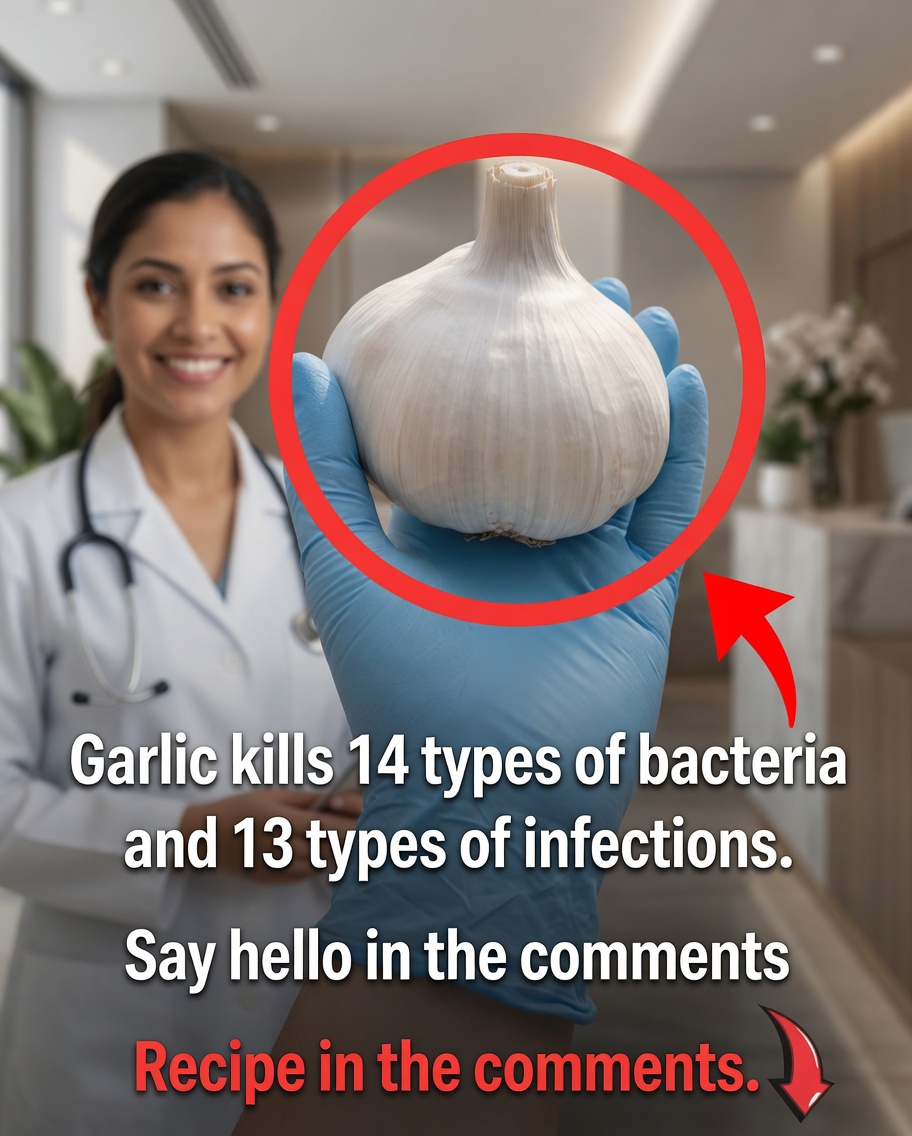
Here’s the lesser-known detail: many of garlic’s most talked-about effects are linked to a compound released only after the clove is crushed or chopped. Below is what science suggests, plus practical and safe ways to use garlic in everyday life.
What Makes Garlic Unique? The Science Behind Its Key Compounds
Garlic (Allium sativum) belongs to the same plant family as onions and leeks. Its standout qualities come largely from sulfur-based compounds that appear when a clove is cut, chopped, or crushed.
The most famous of these is allicin, created when the enzyme alliinase reacts with alliin. Laboratory research indicates that allicin can disrupt microbial processes and shows activity against a range of bacteria. One proposed mechanism is that it reacts with enzymes microorganisms need to function, which can make it harder for them to grow.
Garlic also contains other sulfur compounds—such as diallyl disulfide and ajoene—which can contribute to its effects, particularly in processed or prepared forms of garlic.
What Research Says About Garlic’s Antimicrobial Potential
Multiple lab-based studies have examined garlic’s activity against common bacteria, including:
- Staphylococcus aureus (including some resistant strains)
- Escherichia coli
- Streptococcus mutans
In controlled experiments, garlic extracts have been shown to slow bacterial growth and may even interfere with biofilms—protective structures that help bacteria survive.
That said, an important caveat applies: most strong evidence comes from laboratory studies, while human research is still limited and results are mixed. Some studies suggest that garlic supplementation may reduce how often colds occur, but there is no final scientific consensus.
One key detail: raw garlic tends to be more potent because it preserves active allicin. Heat can reduce allicin levels, although other beneficial compounds may remain.
Easy Ways to Add Garlic to Your Daily Routine
You don’t need a drastic lifestyle change to benefit from garlic. Here are simple, practical options:
- Raw garlic: crush 1–2 cloves, let it sit for 10 minutes, then eat it with food
- In cooking: add garlic near the end of cooking to preserve more compounds
- Garlic with honey or oil: combine chopped raw garlic with honey, or gently warm it in oil
- Supplements: consider aged garlic extract or standardized capsules (ideally with professional guidance)
Quick Comparison of Common Forms
- Raw: strongest potential, very intense flavor
- Cooked: milder taste, less allicin
- Supplements: convenient; often studied more for heart-related benefits
- Powder: effects vary depending on how it was processed
How to Get the Most Benefits—Safely
To use garlic more effectively while minimizing discomfort, keep these tips in mind:
- Choose fresh, firm bulbs without spots or soft areas
- Crush or chop before using (this helps activate allicin formation)
- Start with small amounts, especially if you’re not used to raw garlic
- Pair garlic with a nutrient-rich diet (for example, citrus fruits and vegetables)
- Store garlic in a cool, dry place
Garlic is generally safe for most people, but it can cause digestive irritation for some.
Conclusion: A Natural Ally in Your Kitchen
Garlic remains a remarkable ingredient—backed by centuries of traditional use and growing scientific interest. While it’s not a replacement for medical treatment, it can be a valuable addition to a healthy routine.
How do you usually use garlic in your daily life?