
Stop Treating Dry, Itchy Skin the Wrong Way: It May Signal Blood Sugar Imbalance
An itch that won’t quit. Skin that suddenly feels “off.” Odd patches you brush aside because life is busy. What if those changes aren’t random—and your skin is quietly pointing to something deeper?
For many adults over 40, dryness, irritation, and unusual skin changes get blamed on aging. Yet in many cases, the skin can be an early clue of blood sugar imbalance, including insulin resistance. Catching these warning signs sooner rather than later can protect your long-term health.
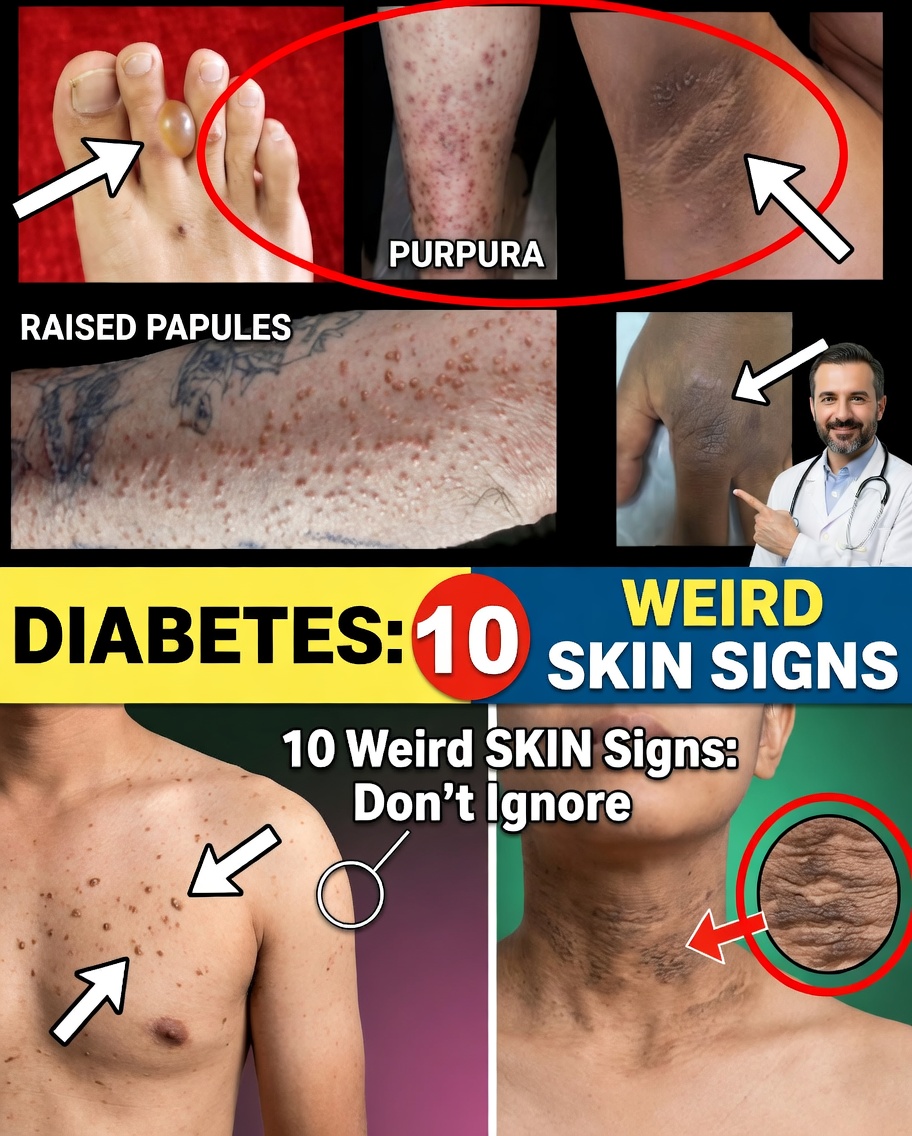
11 Skin Warning Signs You Shouldn’t Ignore
1. Dry, Itchy Skin That Keeps Coming Back
When blood sugar runs high, the body may pull fluid from tissues, which can leave the skin feeling chronically dry and itchy. Persistent dryness is often one of the earliest, most overlooked signs.
2. Cuts and Scratches That Heal Too Slowly
If minor wounds seem to linger for weeks, it may suggest reduced circulation or slower repair—problems commonly associated with elevated blood sugar.
3. Dark, Velvety Patches (Especially Neck or Underarms)
Darkened, thickened areas with a velvety texture can be a classic marker of insulin resistance, a major risk factor for type 2 diabetes.
4. New or Increasing Skin Tags
Small, soft growths—often around the neck, eyelids, or underarms—may appear more frequently when hormones and insulin levels are out of balance.
5. Frequent Skin Infections or Recurring Rashes
Repeated boils, fungal issues, or stubborn rashes can occur because higher sugar levels may create conditions where bacteria and yeast grow more easily.
6. Yellowish Tint in Skin or Nails
A faint yellow tone can reflect shifts in how the body processes fats, which may be connected to metabolic issues seen in diabetes.
7. Brown or Reddish Spots on the Lower Legs
These spots may look like bruises or stains, but they can be linked to damage in small blood vessels—sometimes seen with long-term blood sugar problems.
8. Skin That Feels Thick, Tight, or Waxy
If skin—especially on the fingers—starts to feel unusually tight or waxy, it may be related to glucose-related changes within tissues.
9. Blisters That Appear Without Injury
Blisters on the feet or hands that show up “out of nowhere” can be associated with diabetes-related complications, including nerve involvement.
10. Ongoing Itching in Intimate or Sensitive Areas
Persistent itching in sensitive regions may result from yeast overgrowth, which can be fueled by higher blood sugar.
11. Scaly Patches Resembling Eczema or Psoriasis
Red, flaky, irritated areas may reflect inflammation that can accompany broader metabolic imbalance.
What to Do Next (Without Panic)
Not every skin change means diabetes—but persistent or unusual symptoms deserve attention. Start by becoming more observant and supporting your body with practical habits:
- Hydrate consistently to help skin retain moisture
- Choose a balanced whole-food diet rich in vegetables and fiber
- Use gentle, natural options like aloe vera or coconut oil to soothe dryness
- Keep regular movement in your routine to support circulation
Most importantly, consider a blood sugar check with a healthcare professional. Early testing and awareness can greatly reduce long-term risks.
A Simple 30-Day Skin Awareness Plan
- Day 1: Examine your skin and write down any dryness, itching, patches, or new growths
- Day 7: Review your notes and identify patterns, triggers, or worsening symptoms
- Day 30: If signs persist, schedule a professional evaluation and discuss blood sugar screening
Your Skin Reflects Your Internal Health
Your skin is more than a surface—it often mirrors what’s happening inside your body. Paying attention to subtle signs now could help you prevent serious complications later.
Take a moment today: look closely, notice what’s changed, and take the first step toward better health.