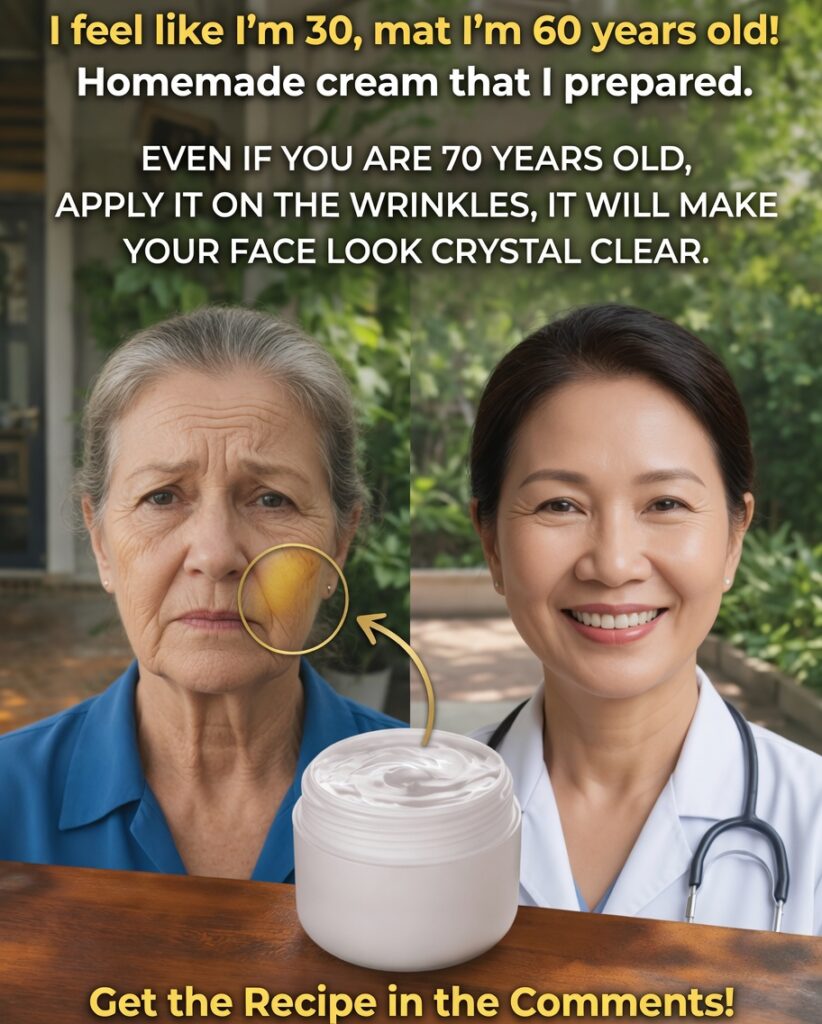
Use Baking Soda for 7 Days and See Smoother, Cleaner, Naturally Refreshed Skin
As the years go by, it’s common to notice fine lines, dark spots, and uneven skin texture. That can feel discouraging—especially when pricey skincare products promise dramatic results but barely make a difference. But what if a simple kitchen staple could support a more refreshed look?
Many people are surprised to learn that baking soda (sodium bicarbonate) has been used in natural skincare routines for its cleansing and exfoliating properties. In this guide, you’ll learn why it’s popular, how to use it more safely, and why moderation matters if you want to avoid irritation.
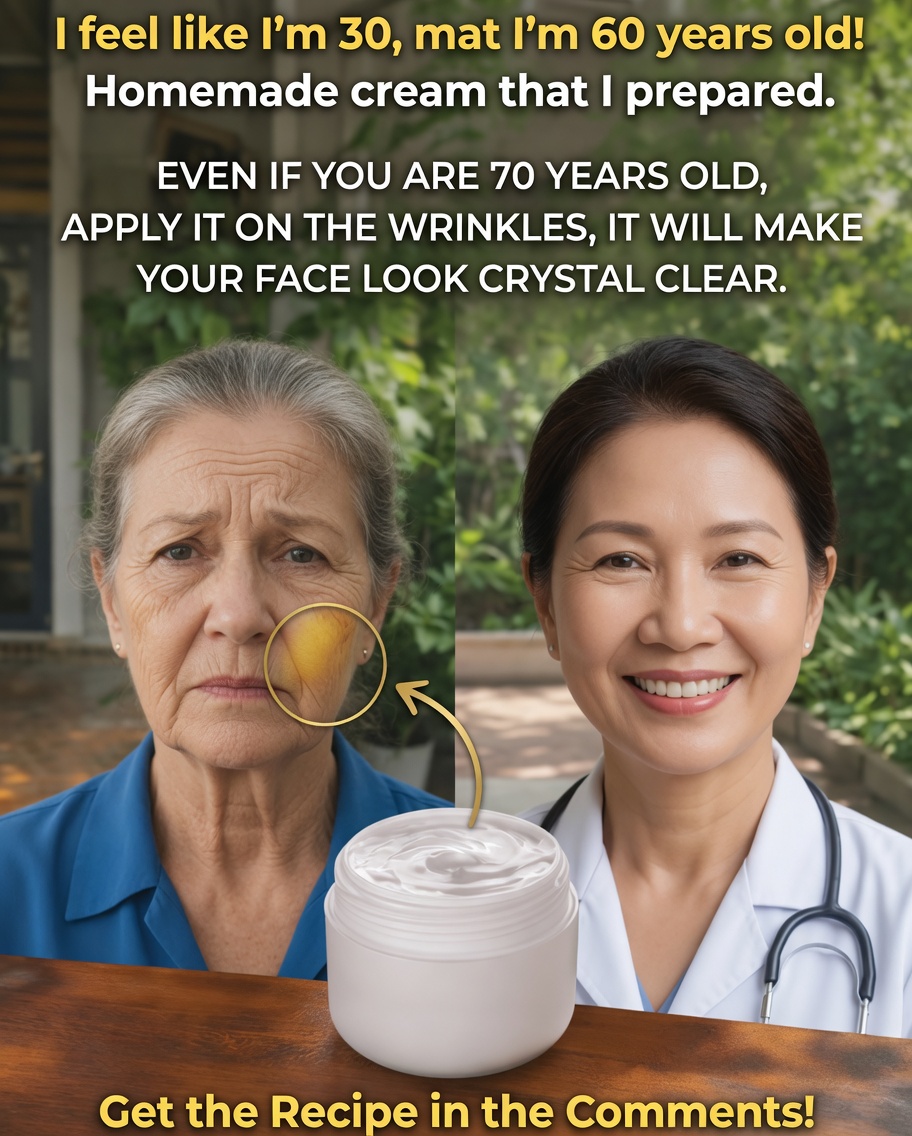
Why Baking Soda Gets Attention in Natural Skincare
Baking soda is a mildly alkaline powder best known for cooking and household cleaning. Because it has a fine, slightly abrasive texture, it’s often used as a DIY facial exfoliant.
When applied gently and occasionally, it may help lift away dead skin cells from the skin’s surface. Many users report that their skin feels temporarily softer, looks brighter, and has a “cleaner” finish afterward.
Another reason it remains popular: it’s inexpensive, easy to find, and can be blended with moisturizing ingredients to create a simple paste that feels more comfortable on the skin.
Potential Benefits (When Used in Moderation)
People typically use baking soda for its light exfoliating action. The most commonly reported benefits include:
- Helping remove dead skin buildup
- A temporarily smoother skin feel
- A more even-looking and radiant appearance
- Low cost and wide availability
- Easy customization with other natural ingredients
Keep in mind: results are temporary and can vary widely based on skin type and sensitivity. Overuse may lead to dryness or irritation, so balance is essential.
How to Make a Simple At-Home Mixture
If you want to try it, start with a mild, basic recipe and pay attention to how your skin reacts.
Ingredients
- 1 teaspoon baking soda
- 1–2 tablespoons coconut oil or olive oil
- 1 teaspoon honey (optional)
Directions
- If the coconut oil is solid, warm it slightly until it softens.
- Stir in the baking soda until you get a creamy paste.
- Add honey if you want extra moisture and comfort.
- On a clean face, apply gently using light circular motions.
- Leave it on for 5–10 minutes (start with less time if you’re new to it).
- Rinse with lukewarm water and pat dry—do not rub.
- Finish with a gentle moisturizer.
Use only 1–2 times per week to help reduce the risk of irritation.
Important Safety Tips Before You Use It
Even though it’s common in the kitchen, baking soda should be handled carefully in skincare:
- Never apply it undiluted directly to the skin
- Avoid the eye area
- Do not use on broken, irritated, or inflamed skin
- If you have sensitive skin, avoid it or patch-test first
- Stop immediately if you feel burning, redness, or stinging
- Always moisturize well afterward
Because baking soda is alkaline, frequent use may disrupt the skin’s natural balance, especially for those prone to dryness or sensitivity.
What Experts Generally Say
Baking soda can work as a surface-level exfoliant, which may explain why some people notice smoother-looking skin right away. However, there is no strong evidence that it produces deep, long-term changes such as significant wrinkle reduction over time.
For lasting skin health, proven habits still matter most, including:
- Daily sun protection
- Consistent hydration
- A balanced, nutrient-rich diet
- A gentle, regular skincare routine
Conclusion
Baking soda can be a simple, budget-friendly addition to a natural skincare routine—as long as you use it sparingly and with care. When treated as an occasional ritual rather than a daily fix, it may help your skin feel cleaner and look more refreshed.
Every skin type is different. Watch how your skin responds and adjust your routine accordingly.
FAQ
-
How often can I use baking soda on my face?
Ideally, 1–2 times per week. -
Is it suitable for all skin types?
Not always. Sensitive or very dry skin types should avoid it or patch-test carefully. -
Can it replace a moisturizer?
No. It should be an occasional complement, not a substitute for moisturizing.
Disclaimer: This content is for informational purposes only and does not replace medical advice. Consult a healthcare professional before trying new ingredients, especially if you have specific skin conditions. Results may vary.