Circulation Issues? Add These Foods to Your Routine and Notice a Real Boost in Energy
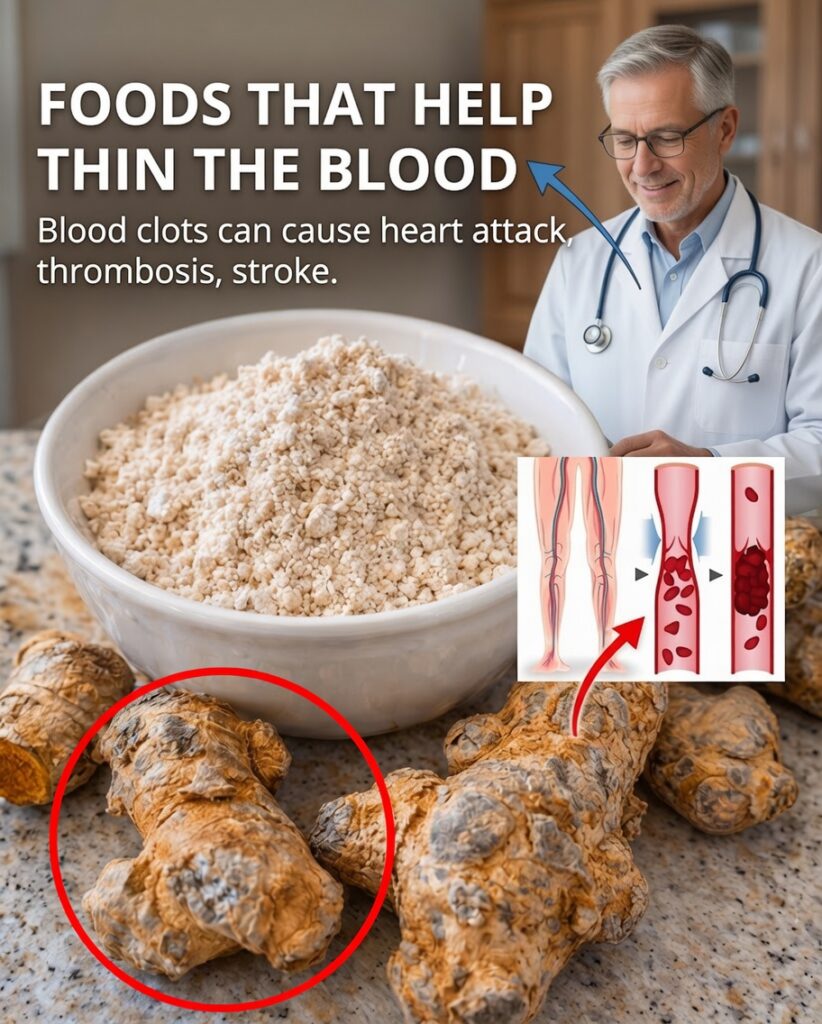
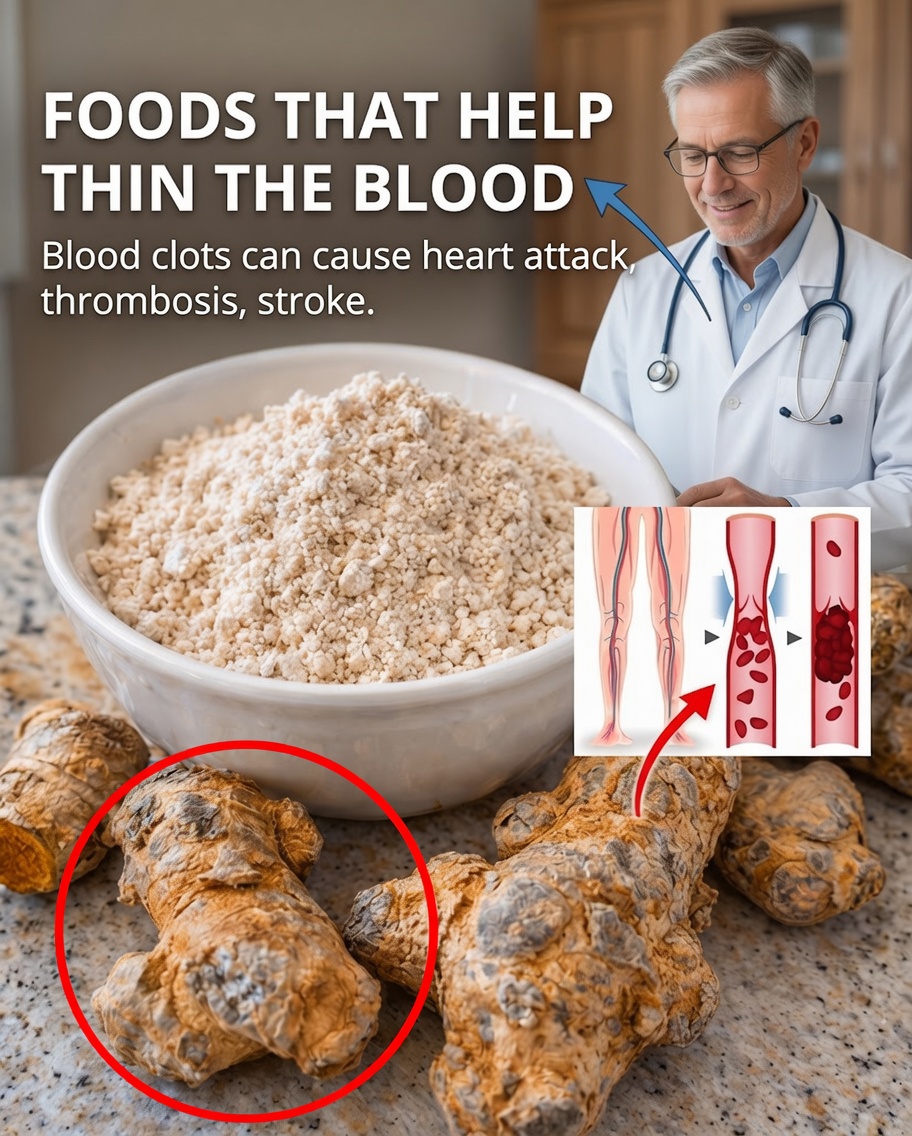
Blood clots can lead to serious health events—such as heart attack, thrombosis, or stroke—because they interfere with normal blood flow and strain the cardiovascular system. It’s no surprise that many people worry about circulation, especially with modern factors like inactivity, chronic stress, and aging.
The encouraging news: several everyday foods contain naturally occurring compounds—such as salicylates, curcumin, and other bioactive nutrients—that may support healthier blood flow when included as part of a balanced diet.
Even better, some of these options are likely already in your kitchen. Using them more intentionally can translate into noticeable day-to-day improvements in how you feel.
Why Healthy Blood Circulation Matters
Strong circulation ensures that oxygen and essential nutrients reach every organ and tissue. When the body is more prone to clot formation, this flow may become restricted—often showing up as fatigue, heaviness, discomfort, and, over time, more serious complications.
Two key contributors are inflammation and platelet aggregation (when platelets clump together). While diet isn’t a replacement for medical care, nutrition can play a supportive role in helping the body maintain balance naturally.
7 Foods That May Support Circulation Naturally
1) Turmeric (Curcuma)
Turmeric is known for curcumin, a compound widely studied for its anti-inflammatory properties and potential influence on clotting-related pathways.
- Easy ways to use it: add to soups, broths, teas, or make a warm “golden milk.”
2) Ginger
Ginger contains natural salicylates, which may help reduce excessive platelet clumping.
- Best uses: ginger tea, smoothies, fresh juice blends, or stir-fries.
3) Garlic
Garlic provides allicin, linked to cardiovascular support and improved circulation in many dietary traditions.
- Tip: consume raw or lightly cooked to preserve more active compounds.
4) Cayenne Pepper
Cayenne is a source of capsaicin and salicylate-like compounds, which may encourage blood vessel relaxation and improved flow.
- How to use: a small pinch in soups, stews, or warm savory dishes (moderation matters).
5) Cinnamon
Certain types—especially cassia cinnamon—contain coumarin, a compound associated with a mild blood-thinning effect.
- Simple additions: oatmeal, coffee, yogurt, or fruit bowls (keep portions small).
6) Fatty Fish (Omega-3 Rich)
Salmon, sardines, and mackerel are rich in omega-3 fatty acids, which are strongly associated with cardiovascular benefits and reduced platelet aggregation.
- Practical target: 2–3 servings per week.
7) Red Berries
Blueberries, strawberries, and cranberries provide antioxidants and flavonoids that help protect blood vessels from oxidative stress.
- Easy habit: enjoy as a snack, in yogurt, or blended into smoothies.
Simple Daily Tips to Make These Foods a Habit
- Start your morning with ginger + turmeric tea
- Add garlic to your main meals (salads, sauces, cooked dishes)
- Choose berries for snacks or breakfast toppers
- Use small amounts of cinnamon regularly
- Eat fatty fish a few times each week
- Support circulation further by hydrating well and staying physically active
What Research Suggests
Studies indicate that compounds found in these foods can positively influence circulation and overall cardiovascular health. Omega-3s have particularly strong scientific support, while spices such as ginger and turmeric are frequently researched for their anti-inflammatory effects and their potential role in maintaining healthy blood flow.
Final Thoughts
Supporting circulation doesn’t have to be complicated. Over time, small dietary upgrades can add up to meaningful benefits. Adding these foods to your routine is a simple, natural step toward better daily well-being and cardiovascular support.
Frequently Asked Questions
Do these foods replace medication?
No. These foods are supportive, not a substitute for treatment. Always talk to a healthcare professional before making changes, especially if you have a medical condition.
What is the ideal amount?
Balance is key:
- Spices in small daily quantities
- Fish a few times per week
- Fruits (including berries) regularly
Are there any risks?
Yes—particularly with high intake or if you take blood thinners/anticoagulants. Consult a qualified professional to avoid interactions or side effects.
Disclaimer: This content is for informational purposes only and does not replace medical advice. For any health concerns, seek guidance from a qualified healthcare provider.