An Ancient Secret for Liver Support and Whole-Body Wellness—Start with Just 1 Seed a Day
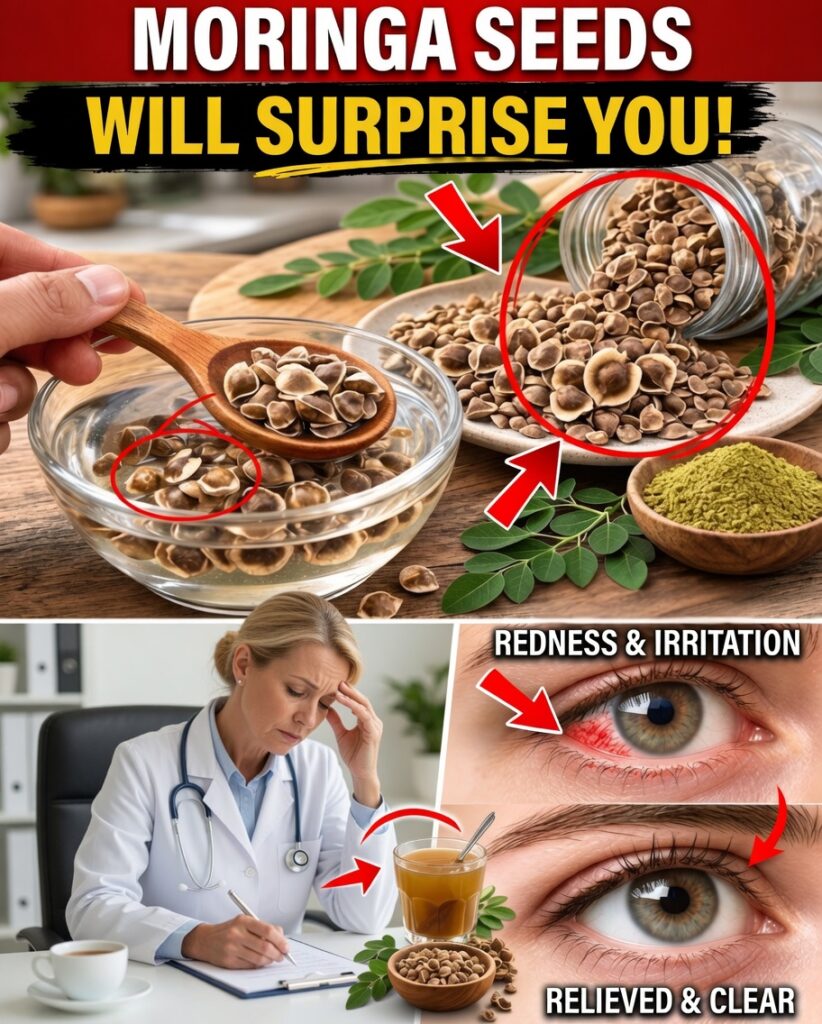
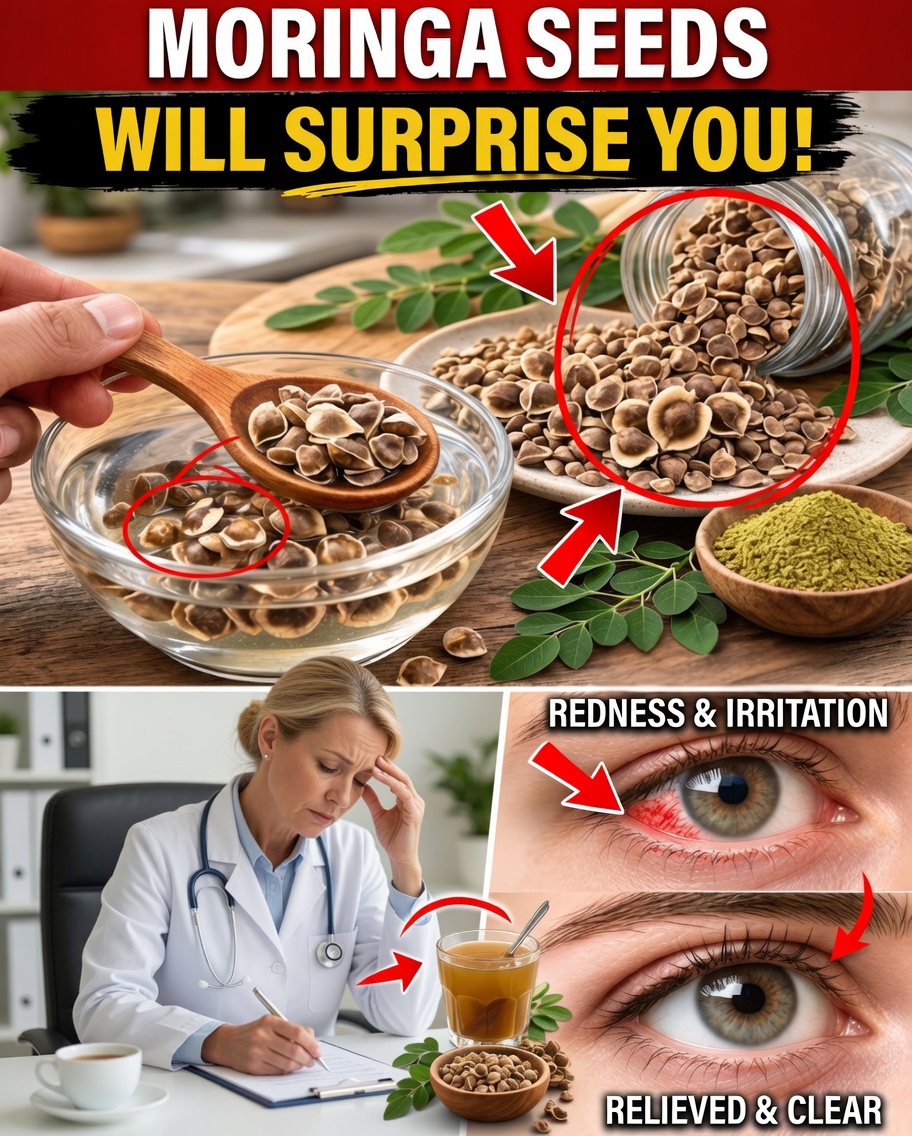
Moringa oleifera, native to parts of India and Africa, has been used for centuries in traditional wellness practices. While the leaves are better known worldwide, moringa seeds have gained special attention thanks to their dense nutritional profile. They’re naturally rich in healthy fats—especially monounsaturated fatty acids like oleic acid—along with protein and a variety of bioactive plant compounds. Scientific papers and reviews suggest these components may support overall well-being.
Compared with the leaves, moringa seeds stand out for their unique composition: they contain roughly 30–40% oil, featuring beneficial fatty acids, plus notable levels of protein and key phytochemicals. Early lab and animal research points to promising roles in areas like inflammatory balance and nutrient utilization, though more human studies are still needed to confirm specific effects.
12 Potential Benefits of Moringa Seeds
Based on preliminary research, moringa seeds may offer potential support in the following areas:
-
A source of healthy fats
Moringa seed oil is reported to contain over 70% oleic acid, comparable to olive oil, which may help support cardiovascular health. -
High in protein
Even after oil extraction, the remaining seed material can provide approximately 19–30% protein, including essential amino acids. -
Antioxidant activity
Natural compounds such as flavonoids and tocopherols may help the body counter oxidative stress. -
Anti-inflammatory potential
Early studies suggest moringa seed components may help modulate inflammatory pathways. -
Support for blood sugar balance
Initial findings indicate modest potential for assisting with glucose regulation. -
Cholesterol support
The oil’s fatty-acid profile may contribute to maintaining healthy cholesterol levels. -
Antimicrobial activity (lab evidence)
In laboratory settings, certain extracts have shown activity against some bacteria and fungi. -
Liver protection (animal evidence)
Animal studies suggest moringa seeds may have hepatoprotective properties that support liver health. -
Skin and hair nourishment
Moringa oil is widely used in natural care routines for moisturizing and conditioning. -
Water clarification (traditional use)
Traditionally, crushed moringa seeds have been used to help clarify water. -
Immune system support
Their mix of antioxidants and essential nutrients may contribute to immune resilience. -
Energy and vitality
The combination of healthy fats, protein, and minerals may help promote steady energy.
How to Use Moringa Seeds in Daily Life
If you’d like to try moringa seeds, keep it simple and cautious:
- Choose high-quality seeds, ideally organic.
- Remove the outer shell if needed.
- Start with 1–2 seeds per day, chewing thoroughly.
- Alternatively, grind into a powder and add to smoothies or tea (begin with ½ teaspoon).
Practical ways to include them
- Stir into yogurt or oatmeal in the morning
- Sprinkle into salads
- Use moringa oil for cooking or as part of a skin-care routine
Dosage tip
Begin with small amounts—about 1–3 seeds daily—and increase gradually while paying attention to how your body responds.
Moringa Seeds vs. Moringa Leaves: What’s the Difference?
- Seeds: higher in healthy fats and protein
- Leaves: richer in vitamins (A, C), plus iron and calcium
They can complement each other and fit well into a balanced wellness routine.
Final Thoughts
Moringa seeds bring together traditional use and modern nutritional interest. Their potential antioxidant support, nutrient density, and role in everyday vitality make them a compelling addition to a wellness-focused lifestyle. Used mindfully and in moderation, they may become a simple, natural option worth exploring.
Frequently Asked Questions
How many moringa seeds should I eat per day?
Start with 1–2 seeds daily or up to 1 teaspoon of powder.
Are moringa seeds safe for everyone?
In typical food amounts, they are generally considered safe. However, pregnant individuals, people with medical conditions, or anyone taking medication should consult a healthcare professional first.
What’s the difference between whole seeds and powder?
Seeds can be eaten whole or crushed. Powder is often easier to mix into drinks and foods.
Important Notice
This article is for informational purposes only and does not replace medical advice. Speak with a qualified healthcare professional before starting any supplement or making major dietary changes.