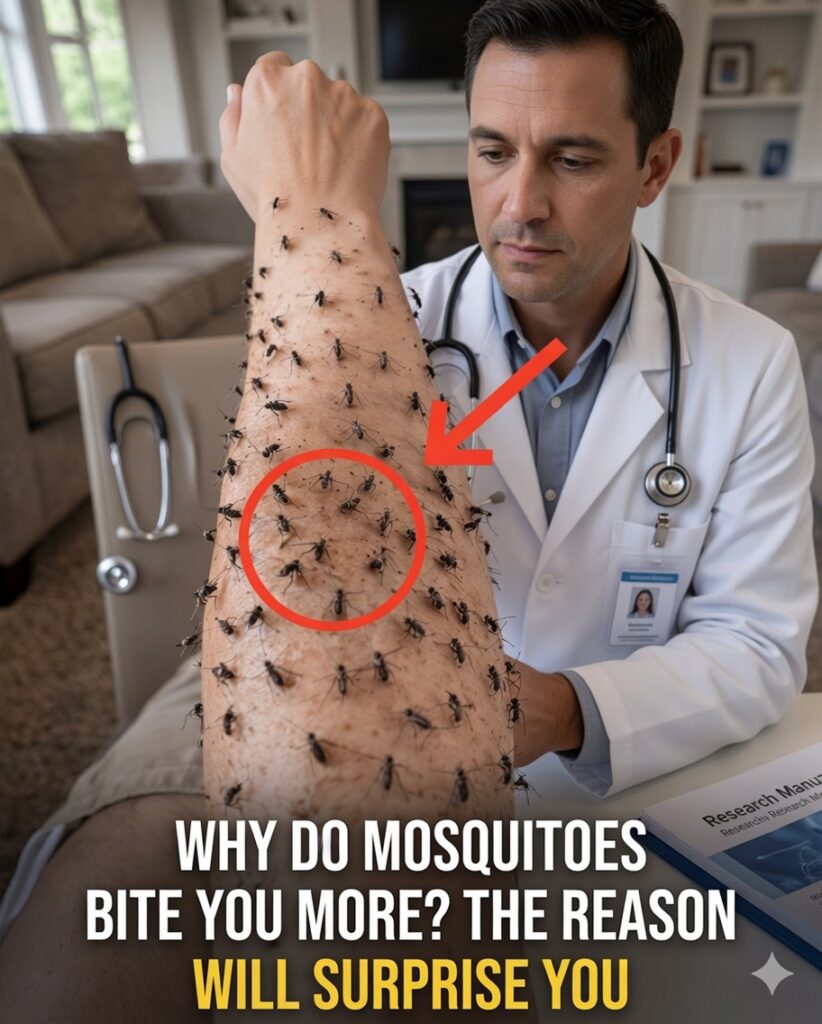
Did You Know? Your Body Might Be “Inviting” Mosquitoes — Here’s How to Protect Your Skin Naturally
It’s a perfect summer evening: you’re outside, relaxing with friends… and suddenly you’re the only one constantly swatting mosquitoes while everyone else seems fine. Waking up covered in bites, losing fun moments, or lying awake because the itching won’t stop isn’t always “bad luck.” In many cases, your body is releasing invisible cues that mosquitoes find hard to resist.
The good news: science has uncovered the main reasons this happens. Once you understand what attracts mosquitoes, you can make a few smart changes and dramatically reduce bites—often faster than you’d expect.
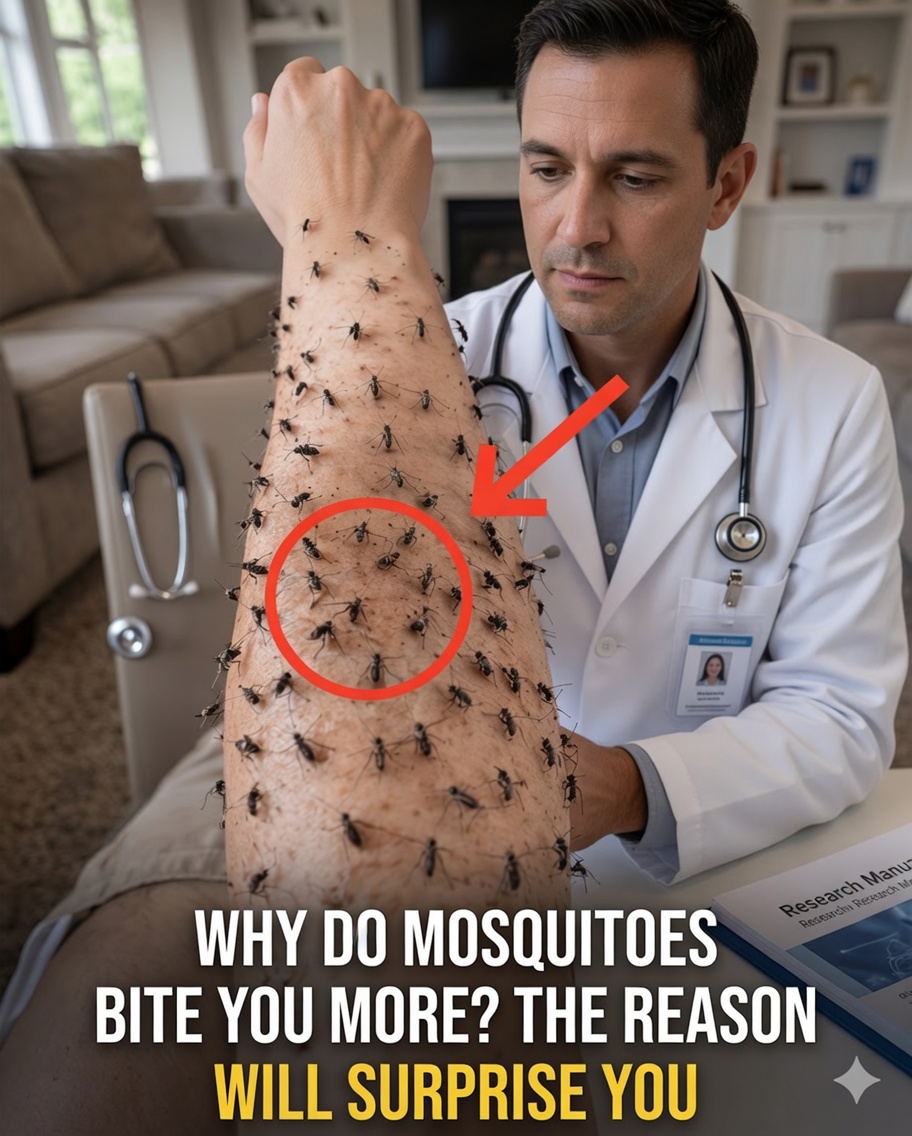
Why Mosquitoes Prefer Some People
Mosquitoes don’t pick victims at random. Only female mosquitoes bite, and they’re surprisingly selective. They rely on a mix of chemical signals, heat, and visual cues that your body naturally gives off—and those signals vary from person to person. Research suggests roughly 20% of people are naturally more attractive to mosquitoes.
Carbon Dioxide (CO₂): The Invisible Beacon
Every time you exhale, you release carbon dioxide, and mosquitoes can detect it from up to about 50 meters (160 feet) away. People who exhale more CO₂—such as pregnant individuals, larger-bodied people, or anyone right after exercise—often attract more mosquitoes.
That’s why getting bitten more after a walk, workout, or outdoor activity isn’t your imagination: your breathing and metabolism are literally making you easier to find.
Skin Chemistry and Sweat: A Scent Mosquitoes Love
Once mosquitoes get closer, your skin chemistry helps them decide where to land. Sweat contains compounds such as lactic acid, ammonia, and uric acid, which can be highly appealing to mosquitoes.
One important detail: not all sweat smells the same to mosquitoes. The exact chemical mix—and even the bacteria living on your skin (your microbiome)—can increase or decrease how attractive you are. In other words, your skin’s natural “signature scent” plays a major role.
Body Heat: Warmth Signals a Blood Meal
Mosquitoes are drawn to heat, because it indicates a warm-blooded host. After physical activity or on hot days, your body temperature rises, making you easier for mosquitoes to detect and target.
Genetics: The Hidden Advantage (or Disadvantage)
Genetics may explain up to 85% of your mosquito “appeal.” This can include your natural body odor, skin characteristics, and even how your microbiome tends to develop. Some people are simply born more likely to get bitten.
Diet and Lifestyle Factors
What you consume can also influence mosquito attraction. **Alcohol—especially beer—**has been linked to increased bites, likely due to changes in metabolism and how your body releases odors through sweat. Diet is not usually the biggest factor, but small adjustments can still help.
Clothing Color: A Surprisingly Important Detail
Mosquitoes also use their vision. They tend to target darker colors like black, navy, and red, which stand out more. Wearing light shades such as white, beige, or light pastels can make you less visually noticeable.
How to Stop Being a Mosquito Magnet
Here are practical, science-backed ways to reduce bites with simple daily habits:
- Shower after sweating or exercising to wash away attractive compounds on the skin
- Choose light-colored, breathable clothing
- Use natural or approved repellents, such as oil of lemon eucalyptus
- Turn on a fan—mosquitoes struggle to fly in moving air
- Remove standing water around your home (a key breeding source)
- Avoid strong perfumes and heavily scented products
- Stay well hydrated and reduce alcohol intake, especially beer
Small changes can make a noticeable difference within days.
Final Thoughts
Mosquitoes don’t have a personal preference—they follow biology. CO₂, sweat chemistry, body heat, genetics, lifestyle choices, and even clothing color all shape who gets bitten most.
If you’ve always felt like the “favorite target,” you now know what’s behind it—and how to tip the odds in your favor for calmer evenings, better sleep, and far less itching.
Frequently Asked Questions
Does blood type matter?
Some studies suggest people with Type O blood may get bitten more often, but blood type is only one piece of a much bigger puzzle.
Can changing your diet help?
It may help slightly—especially by reducing alcohol—but it’s rarely the main driver compared to CO₂, skin chemistry, and heat.
What’s the best natural protection strategy?
The most effective natural approach is a combination of light clothing, good hygiene, airflow (fans), and natural repellents.
Disclaimer: This content is for informational purposes only and does not replace medical advice. Seek professional care if you experience severe reactions or have specific health concerns.