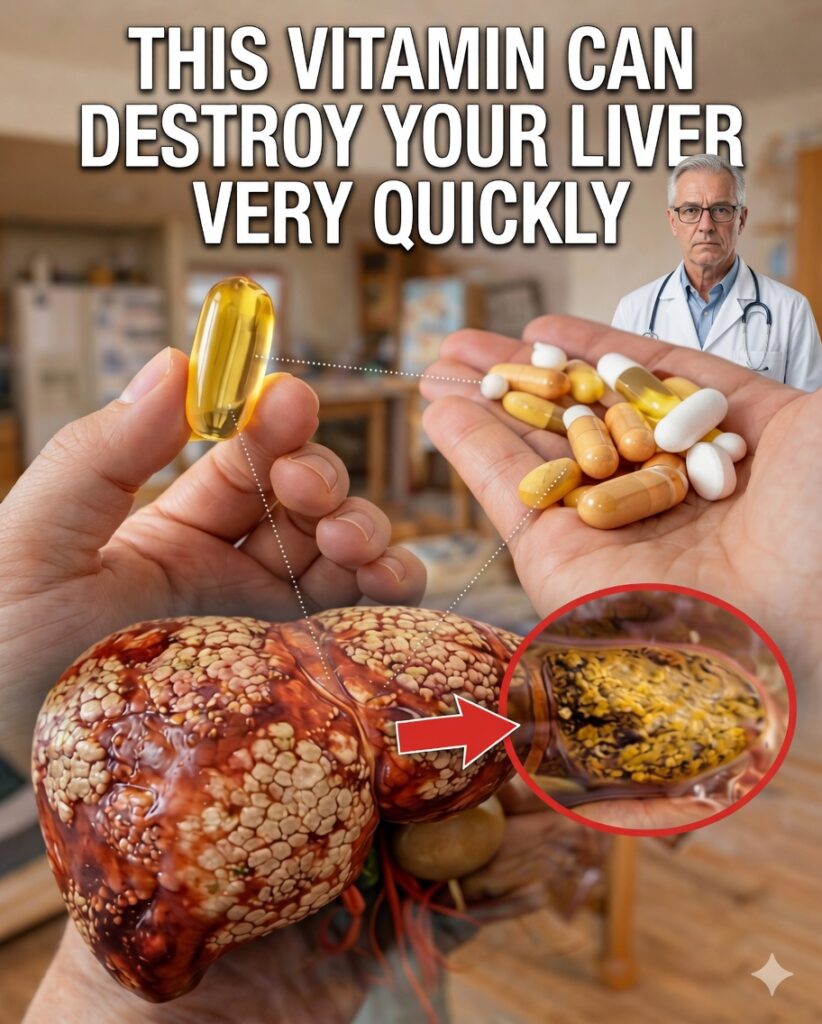
Want Better Health Without Straining Your Liver? Learn How to Use Vitamins Safely and Naturally
Many people turn to vitamins and dietary supplements hoping to feel healthier, stronger, and more energized. Then a quiet worry shows up: Could this be putting extra stress on my liver or kidneys? That concern can turn something helpful into a source of anxiety.
The reassuring news is that most vitamins and supplements are safe when used responsibly. With a few practical habits, you can protect your body while still getting real benefits. Keep reading—there’s a simple tip at the end that’s often overlooked and can make a meaningful difference.
Why Vitamins and Supplements Can Affect the Liver and Kidneys
Your liver and kidneys work nonstop to process what enters your body. The liver plays a major role in detoxification and metabolism, while the kidneys help filter waste and remove it through urine.
Problems can arise when you take too much of certain nutrients or concentrated extracts. Research suggests that both fat-soluble and water-soluble vitamins may cause issues when overused, but the risk depends on factors such as:
- Dosage and how long you take it
- Existing health conditions
- Medication interactions
- Individual genetics and sensitivity
9 Supplements That Deserve Extra Attention
Below are supplements commonly used for wellness that may require more caution—especially at high doses or with long-term use.
1) Vitamin A
Important for vision and immune function, but excess vitamin A can build up in the liver and lead to toxicity. In general, food sources (like carrots and other colorful vegetables) are considered safer than high-dose supplementation.
2) Vitamin C
Often taken for immunity, but very high doses (over 2,000 mg/day) may increase the risk of kidney stones in people who are prone to them.
3) Vitamin D
Too much vitamin D can raise calcium levels in the blood, which may gradually stress the kidneys over time.
4) Niacin (Vitamin B3)
At high doses, niacin can affect liver enzyme levels, particularly with long-term use.
5) Green Tea Extract
Drinking green tea is generally safe, but concentrated green tea extract has been linked (rarely) to liver injury in susceptible individuals.
6) Turmeric / Curcumin
Popular for its anti-inflammatory potential. However, high doses may trigger liver-related issues in some people.
7) Ashwagandha
Often used for stress support, yet there are reports of liver changes with prolonged use in certain cases.
8) Kava
Kava has been associated with serious liver toxicity and is best avoided, especially without medical supervision.
9) St. John’s Wort
This herb may alter how the body processes medications and can indirectly increase liver workload by affecting drug metabolism.
Warning Signs Your Liver or Kidneys May Be Under Stress
Pay attention to symptoms that could indicate liver or kidney strain, such as:
- Unusual or persistent fatigue
- Dark urine or noticeable changes in urination
- Swelling in the legs or abdomen
- Yellowing of the skin or eyes
- Ongoing nausea
If you notice these signs, stop the supplement and seek professional guidance.
Practical Tips for Safer Supplement Use
Use these strategies to reduce risk while supporting your health goals:
- Talk to a healthcare professional before starting any supplement
- Get lab tests when appropriate to determine the right dose
- Avoid “megadoses” unless medically indicated
- Choose reputable, independently tested brands
- Focus on getting nutrients from a balanced diet first
- Drink enough water daily
- Take breaks from long-term use of herbal/natural supplements
Fat-Soluble vs. Water-Soluble Vitamins: What’s the Difference?
Understanding the category helps explain why some vitamins carry higher risk at high intake.
- Fat-soluble vitamins (A, D, E, K): stored in the body → greater toxicity risk when taken excessively
- Water-soluble vitamins (B-complex, C): excreted in urine → excessive intake can burden the kidneys, especially in large doses
How to Choose Supplements Wisely
Not all supplements are created equal. Prioritize products with quality standards and avoid marketing that promises dramatic, unrealistic results. For many people, a nutrient-rich diet already covers most needs, and supplements should fill specific gaps—not replace healthy eating.
Conclusion: Support Your Health Without Overloading Your Body
Vitamins and supplements can be powerful tools when used with intention. The safest approach combines accurate information, moderation, and attention to your body’s signals.
Final tip (often ignored):
Pair supplements with good hydration and a fiber-rich diet. This supports normal liver and kidney function by helping your body process and eliminate substances more efficiently—reducing risk while improving results.
Frequently Asked Questions
What should I do if I think a supplement is causing problems?
Stop taking it immediately and consult a healthcare professional.
Are natural supplements always safe?
No. Natural does not mean risk-free, especially with concentrated extracts or long-term use.
Can I get all nutrients from food alone?
In many cases, yes. A balanced diet is often sufficient, though some people may need targeted supplementation based on labs and medical advice.
This article is for informational purposes only and does not replace professional medical guidance.