Pumpkin Seeds: A Simple Superfood for Blood Sugar, Cholesterol, Iron, and Heart Health
Many people struggle with everyday health concerns such as keeping blood sugar stable, managing cholesterol levels, maintaining healthy energy with enough iron, and supporting overall cardiovascular well-being. These issues are often linked to modern eating habits that fall short on important nutrients, which can contribute to tiredness, occasional discomfort, and concerns about long-term heart health. The encouraging part is that small, natural dietary changes can offer meaningful support without making your routine complicated.
What if one of the most useful nutrition boosters was already sitting in your kitchen? Pumpkin seeds, also called pepitas, are getting more attention for their impressive nutrient content and broad wellness benefits. Let’s take a closer look at why these tiny seeds deserve a place in your daily diet—and how to use them in a simple, practical way.
Why Pumpkin Seeds Are Packed With Nutrition
Pumpkin seeds may be small, but they deliver a strong mix of essential nutrients. Just 1 ounce, or about a handful, provides a notable amount of minerals, healthy fats, and beneficial plant compounds.
They are especially rich in magnesium, a mineral involved in many important processes, including muscle function, relaxation, and energy production. Pumpkin seeds also supply zinc for immune health, iron for oxygen transport, and unsaturated fats that support overall wellness.
Research suggests these nutrients can play a valuable role in everyday health. For example, magnesium-rich foods like pumpkin seeds may help support normal blood pressure, while their fiber content helps with digestion and promotes fullness.
Another advantage is their antioxidant profile. Pumpkin seeds contain compounds such as vitamin E and phenolic antioxidants, which help the body handle daily oxidative stress.
How Pumpkin Seeds May Help Support Healthy Blood Sugar
Steady blood sugar levels are important for consistent energy and fewer dramatic highs and lows. Pumpkin seeds contain several natural components that may contribute to better glucose balance.
Research has shown that eating around 2 ounces of pumpkin seeds alongside a high-carbohydrate meal may reduce the rise in blood sugar after eating in healthy adults. One reason is their fiber, which slows digestion and helps carbohydrates enter the bloodstream more gradually.
Magnesium is another key factor. Nutritional reviews suggest that magnesium supports insulin activity and glucose metabolism, making pumpkin seeds a smart addition to meals for people who want better daily balance.
Why they may help with blood sugar support
- Fiber can slow digestion and reduce rapid sugar absorption
- Magnesium supports healthy metabolic function
- Pumpkin seeds themselves have a low glycemic impact
Including them regularly in meals or snacks may be a simple way to encourage more stable energy throughout the day.
Pumpkin Seeds and Cholesterol: What the Research Suggests
Cholesterol balance is an important part of heart health, and pumpkin seeds may offer support here as well. One reason is their content of phytosterols, which are plant compounds that resemble cholesterol in structure. These compounds may compete with cholesterol for absorption in the digestive system.
Some human and animal studies suggest that pumpkin seed oil or pumpkin seed extracts may help improve lipid patterns, including supporting higher HDL cholesterol and reducing less favorable cholesterol markers.
Their healthy unsaturated fats, including omega-3 forms, may also contribute to these effects. Regularly eating foods like pumpkin seeds fits well with heart-conscious dietary patterns often recommended by organizations such as the American Heart Association.
Key compounds linked to cholesterol support
- Phytosterols may reduce cholesterol absorption
- Unsaturated fats may support a healthier lipid profile
- Antioxidants may help lower oxidative stress related to heart health
Pumpkin Seeds as a Natural Source of Iron
If low energy is a concern, iron intake is worth paying attention to. Iron deficiency remains one of the most common nutrient issues worldwide and can affect oxygen delivery, stamina, and daily vitality. Pumpkin seeds offer a useful plant-based source of non-heme iron.
A 100-gram serving contains roughly 8 to 9 mg of iron, making pumpkin seeds a helpful food for meeting daily needs. This can be especially beneficial for vegetarians, people who eat less meat, or anyone looking to diversify their nutrient sources.
To improve absorption, pair pumpkin seeds with foods rich in vitamin C, such as citrus fruits, strawberries, bell peppers, or tomatoes. The zinc and other minerals found in the seeds also contribute to overall nutritional support for healthy blood function.
Nutritional reviews point to pumpkin seeds as a practical food option for naturally supporting iron intake.
Heart and Artery Support Beyond Cholesterol
Pumpkin seeds may benefit the cardiovascular system in more ways than one. Their high magnesium content can help support the relaxation of blood vessels, which may play a role in healthy blood pressure management.
Antioxidants in pumpkin seeds may also help improve nitric oxide availability, which supports blood vessel flexibility and smooth circulation. Research has linked these effects to lower inflammation and improved arterial comfort.
Because they also contain fiber, healthy fats, and important minerals, pumpkin seeds fit naturally into heart-friendly eating patterns based on whole, nutrient-dense foods.
For anyone focused on long-term circulatory wellness, they are an easy and worthwhile addition to the diet.
Easy Ways to Eat Pumpkin Seeds Every Day
If you want to add pumpkin seeds to your routine, the easiest approach is to start small and stay consistent.
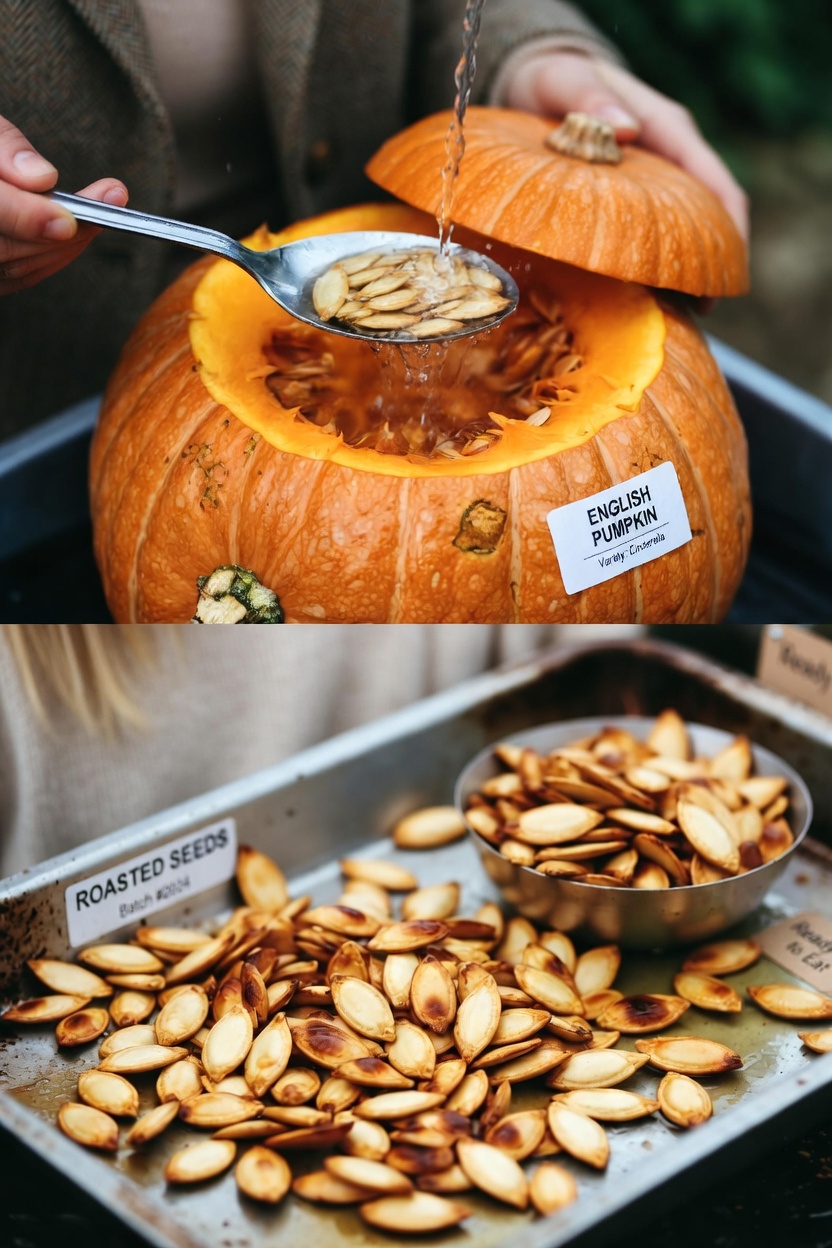
Simple roasted pumpkin seeds
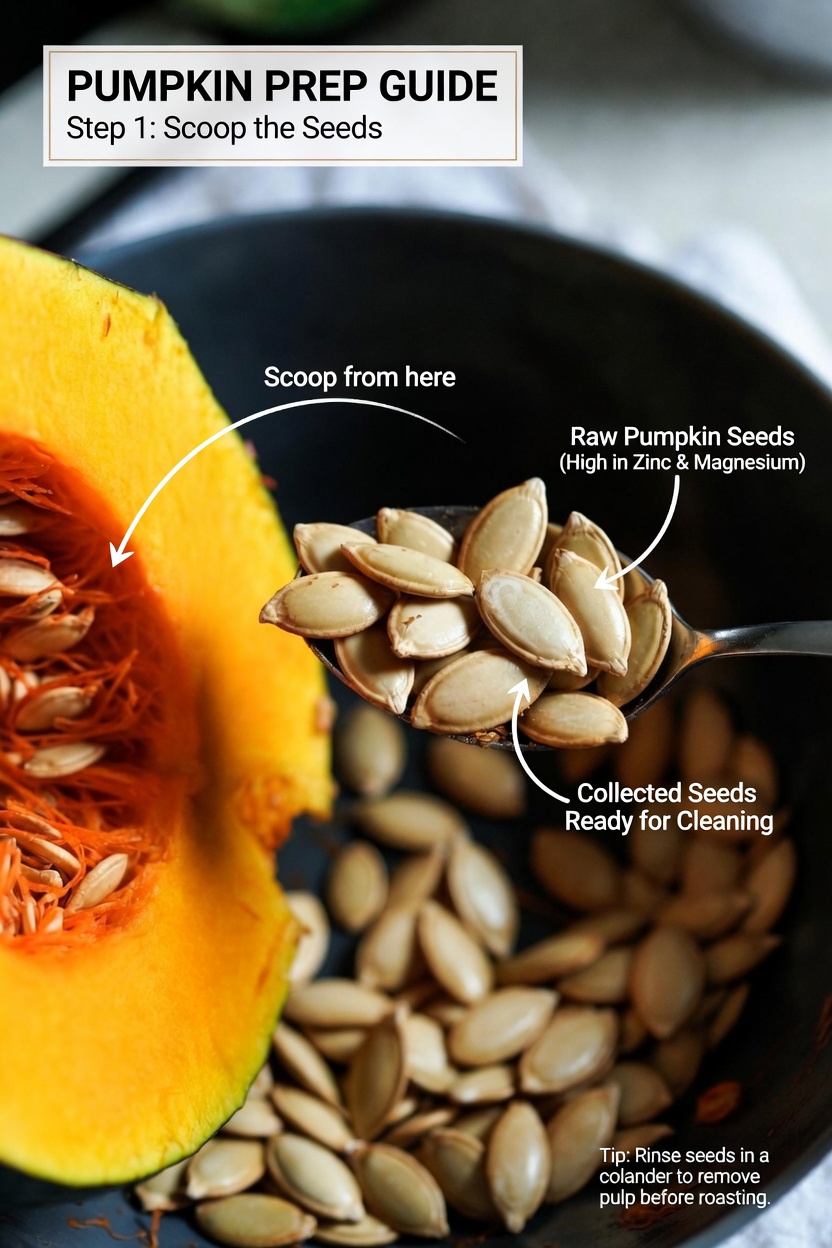
- Remove the seeds from a fresh pumpkin, or buy raw pepitas.
- Rinse them well to remove any pulp.
- Dry them thoroughly with a towel.
- Toss with a light coating of oil and a little salt if desired.
- Roast at 300°F for 30 to 40 minutes, stirring from time to time.
- Let them cool, then store in an airtight container.
You can sprinkle them over everyday foods or eat them on their own. A daily amount of 1 to 2 ounces is often enough to provide nutritional benefits.
Easy serving ideas
- Add them to salads for crunch
- Stir them into yogurt or oatmeal
- Eat them as a snack
- Blend them into smoothies for a creamier texture
- Mix them with nuts and dried fruit for a homemade trail mix
- Use them to top soups, grain bowls, or stir-fries
Things to Keep in Mind
Pumpkin seeds are generally easy to tolerate, but there are a few points to remember.
- If you are not used to high-fiber foods, begin with a smaller portion to avoid mild digestive discomfort
- Anyone with a seed allergy should avoid them
- Because they are calorie-dense due to their healthy fat content, portion awareness is helpful
Enjoying them in moderate amounts is usually the best approach.
Final Thoughts: Small Seed, Big Benefits
Pumpkin seeds offer an impressive combination of magnesium, zinc, iron, fiber, healthy fats, and antioxidants in a convenient, affordable form. They may help support healthier blood sugar responses, better cholesterol balance, stronger energy through iron intake, and overall heart comfort.
Adding pumpkin seeds to your meals this week could be a simple step toward better nutrition and daily wellness. Often, the smallest habits create the most lasting results.
FAQ
How many pumpkin seeds should I eat per day?
A handful, or about 1 ounce (28 grams), is a practical daily amount that provides useful nutrients without too many extra calories. You can adjust this based on your overall diet and energy needs.
Are raw or roasted pumpkin seeds healthier?
Both are nutritious. Roasted pumpkin seeds have a richer flavor and may offer increased antioxidant activity, while raw pumpkin seeds preserve more heat-sensitive nutrients.
Can pumpkin seeds replace medical treatment or professional advice?
No. Pumpkin seeds can support a healthy diet, but they should not replace medical care. They work best as part of a balanced lifestyle that includes professional guidance when needed.