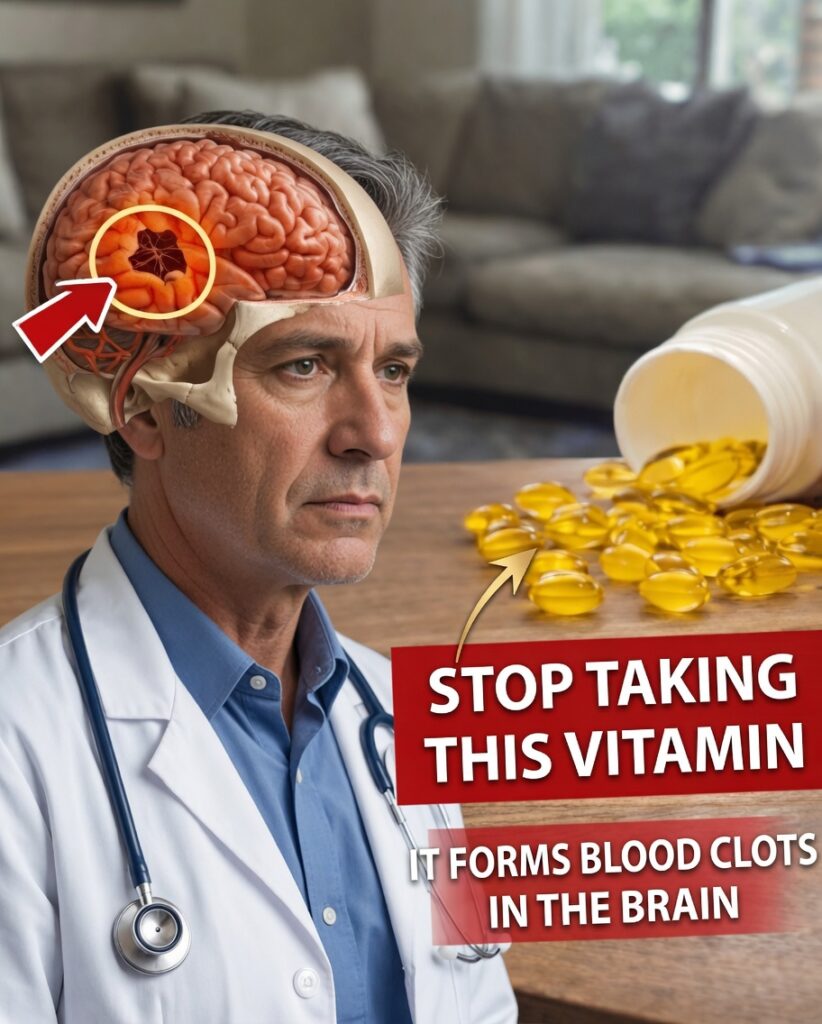
Do You Take Vitamin E Every Day? How It May Protect — or Harm — Your Brain After 60
Many older adults take daily vitamin supplements hoping to support the heart, boost energy, and improve overall quality of life. But what if one of the most popular “healthy” vitamins could interfere with blood clotting in a way that becomes risky?
This question matters even more after age 60, when cardiovascular risk naturally increases. Scientists have been examining how common supplements interact with the aging body, and the findings can be surprising—especially for seniors.
Vitamins are essential, but “more” is not always “better.” Below, we take a closer look at vitamin E supplementation, what research suggests, why it’s particularly relevant for older adults, and how to make safer choices.
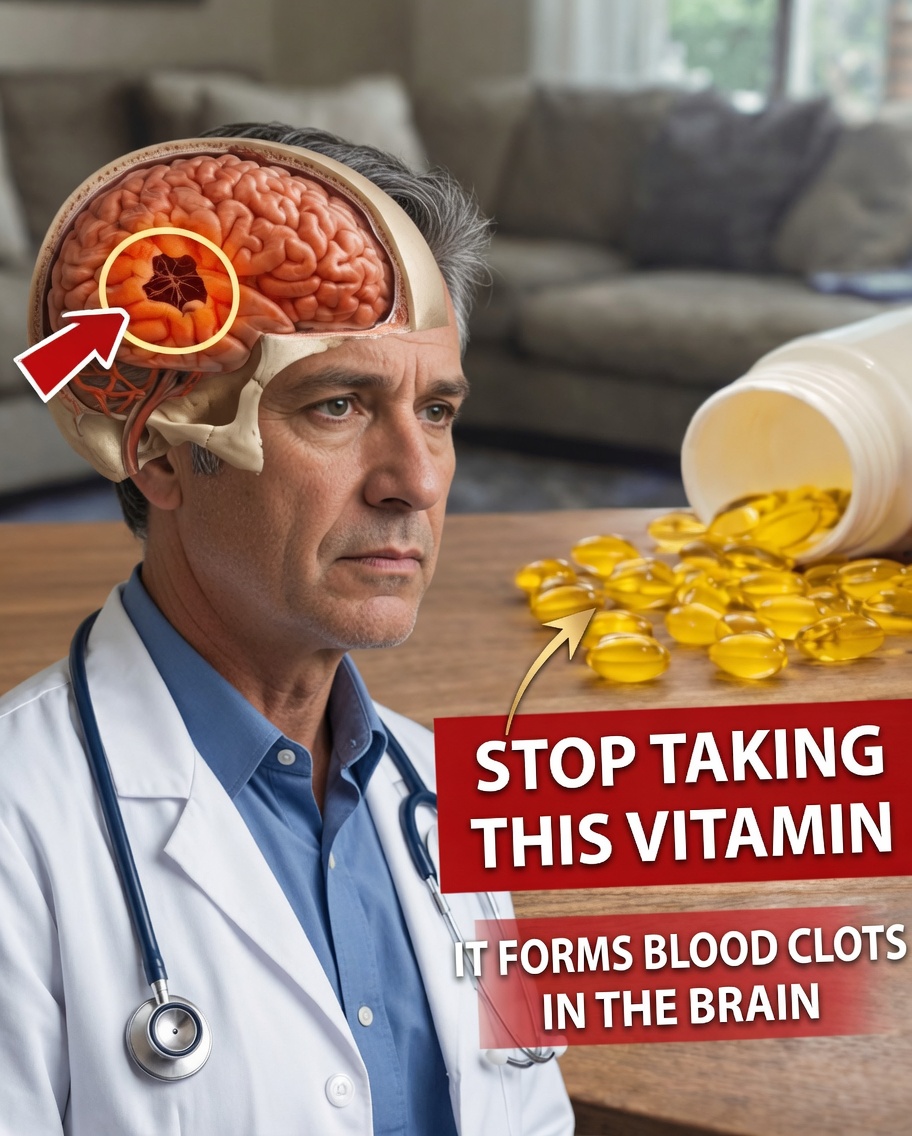
Why Vitamin E Gets So Much Attention
Vitamin E is a fat-soluble antioxidant found in foods such as nuts, seeds, and vegetable oils. It’s widely known for helping protect cells from oxidative stress and supporting immune function. That’s why it frequently appears in multivitamins and supplements marketed for brain health and heart health.
However, large scientific reviews have raised concerns about high-dose vitamin E supplements. Studies involving thousands of participants suggest vitamin E may affect stroke risk differently depending on the type of stroke:
- It may be linked to a slight decrease in ischemic stroke risk (stroke caused by a blockage).
- It may be linked to a higher risk of hemorrhagic stroke (stroke caused by bleeding in the brain).
One major analysis reported about a 22% increase in relative risk of hemorrhagic stroke among people taking vitamin E supplements, even though the overall number of strokes did not change significantly.
A key reason: vitamin E can influence platelet activity and blood coagulation mechanisms. In older adults—especially those with fragile blood vessels or those taking blood-thinning medication—this effect may become more significant.
How Vitamin E Can Affect Blood Clotting and the Brain
Vitamin E can act like a mild “blood thinner” by reducing platelet aggregation, which is one of the first steps the body uses to form clots.
In younger adults, that effect may sound beneficial. But in seniors—particularly people with high blood pressure or more delicate vessels—it may raise the likelihood of bleeding, including intracranial (brain) bleeding.
Research trends suggest:
- Risk is more strongly associated with high doses, often cited as over 400 IU per day.
- Dietary vitamin E from whole foods does not show the same concern.
- Concentrated supplements may disrupt the body’s natural balance more than food sources do.
Other Nutrients That Also Influence Clotting
Vitamin E is not the only nutrient involved in this delicate system. Several others can affect clotting and cardiovascular health:
- Vitamin K: essential for normal clotting; maintaining a consistent, balanced intake matters.
- B vitamins: may help lower homocysteine, which has been associated with stroke risk.
- Omega-3 fatty acids: have a mild anticoagulant effect and are generally considered safe at typical doses.
- Vitamins C and D (in excess): can interact with certain medications, though they’re usually safe when taken appropriately.
A practical approach is to prioritize nutrient-rich foods—like leafy greens, fish, and nuts—rather than relying on high-dose capsules.
Practical Tips for Adults Over 60
If you’re over 60, these steps can help you use vitamin E more safely:
- Review your supplements: check labels for how much vitamin E you’re actually getting (including from multivitamins).
- Talk to your doctor or pharmacist: especially if you take anticoagulants, antiplatelet drugs, or have a cardiovascular history.
- Choose food sources first: great options include almonds, sunflower seeds, spinach, and avocado.
- Avoid high-dose vitamin E: the recommended daily intake is around 15 mg for most adults.
- Support overall cardiovascular health: keep blood pressure controlled, stay active, and schedule regular check-ups.
Conclusion: Information Is Protection
As we age, paying attention to what we put into our bodies becomes even more important. Vitamin E from food is generally safe and beneficial. But high-dose vitamin E supplementation may not be as harmless as it seems—particularly because it can affect clotting and potentially increase the risk of hemorrhagic stroke.
The goal isn’t to fear vitamins; it’s to use them wisely. Focus on a balanced diet, seek professional guidance, and stay informed—your brain and your heart will benefit.
Frequently Asked Questions
Is vitamin E from food dangerous?
No. Natural food sources of vitamin E are considered safe and are generally recommended as part of a healthy diet.
Should I stop taking vitamin E supplements right away?
Not necessarily. Don’t make sudden changes without guidance—consult a qualified healthcare professional first.
How can I protect my brain naturally as I age?
Prioritize a diet rich in vegetables, fruits, and healthy fats, exercise regularly, sleep well, and manage blood pressure and cholesterol.
Disclaimer: This content is for informational purposes only and does not replace medical advice. Always consult a qualified healthcare professional before starting, stopping, or changing any supplement.