Early Menopause Isn’t the End — Learn How to Ease Symptoms Naturally and Get Your Energy Back
Have you ever woken up in the middle of the night drenched in sweat, your heart racing, wondering what is happening to your body? In their early 40s (and sometimes even earlier), many women start noticing unfamiliar changes while still juggling work, family, and daily responsibilities. Suddenly, irregular periods, deep fatigue, and mood swings appear—and what seemed like “stress” may actually be something more.
These signs don’t appear for no reason. Ignoring them can slowly drain your energy, confidence, and even affect your long-term health. The good news is that spotting early symptoms can completely change how you experience this phase. And there’s one simple habit that can make a major difference—keep reading to find it.
Why Early Menopause Can Feel So Intense
Early menopause can happen before age 45—and in some cases, even before 40. When estrogen levels drop, the effects go far beyond the menstrual cycle. Hormonal changes can influence your heart, bone strength, and even mental clarity. This isn’t “all in your head”—it’s a real biological shift.
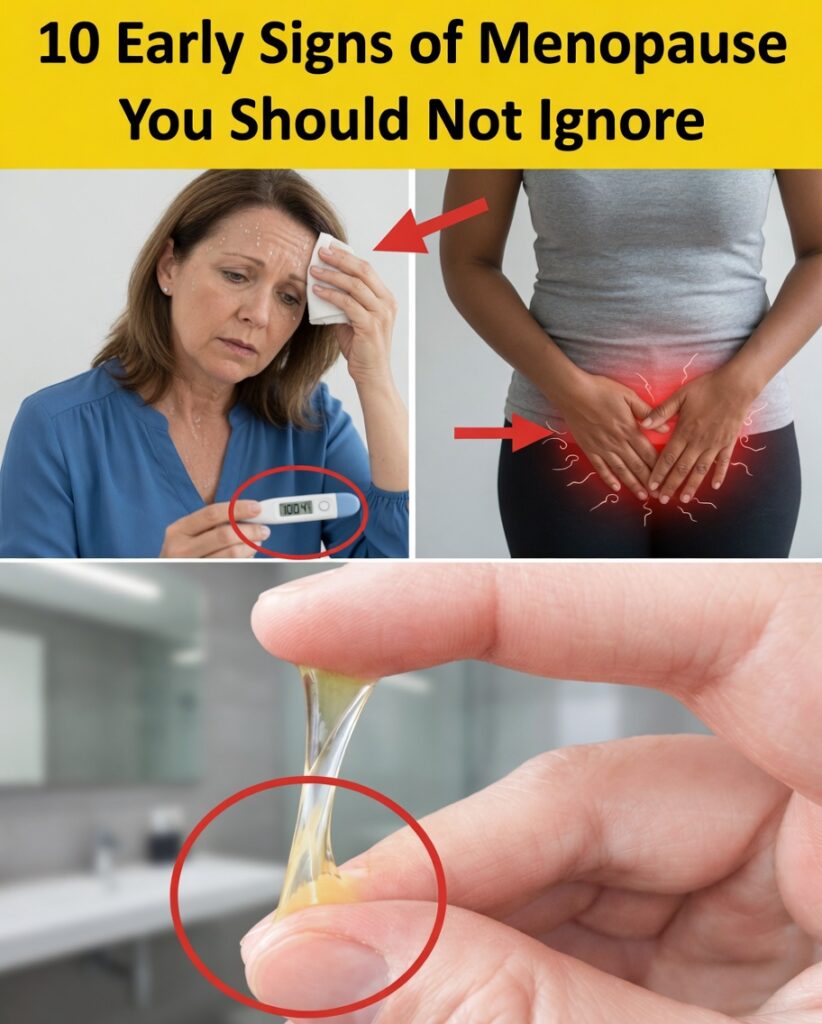
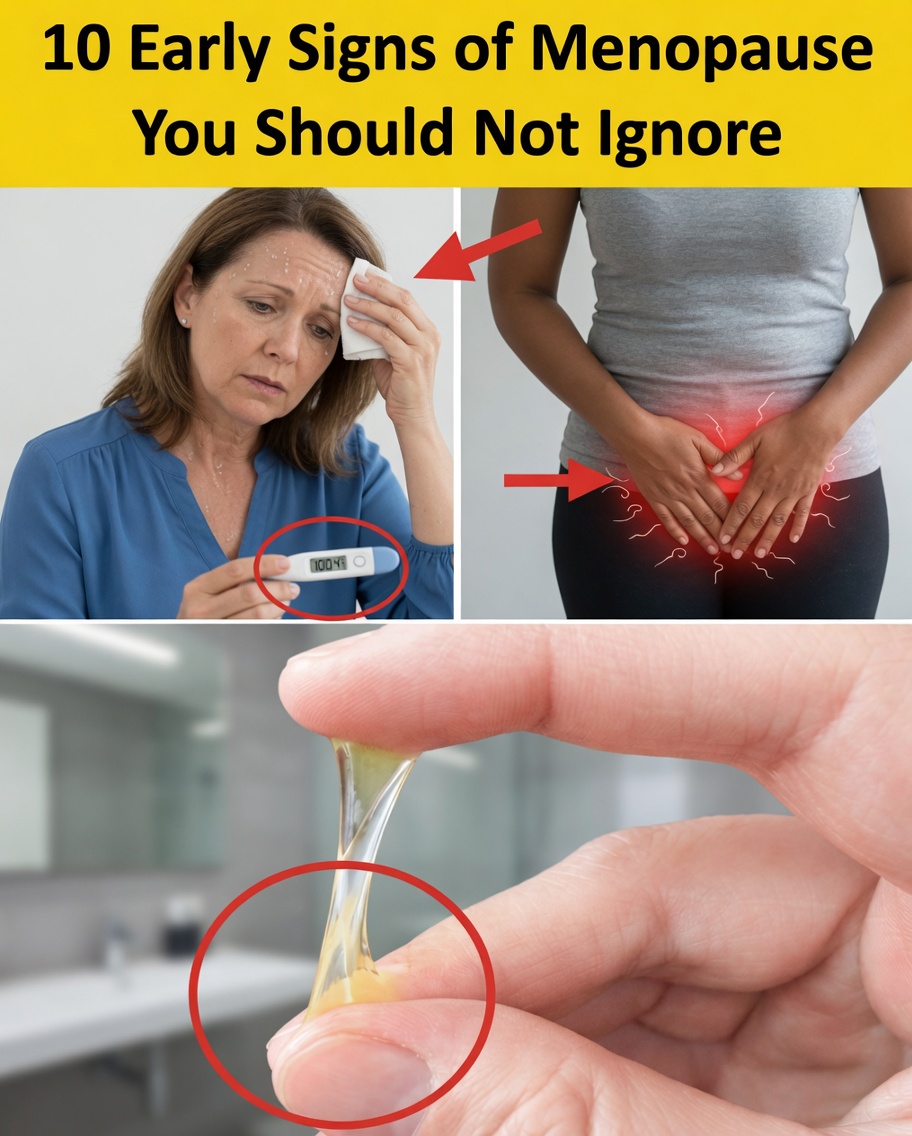
10 Key Signs of Early Menopause to Watch For
-
Irregular menstrual cycles
Periods that arrive late, become heavier than usual, or show up unexpectedly are often among the earliest clues. -
Hot flashes and night sweats
Sudden waves of heat—especially at night—are extremely common. -
Vaginal dryness
This may cause discomfort and can impact intimacy. -
Mood changes and anxiety
Irritability, sadness, or anxious feelings can appear without an obvious trigger. -
Sleep problems
Trouble falling asleep or waking up multiple times during the night. -
Ongoing fatigue
Even after resting, you may still feel low on energy. -
Memory lapses and “brain fog”
Difficulty focusing, forgetfulness, or a cloudy feeling in your thinking. -
Weight gain around the abdomen
Hormonal shifts can change how your body uses energy and stores fat. -
Joint and muscle aches
Stiffness, soreness, and general physical discomfort can increase. -
Lower libido
Reduced desire or discomfort during sex can also occur.
Other Symptoms Many Women Overlook
Some signs are easy to dismiss, but they can still be linked to hormonal changes, such as:
- Frequent headaches
- Dry skin and dry eyes
- Recurring urinary tract infections (UTIs)
- Hair thinning or hair loss
Tracking these symptoms over several weeks may reveal patterns that are important to share with a healthcare professional.
Long-Term Risks You Should Know
Early menopause may increase the risk of:
- Osteoporosis (bone loss)
- Heart disease
- Cognitive changes over time
The earlier you recognize what’s happening and take action, the more options you have to protect your health.
What You Can Do Naturally to Support Your Body
Healthy habits can help reduce discomfort and improve how you feel day to day:
- Eat calcium- and vitamin D–rich foods to support bone health
- Move regularly with gentle exercise, such as walking, stretching, or light strength training
- Add phytoestrogen foods (like soy) as part of a balanced diet
- Lower stress with breathing exercises, meditation, or yoga
- Avoid smoking, which can worsen symptoms and health risks
A powerful tip: write down your symptoms every day. A simple daily log can help you understand your body, spot trends, and communicate clearly with a provider.
When to Seek Professional Help
If you are under 45 and notice several of these symptoms—especially if they persist—schedule an appointment with a healthcare professional. The right evaluation and follow-up can make a significant difference in your comfort and long-term wellbeing.
A New Way to Look at This Phase
Picture yourself 30 days from now: more energy, better sleep, and a stronger sense of control over your body. That outcome is possible—and it starts with awareness and consistent action.
Frequently Asked Questions
-
Can early menopause be reversed?
No, but symptoms can often be managed effectively with healthy habits and proper medical guidance. -
How is early menopause diagnosed?
Diagnosis typically involves your symptoms, medical history, and hormone testing. -
Is there a safe treatment?
Yes—options exist, but the safest approach depends on your personal health profile and should be evaluated by a professional.
This content is for informational purposes only and does not replace medical advice.