Use Aloe Vera for 7 Days and Notice Naturally More Hydrated, Calm, Healthier-Looking Skin
Have you ever come home with tight, dry skin after a sunny day—or felt mild discomfort after a heavy meal? These small annoyances are common, and many people look for natural, practical, budget-friendly options. That’s where aloe vera (often called “babosa”) comes in: a plant used for generations in everyday self-care. But do you know the safest and most effective ways to use it?
Keep reading—you may be surprised by how simple it is to start today, plus a few essential tips that make a real difference.
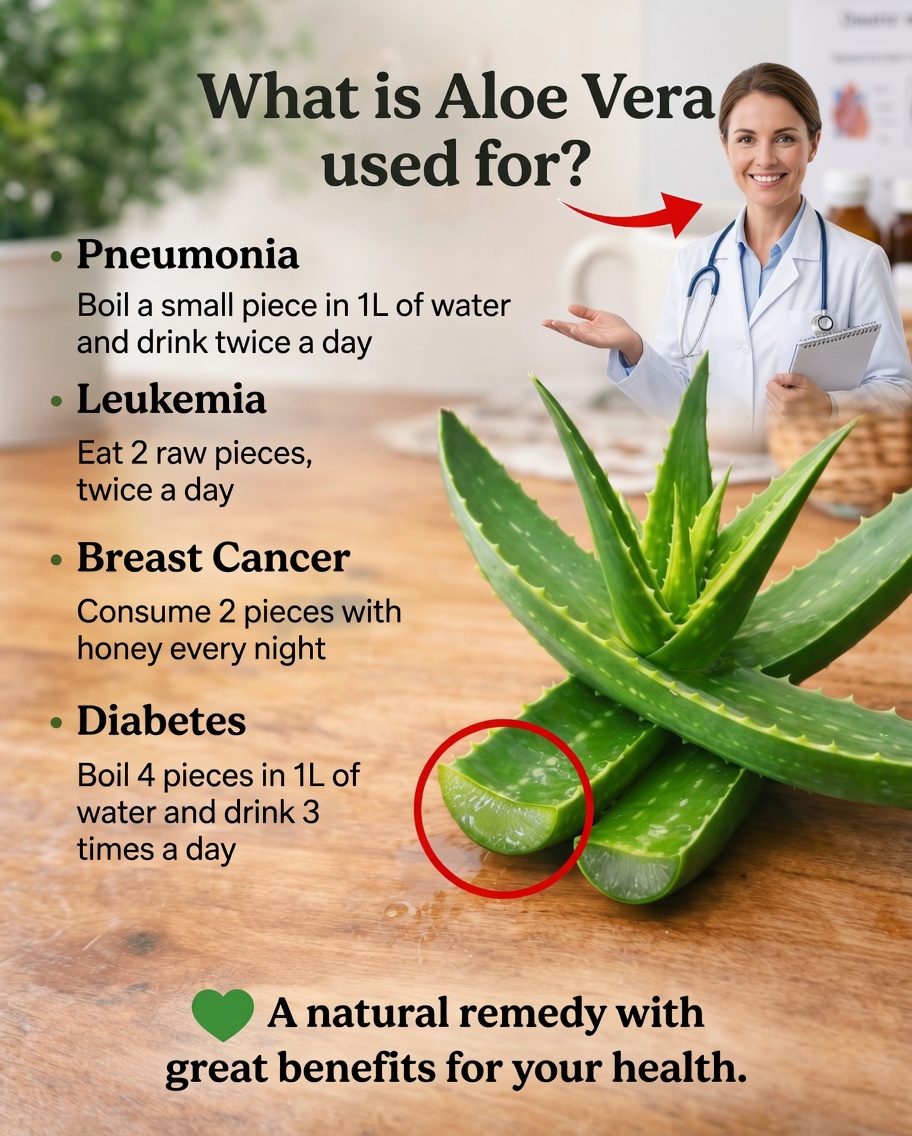
What Is Aloe Vera?
Aloe vera is a succulent plant with thick leaves filled with a clear, soothing gel. This gel is the part most widely used—especially in skin care products and, in some cases, in natural drinks.
Aloe gel contains polysaccharides, antioxidants, and enzymes. Research suggests that short-term topical use is usually well tolerated and may help hydrate and calm the skin.
How People Use Aloe Vera on the Skin
One of the most popular uses is applying aloe gel directly to the skin—particularly when it feels dry, sensitive, or irritated.
- Soothing mild discomfort: Aloe gel can feel cooling after sun exposure or minor irritation.
- Everyday hydration: Lightweight and non-greasy, it can be used at night or under makeup.
- Acne-friendly routine: Its light texture typically won’t clog pores, which can suit oily or acne-prone skin.
Practical tip: Apply a thin layer of pure gel to clean skin. Always do a patch test on a small area first.
Aloe Vera for Hair and Scalp Care
Aloe vera is also commonly included in hair routines.
- Helps make hair easier to detangle
- Adds natural shine
- Can feel refreshing on the scalp
Use a small amount as a hair mask or a natural leave-in (especially on ends), then adjust based on how your hair responds.
Drinking Aloe Vera: What You Should Know
Some people drink aloe vera juice or blend the gel into smoothies. This is where extra care is needed.
- Use only the inner clear gel
- Avoid the yellow latex near the leaf skin, which may cause strong laxative effects
Early research suggests possible digestive benefits, but more studies are still needed.
Important: If you choose to consume aloe, do so in moderation and preferably with professional guidance—especially if you have any health condition.
How to Prepare Aloe Vera at Home
- Cut a mature leaf
- Let the yellow liquid drain for 10–15 minutes
- Rinse the leaf thoroughly
- Slice it open and remove the clear gel
- Use immediately or mix into simple natural recipes
Storage tip: Keep fresh gel in the refrigerator for up to one week, or freeze it into cubes.
Other Simple Natural Uses
Aloe vera is also used in a variety of traditional, at-home wellness practices, such as:
- A natural mouth rinse
- Face masks when combined with honey
- Soothing foot soaks for relaxation
As with any natural ingredient, results can vary from person to person.
Easy Ways to Start Today
- Apply in the morning for a more refreshed, healthy glow
- Combine with a well-diluted essential oil for body moisture (only if your skin tolerates it)
- Store gel in the fridge for post-sun comfort
- If consuming, start with very small amounts
Frequently Asked Questions
Can I use aloe vera on my face every day?
In many cases, yes—especially if your skin tolerates it well. Always patch test first.
Can I drink aloe vera every day?
Not recommended without professional guidance.
Does it help sunburn?
It may help relieve discomfort, but it does not replace medical care when needed.
Conclusion
Aloe vera is a versatile, simple plant with many natural uses. Whether you’re improving your skin-care routine or supporting everyday wellness, it can be a valuable addition—when used thoughtfully and with quality in mind.
The key is moderation, choosing the right form, and paying attention to how your body responds.
Important Notice: This content is for informational purposes only and does not replace medical advice. Consult a qualified professional before using aloe vera—especially if you are pregnant, breastfeeding, or taking medications.