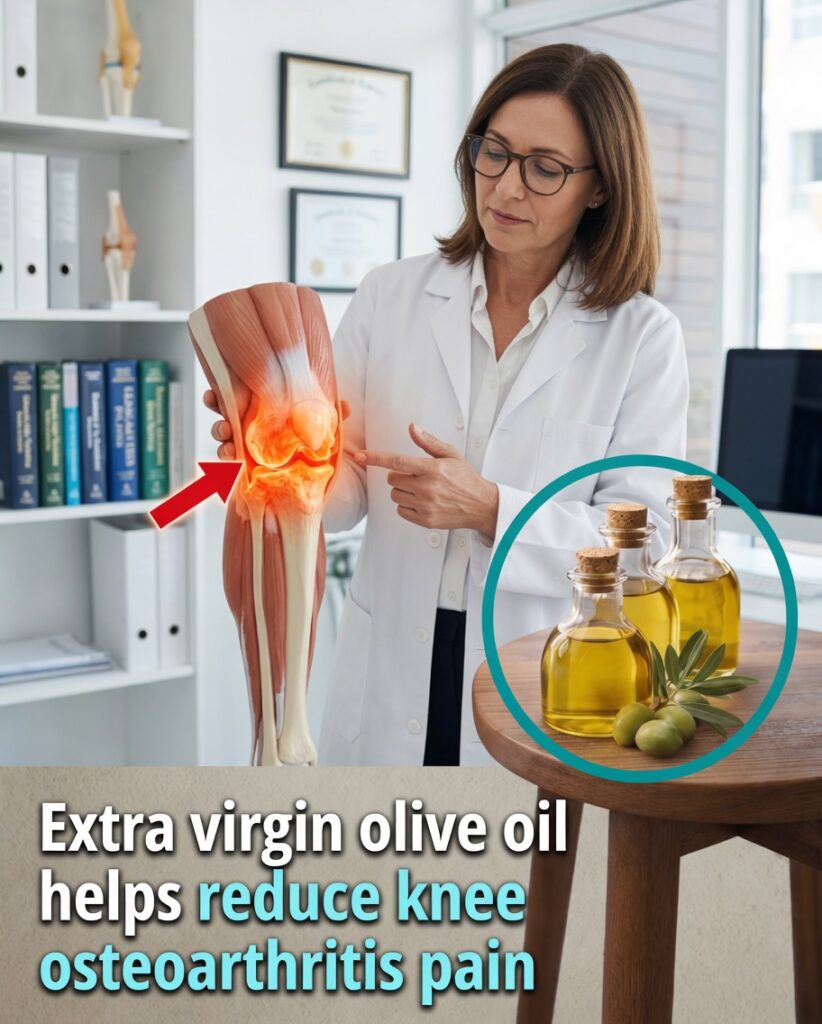
Science Suggests Olive Oil May Help Protect and Support Joint Health — Here’s How to Use It
Do you wake up with stiff, aching knees, where even simple tasks like climbing stairs or walking a short distance feel difficult? If that sounds familiar, you’re not alone. Millions of people live with the daily wear-and-tear of osteoarthritis, often relying on creams and medications that may provide only short-term relief.
What if part of the solution is already in your kitchen? Recent research is taking a closer look at olive oil—a traditional staple that may play a meaningful role in joint support, comfort, and mobility.
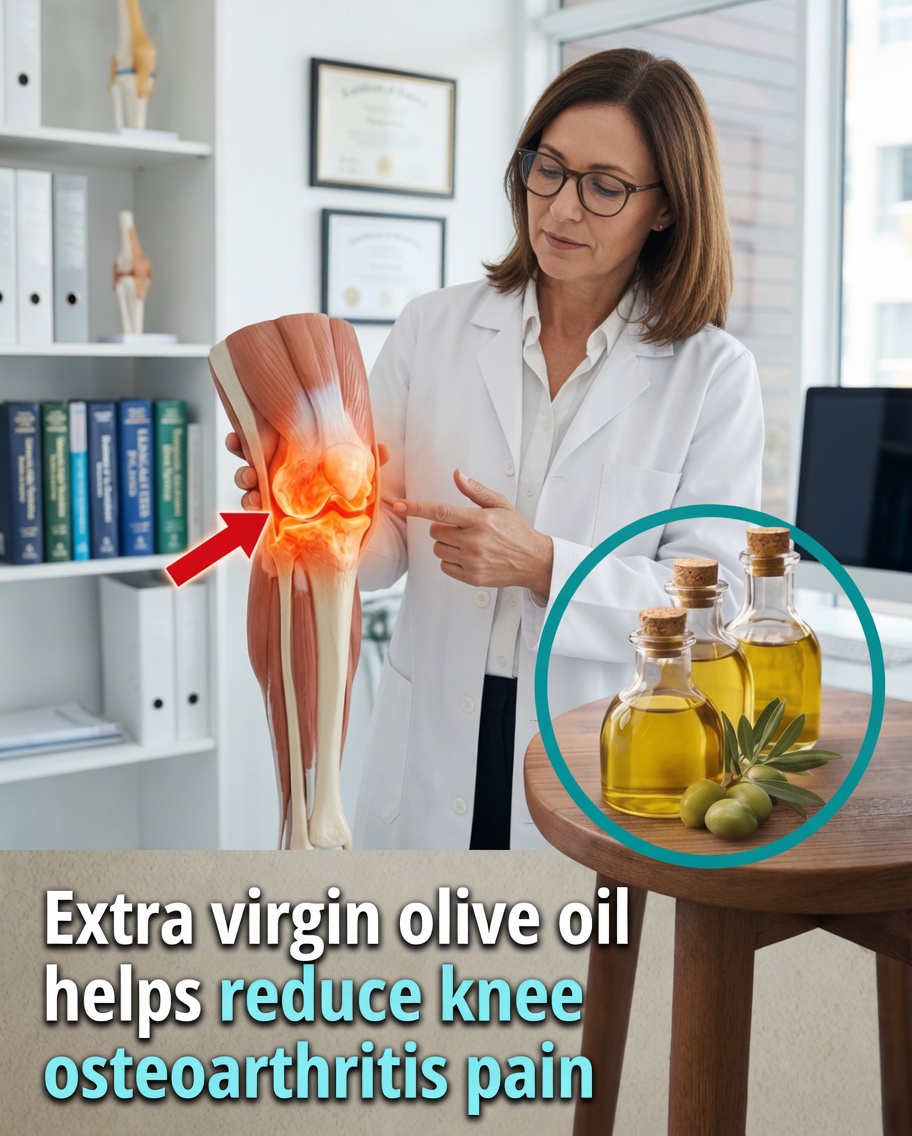
What the Latest Research Is Saying
A recent systematic review examined olive oil and its bioactive compounds—including hydroxytyrosol, oleuropein, tyrosol, and especially oleocanthal—for their potential benefits in joint health.
These naturally occurring substances have been associated with:
- Helping regulate inflammatory pathways in the body
- Reducing oxidative stress (a contributor to tissue breakdown)
- Supporting cartilage maintenance over time
Researchers also highlighted mechanisms that may be relevant to osteoarthritis, such as:
- Protecting chondrocytes, the specialized cells responsible for producing and maintaining cartilage
- Supporting autophagy, a natural “cell cleanup” process linked to cellular repair and renewal
Human Studies Show Practical Improvements
Some clinical research has reported measurable outcomes in people with osteoarthritis:
-
Olive extract (oral use)
In a controlled study, participants with osteoarthritis who took 400 mg of olive extract daily for 8 weeks reported a significant improvement in comfort and mobility. -
Extra virgin olive oil (topical use)
Another study tested a simple routine: applying extra virgin olive oil directly to the knee three times per day for 4 weeks. Participants experienced noticeable pain reduction and better joint function—performing even better than a commonly used anti-inflammatory gel.
Quick comparison
- Olive extract (oral): supports improvement in pain and function
- Extra virgin olive oil (topical): local relief and improved joint performance
- Key difference: one works from the inside out, the other targets the area directly
Why Extra Virgin Olive Oil May Work
The standout value of extra virgin olive oil (EVOO) comes from its phenolic compounds, which work together in ways that isolated supplements may not easily replicate:
- Oleocanthal: often described as a “natural ibuprofen-like” compound due to its anti-inflammatory activity
- Hydroxytyrosol and tyrosol: powerful antioxidants that help counter oxidative damage
- Oleuropein: linked to cellular support and potential cartilage-related benefits
This combination is one reason EVOO is frequently studied in connection with inflammation, recovery, and long-term tissue health.
How to Use Olive Oil for Joint Support (Daily, Safely)
If you’d like to try olive oil as part of your joint care routine, these options are simple and widely considered safe for most people.
-
Choose high-quality olive oil
Look for extra virgin, cold-pressed, and ideally with a recent harvest/bottling date. -
Topical application (knee or sore joint area)
Warm a small amount in your hands, then massage the knee for 3–5 minutes, up to three times daily. -
Daily dietary use
Add 1–2 tablespoons per day to:- salads
- vegetables
- cooked meals (preferably added after cooking to preserve phenolics)
-
Pair it with gentle movement
Light activity can amplify results, such as:- walking
- stretching
- gentle yoga or mobility routines
-
Store it correctly
Keep olive oil in a cool, dark place to help protect its active compounds.
Consistency matters: many studies observed noticeable changes after 4 to 8 weeks.
What This Could Mean for You
While research is still evolving, early findings are encouraging. Olive oil is not a replacement for medical treatment, but it may be a helpful natural ally for supporting comfort and mobility—especially when combined with a healthy lifestyle.
It’s also affordable, generally well-tolerated, and easy to incorporate into everyday routines—making it one of the simplest natural strategies to test.
Frequently Asked Questions
How much should I use?
- Dietary use: 1–2 tablespoons per day
- Topical use: up to 3 times per day
Is extra virgin olive oil better?
Yes. Extra virgin olive oil typically contains higher levels of beneficial phenolic compounds.
Can I use olive oil while taking medications?
Often yes, but it’s best to check with your healthcare professional—especially if you take regular medications or manage chronic conditions.
Will it work for everyone?
Results vary depending on individual biology, lifestyle habits, and the severity of the condition.
Final Thoughts
It’s surprising—and genuinely hopeful—that something as familiar as olive oil may support joint health. It isn’t a miracle cure, but current evidence suggests it may be worth considering as part of a broader, healthy approach to managing stiffness and discomfort.
If you’ve been dealing with persistent joint issues, trying a consistent olive oil routine—dietary or topical—may be a practical next step while you observe how your body responds.
Important Notice: This content is for informational purposes only and does not replace medical advice. Always consult a qualified healthcare professional before changing your diet or routine, especially if you have existing medical conditions or take medications. Results may vary.