Study Finds: Natural Peppermint Compounds May Affect Cancer Cells in the Lab
Have you ever wondered whether everyday herbs still hold secrets that modern science is only beginning to uncover? Throat and voice box (larynx) problems affect many people each year, which is why reliable, evidence-based information matters. A new 2025 study reported intriguing laboratory findings involving peppermint—but what does that actually mean in real life? Read on for the details and the context that truly matters.
What the 2025 Study Found
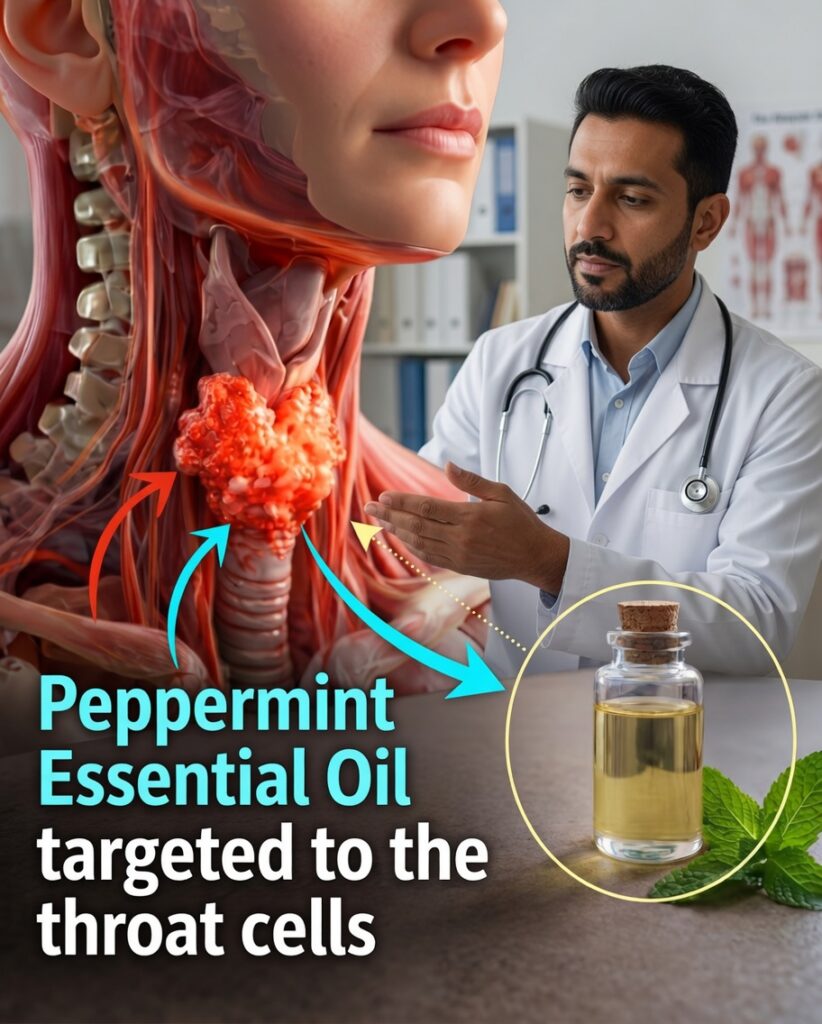
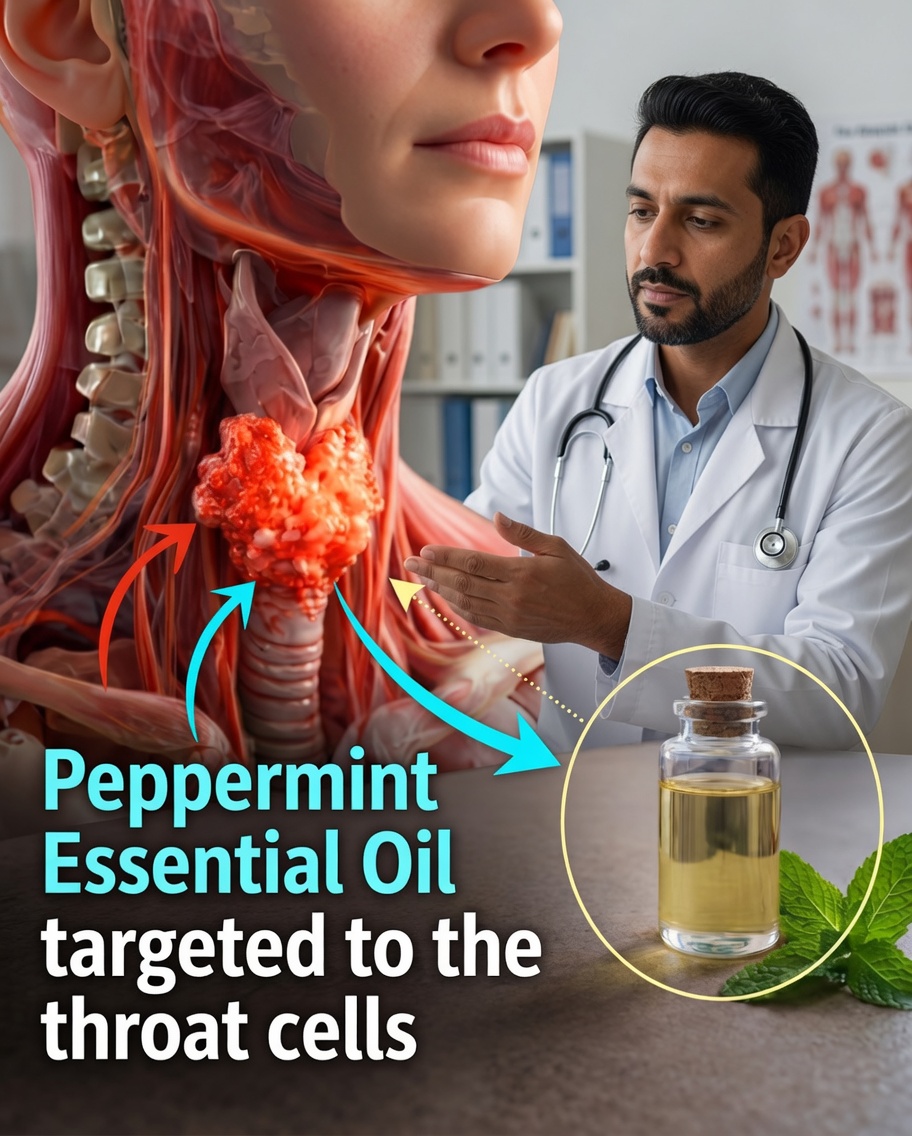
Researchers examined how peppermint essential oil (Mentha piperita) influenced human laryngeal carcinoma cells grown in a laboratory setting. Using the MTT assay (a common test that estimates cell metabolic activity/viability), they exposed the cells to concentrations ranging from 10 to 500 µg/mL.
After 24 hours, the team observed that cell viability decreased as the dose increased. At concentrations above 200 µg/mL, the reduction became statistically significant. Under a microscope, the cells also showed visible changes such as shrinkage, loss of cell-to-cell connections, and other signs consistent with cellular stress.
The authors concluded that, under laboratory conditions, peppermint essential oil was able to reduce the metabolic activity of these cancer cells.
Key point: This was an in vitro study only—meaning it was done in the lab, not in humans, and it did not test clinical treatment.
How to Interpret the Results
When a result is described as “dose-dependent,” it means the effect becomes stronger as the amount of the substance increases. In this study, lower concentrations produced smaller changes, while higher concentrations produced more noticeable effects.
Findings like these are typical of early-stage research exploring how natural compounds interact with cells. While they can be scientifically interesting, they do not prove the same outcome would occur inside the human body, where absorption, metabolism, and safety limits are very different.
Why These Findings Attract Attention
Peppermint is already widely used in tea, aromatherapy, and oral care products. Seeing a familiar plant appear in cancer-cell research naturally sparks interest—but it’s essential to stay critical and avoid overinterpreting early data.
At this time, there is no clinical evidence that peppermint essential oil can treat or prevent disease in people. Also, essential oils are highly concentrated and may cause irritation or other side effects if used improperly.
Experts commonly emphasize that:
- Cell studies are only a first step
- Lab results do not translate directly to the human body
- Medical decisions and treatments must be guided by qualified professionals
How to Use Peppermint Safely
While research continues, you can still enjoy peppermint in traditional, safer ways:
- Aromatherapy: Add 2–3 drops to a diffuser for a fresh scent
- Topical use: Mix 1 drop into a carrier oil (and patch-test first)
- Peppermint tea: Brew fresh or dried leaves for a mild drink
- Oral hygiene: Choose ready-made products where peppermint is included at regulated, safe concentrations
Important safety reminders:
- Never ingest essential oil undiluted
- Avoid using essential oils in children unless a professional advises it
- If you are pregnant, breastfeeding, or on medication, consult a healthcare professional before use
What to Expect Next
Studies like this are best seen as early signals that justify deeper investigation. Next steps typically include more detailed experiments, identifying which components may be most active (such as menthol), and, if the evidence supports it, eventual clinical trials.
For now, the study highlights a broader takeaway: nature remains a rich source of bioactive compounds, but understanding what they truly do—and whether they are helpful or safe—requires time and rigorous science.
Frequently Asked Questions
-
Does peppermint essential oil help with laryngeal diseases?
No clinical evidence supports that. The 2025 findings were limited to lab-grown cells. -
Should I use peppermint essential oil because of this study?
You may use it in traditional, safe ways, but you should not try to replicate laboratory conditions or treat illness based on this result. -
When will we have clearer answers?
Research of this type often takes years before it leads to reliable, practical applications—if it ever does.
Disclaimer: This content is for informational purposes and does not replace medical advice. Always consult a healthcare professional before making changes to your health routine.