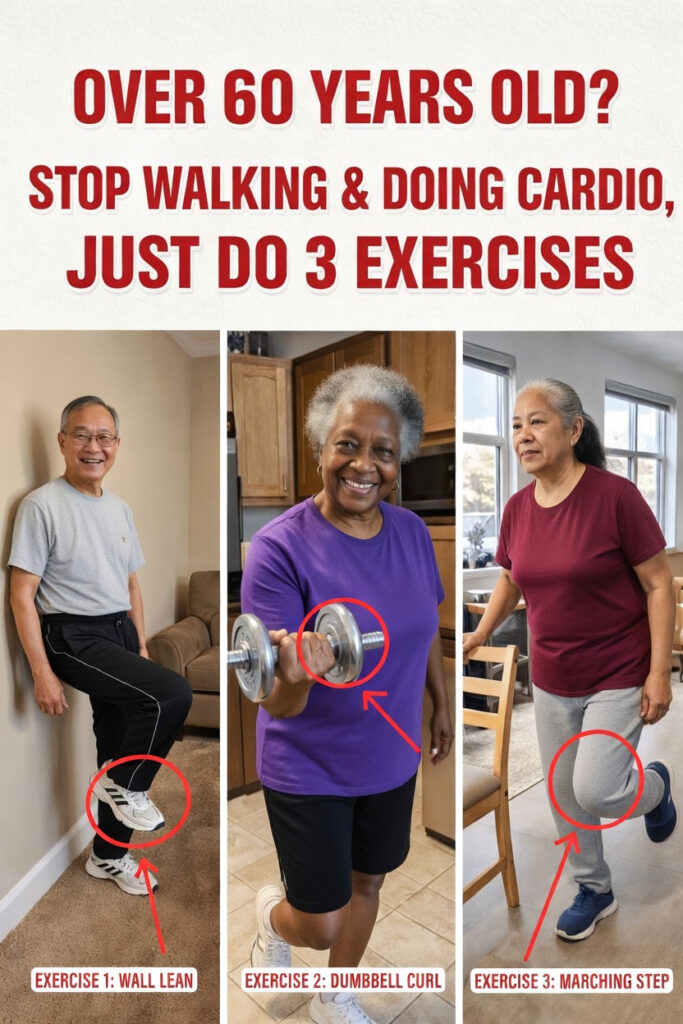
Why Walking Alone May Not Be Enough After 60
Walking is still one of the most effective low-impact activities for staying active. It helps improve blood flow, supports joint function, and benefits mental health. Health organizations such as the CDC and the NHS recommend at least 150 minutes of moderate exercise each week, and walking is an excellent way to reach that goal.
Still, aging brings gradual changes to the body, including a natural loss of muscle mass and strength. While walking is excellent for cardiovascular fitness and endurance, it may not provide enough resistance to maintain muscle in the legs, core, and upper body. According to guidance from the National Institute on Aging, strength can decline over time without resistance-based exercise, which may affect balance, mobility, and everyday independence.
That is why adding simple strength exercises matters. Studies consistently show that resistance training done two to three times per week can help protect muscle function, support bone health, and improve overall quality of life. The good news is that this does not require intense gym workouts. A few easy bodyweight movements at home can make a meaningful difference.
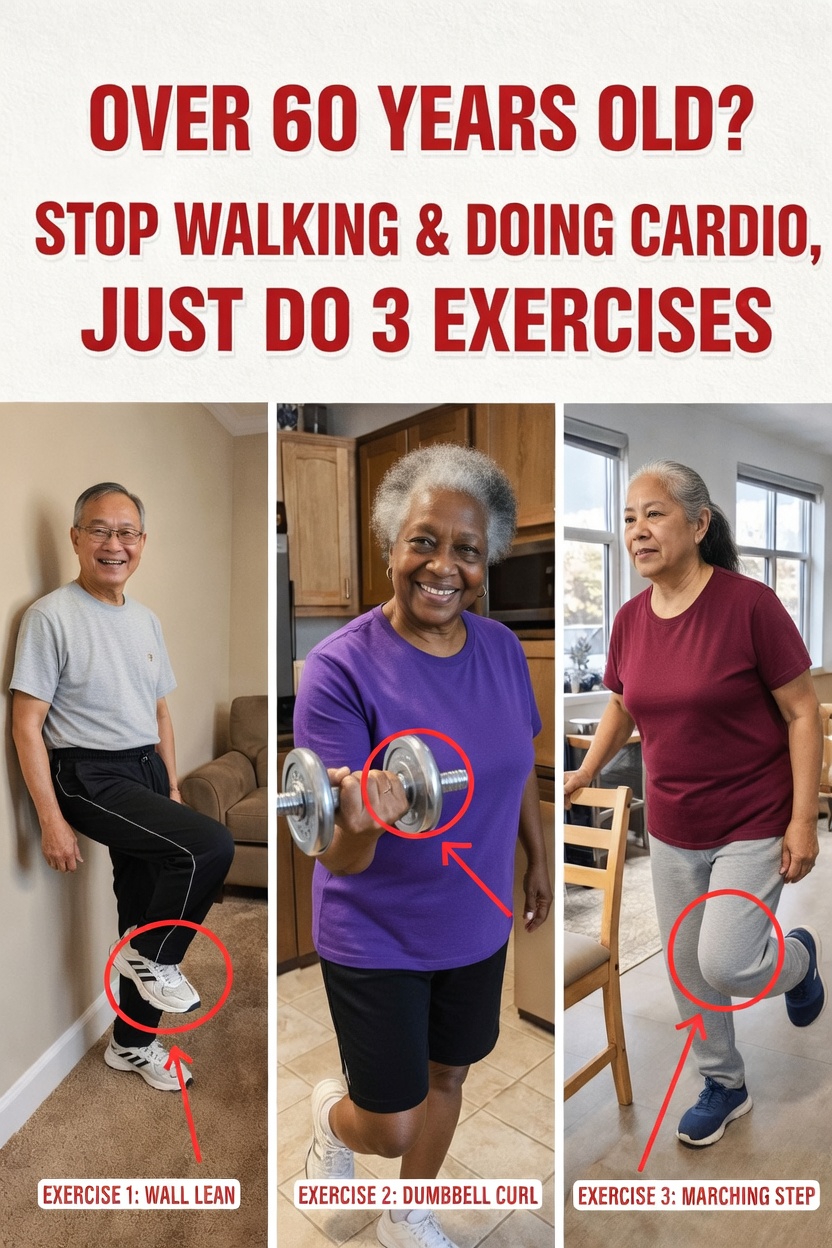
3 Essential Strength Exercises for Adults Over 60
These movements focus on major muscle groups used in daily life. They follow widely accepted health recommendations for older adults and are practical for beginners. Move at a comfortable pace, prioritize proper form, and speak with your doctor before starting a new exercise routine, especially if you have any medical concerns.
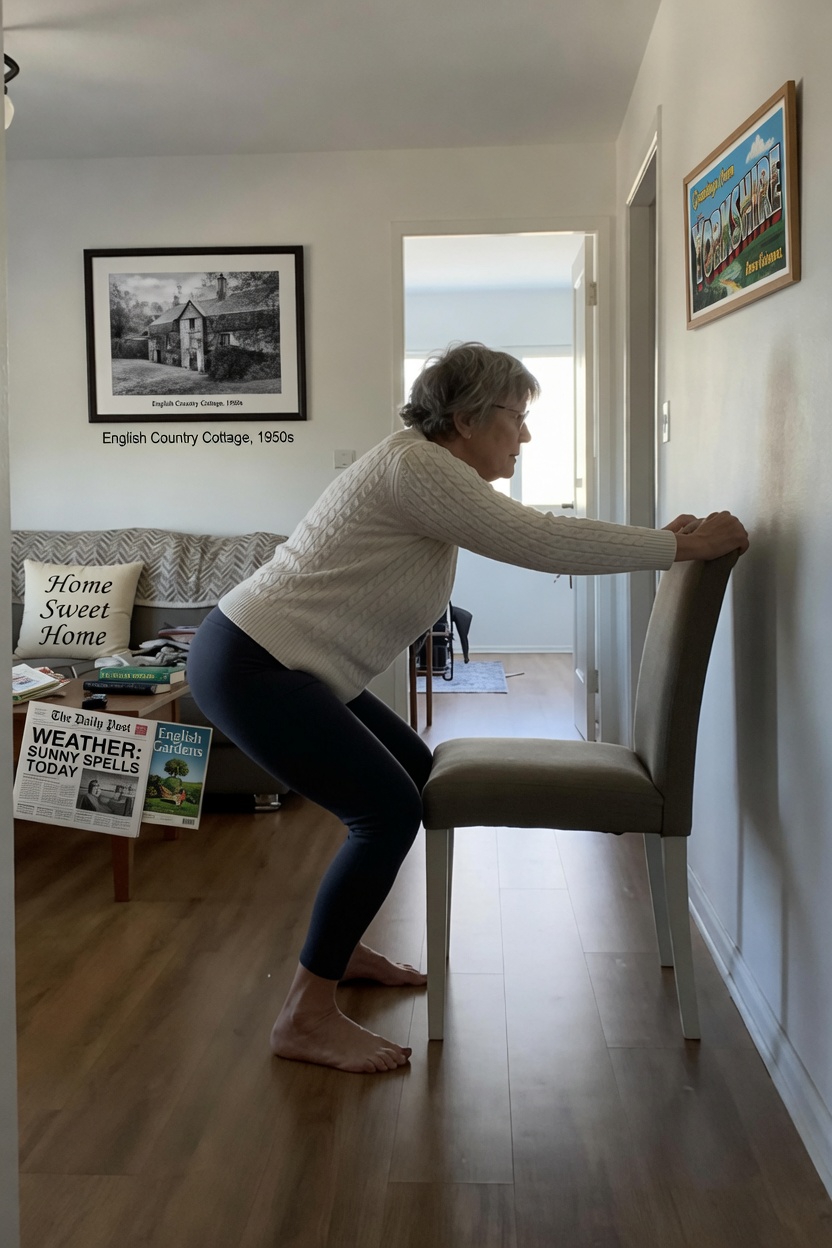
1. Chair Squats or Supported Squats
Chair squats strengthen the thighs, hips, and glutes. These muscles are important for getting up from a chair, walking with more stability, and lowering the risk of falls.
How to do chair squats
- Stand in front of a sturdy chair with your feet about shoulder-width apart.
- Slowly bend your knees and hips as if you are about to sit down.
- Lower yourself until you are just above the chair, or lightly touch it for support.
- Press through your heels and return to standing.
- Perform 8 to 12 repetitions for 2 to 3 sets.
- Rest for 60 to 90 seconds between sets.
Helpful tip
- Keep your chest lifted.
- Make sure your knees move in line with your toes.
- If balance feels challenging, lightly hold the chair at first.
Many people notice that after a few weeks, standing up from a seated position feels easier and more natural.
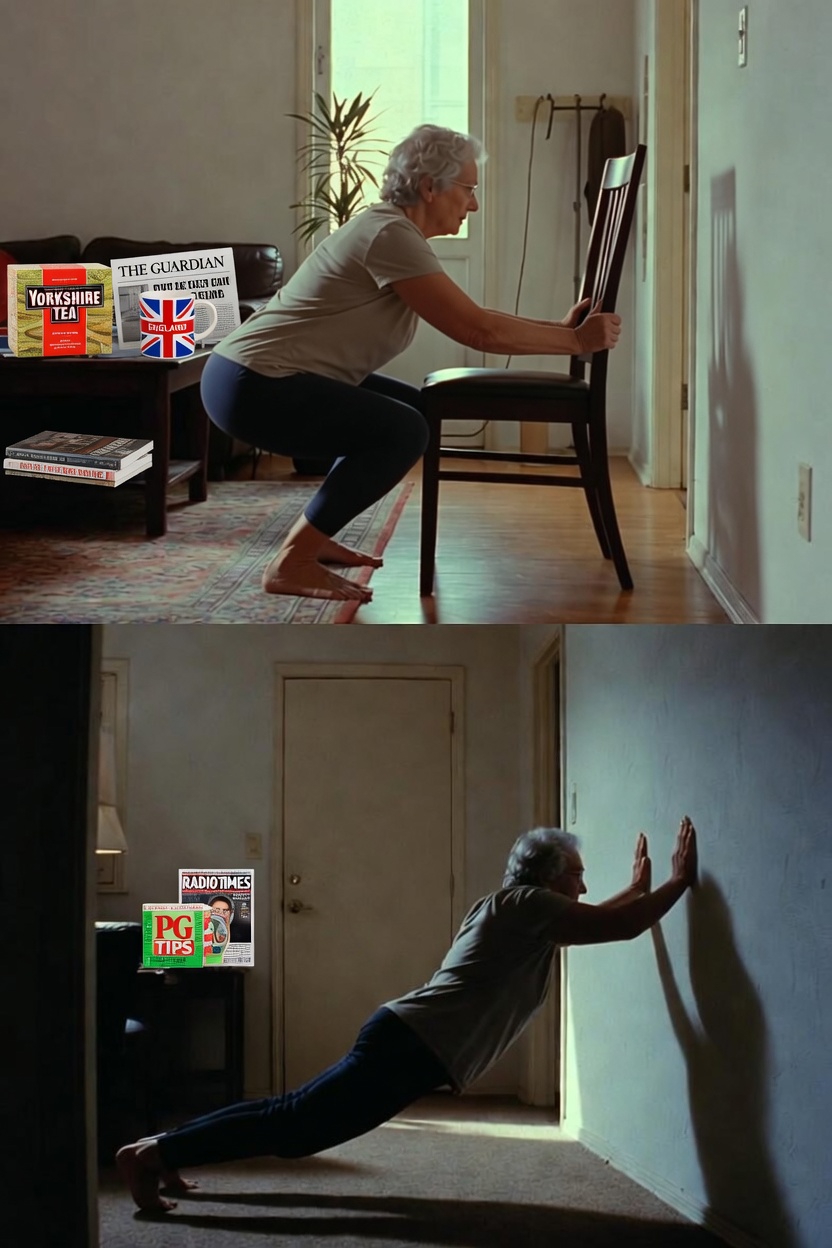
2. Wall Push-Ups or Incline Push-Ups
This exercise improves strength in the chest, shoulders, and arms. That upper-body strength helps with common tasks such as pushing doors, carrying groceries, and getting up safely from the floor.
How to do wall push-ups
- Stand facing a wall.
- Place your hands on the wall at chest height, about shoulder-width apart.
- Step your feet back slightly so your body forms a gentle angle.
- Bend your elbows and slowly bring your chest toward the wall.
- Push yourself back to the starting position.
- Complete 8 to 15 repetitions for 2 to 3 sets.
Easy modification
- The closer your feet are to the wall, the easier the movement becomes.
- As you gain strength, step farther back to increase the challenge.
This is a joint-friendly exercise that can be adjusted easily. Research also suggests that stronger upper-body muscles can improve posture and reduce strain on the back.
3. Standing Calf Raises or Toe Stands
The calf muscles play a key role in balance, ankle support, and the push-off phase of walking. They are also important for climbing stairs and moving with confidence.
How to do standing calf raises
- Stand near a countertop or chair and hold it lightly for support.
- Slowly rise onto your toes, lifting your heels off the floor.
- Pause for 1 to 2 seconds at the top.
- Lower your heels back down with control.
- Repeat 10 to 15 times for 2 to 3 sets.
Variation
- If standing feels difficult at first, try a seated version.
- As you get stronger, hold light weights such as water bottles to increase resistance.
Fitness guidelines often highlight calf strength as an important factor in preventing falls and maintaining a steady walking pattern.
Walking vs. Strength Training: What Is the Difference?
Walking and strength exercises both offer valuable benefits, but they serve different purposes. Combining them creates a more complete fitness routine.
Quick comparison
-
Muscle development
- Walking: Limited resistance
- These 3 exercises: Better for building and maintaining strength
-
Balance support
- Walking: Moderate benefit
- These 3 exercises: More direct improvement through targeted muscle work
-
Daily function
- Walking: Great for endurance
- These 3 exercises: Better for standing, sitting, climbing stairs, and carrying items
-
Equipment
- Walking: No equipment needed
- These 3 exercises: Only a chair, wall, or countertop
-
Time required
- Walking: Around 20 to 30 minutes daily
- These 3 exercises: About 10 to 15 minutes, 2 to 3 times per week
Adding these strength moves to your regular walks creates a more balanced approach to healthy aging.
How to Start Safely and Make Progress
A simple way to begin is with two sessions per week on non-consecutive days. This gives your muscles time to recover. Before each workout, spend about five minutes warming up with light marching in place or another easy movement.
Safety tips
- Move slowly and with control.
- Focus on good form, not speed.
- Exhale during the effort phase.
- Inhale as you return to the starting position.
How to track improvement
Pay attention to small signs of progress, such as:
- Completing more repetitions comfortably
- Feeling steadier while walking
- Standing up more easily from a chair
- Having more energy during the day
Many older adults notice positive changes in confidence and stamina within four to six weeks. Good nutrition also matters, especially enough protein to support muscle health.
A smart time-saving strategy
Try doing these exercises as a short circuit:
- Perform one set of chair squats
- Move directly to one set of wall push-ups
- Finish with one set of calf raises
- Rest briefly
- Repeat the circuit 2 to 3 times
This method keeps your workouts efficient and adds a light cardiovascular benefit as well.
Conclusion
Staying active after 60 is not just about doing more exercise. It is about choosing the right kind of movement to support independence over time. Walking remains a fantastic habit for heart health, circulation, and overall well-being. But on its own, it may not fully address the strength needs that come with aging.
By adding these three simple exercises, you can strengthen key muscle groups, improve balance, and make everyday activities easier. They are beginner-friendly, require very little equipment, and match evidence-based recommendations for healthy aging.
Start gently, stay consistent, and notice the progress as it comes. Small steps can lead to lasting strength.
FAQ
How often should adults over 65 do these exercises?
Aim for 2 to 3 sessions per week on non-consecutive days. This schedule follows common health recommendations and gives your muscles enough time to recover.
Can I still do these exercises if I have joint pain or limited mobility?
Yes, in many cases you can. Use modifications such as holding onto furniture, reducing how far you move, or choosing seated options. It is best to speak with a healthcare provider before starting if you have existing joint issues or other health conditions.
Do I need weights or gym equipment?
No. You can begin with body weight only. A sturdy chair, wall, or countertop is enough. As your strength improves, you can add light resistance with small dumbbells or even water bottles.