You Can Spot Breast Cancer Signs at Home — and It Could Save Your Life
Many women move through busy routines without noticing that small breast changes may be meaningful signals from the body. Breast cancer is one of the most common conditions affecting women worldwide, but one factor can dramatically improve outcomes: early attention and timely evaluation.
Do you feel confident that you truly know what’s normal for your body? Recognizing early warning signs can make a major difference. There’s also a simple, expert-recommended habit that can help you take more control of your breast health—keep reading to learn how to make it part of your routine.
Why Breast Changes Deserve Your Attention
Not every change means cancer—this is essential to understand. However, anything that seems unusual for you deserves extra attention. Every body is different, and breast cancer symptoms can look and feel different from one person to another.
What research consistently supports is that early detection significantly increases the likelihood of effective treatment. Regularly observing your body is a practical, empowering step.
Common Warning Signs to Watch For
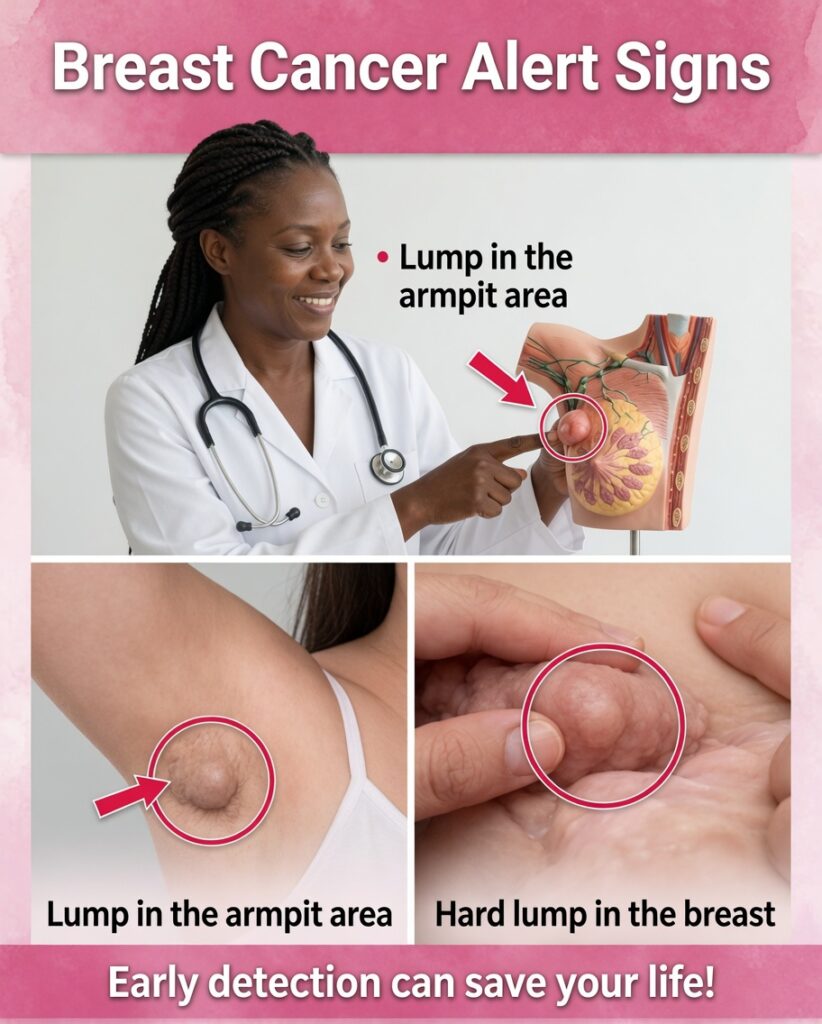
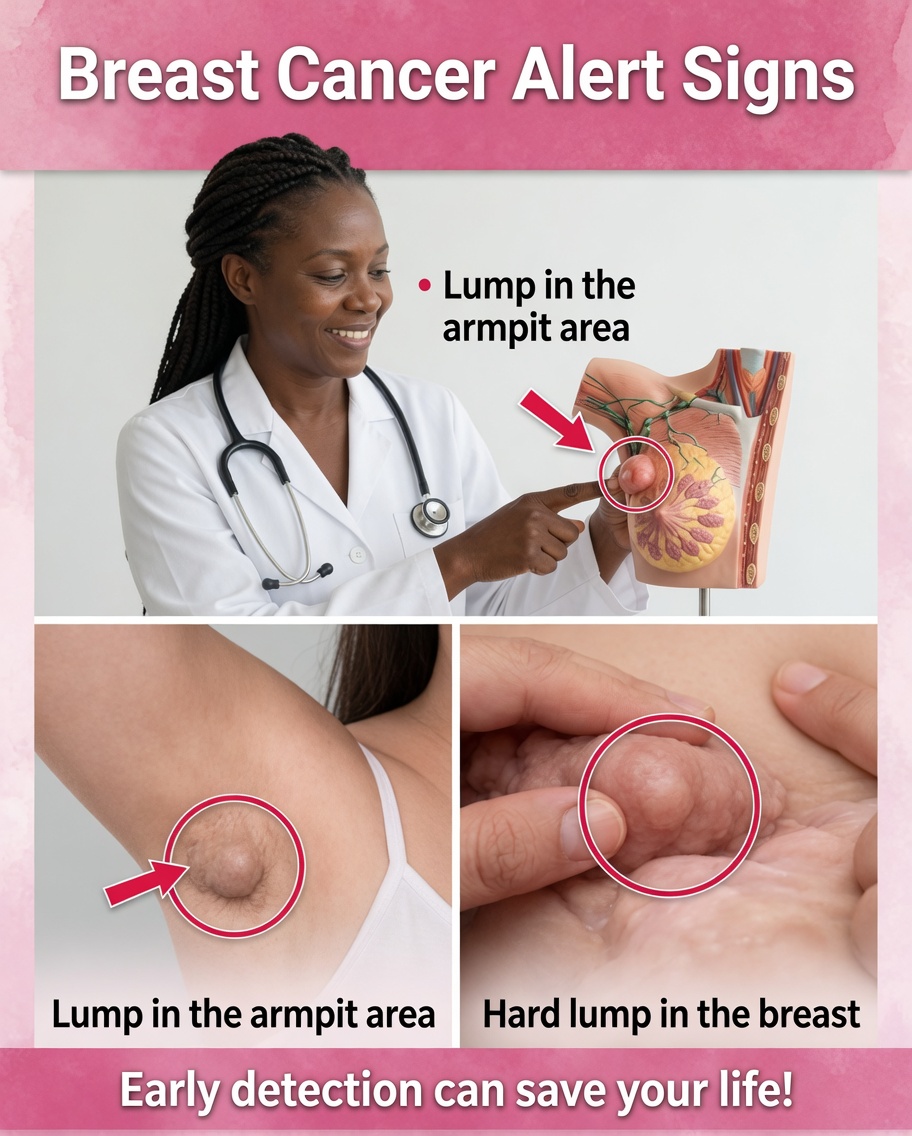
The best-known sign is a new lump in the breast or underarm (armpit). Lumps can be hard or soft, painful or painless. Many are non-cancerous, but they still need medical assessment.
Other important signs include:
- Swelling or thickening in part of the breast
- Skin changes such as dimpling or a “peau d’orange” (orange-peel) texture
- Redness, irritation, or flaking on the breast or nipple
- A nipple that turns inward (new nipple inversion)
- Unusual nipple discharge (clear, bloody, or colored)
- A noticeable change in breast size or shape
- Persistent pain in the breast or nipple
Also pay attention to the underarm area, where swelling or lumps may appear.
Less-Recognized Symptoms
Breast cancer signs are not always obvious. Some women notice only subtle visual changes or a different sensation in one breast.
Examples may include:
- One breast feeling heavier than the other
- Unexplained redness
- Small but noticeable differences you can see in the mirror
If something feels “off” compared to your normal baseline, trust your instincts and get it checked.
How to Do a Simple Breast Self-Exam
You don’t need special tools—just a few minutes each month.
In the shower:
- Using your fingertips, gently feel the entire breast and armpit area in small circular motions.
In front of a mirror:
- Look with arms relaxed at your sides, then with arms raised.
- Watch for visible changes in shape, skin texture, or nipple appearance.
Lying down:
- Raise one arm and use the opposite hand to examine the breast.
- Cover the full area, including near the armpit.
For consistency, try to do this around the same time each month. After menopause, choose a fixed day (for example, the first day of each month).
Why Medical Screening Still Matters
A breast self-exam is helpful, but it does not replace clinical exams or mammograms. Professional screening can detect changes that may not be felt by touch.
Talk to your healthcare provider about when to begin regular screening—especially if you have a family history of breast cancer or other risk factors.
Habits That Support Breast Health
Everyday lifestyle choices can support overall health and may contribute to healthier breast tissue. Consider:
- Maintaining a healthy weight
- Being physically active consistently
- Limiting alcohol intake
- Avoiding smoking
- Breastfeeding when possible
More important than perfection is consistency—long-term habits matter.
When to See a Healthcare Professional
Don’t ignore symptoms that persist or worsen. Seek medical guidance if you notice:
- A new lump in the breast or underarm
- Changes in skin or nipple appearance
- Pain that doesn’t go away
- Unusual nipple discharge
Getting help early can provide clarity, reassurance, and safer next steps.
Frequently Asked Questions
-
Can breast pain be cancer?
Usually not. Breast pain is often related to hormones or muscle tension. However, persistent or unusual pain should be evaluated. -
How often should I do a breast self-exam?
Once a month is enough to stay familiar with what’s normal for you. -
Should younger women worry about breast cancer?
Yes. Risk may be lower at younger ages, but symptoms can appear at any time, so awareness matters.
Conclusion: Small Actions, Big Impact
Breast health doesn’t have to feel complicated. By paying attention to changes, building a monthly self-check habit, and keeping up with medical screening, you put yourself in a safer position.
Start with one small step today—set a monthly reminder or schedule a checkup. Your future well-being is shaped by the choices you make now.
Disclaimer: This content is for informational purposes only and does not replace professional medical advice. Always consult a qualified healthcare provider for evaluation and personalized guidance.