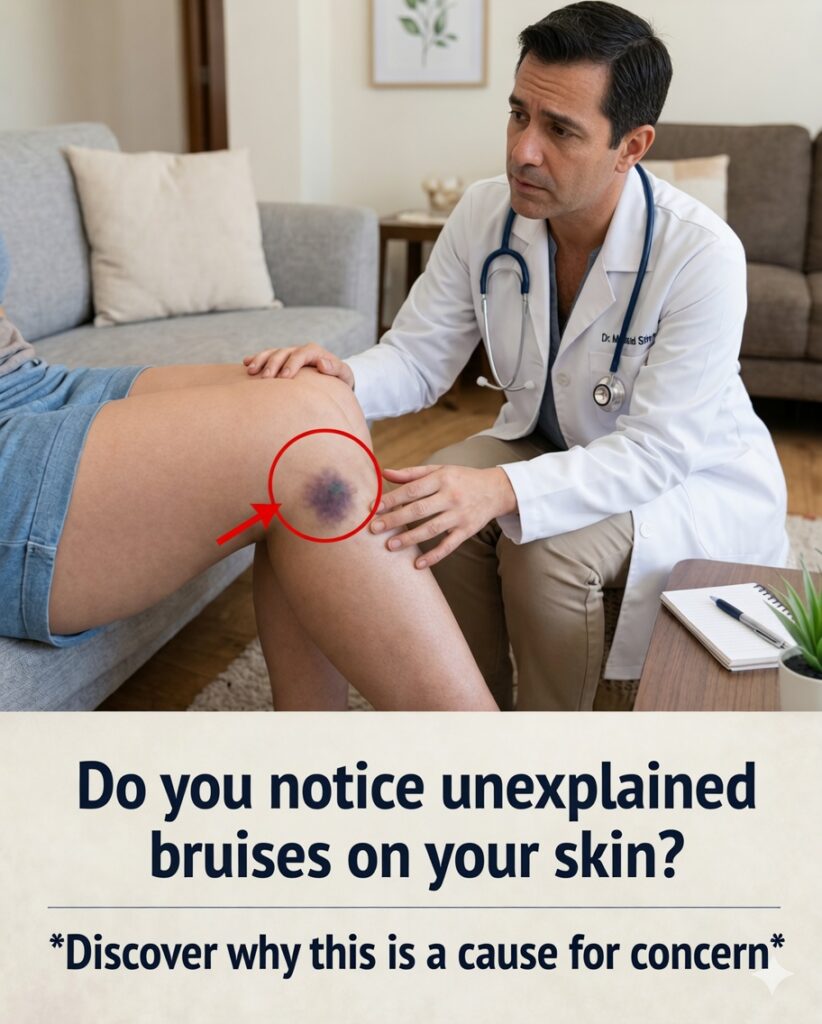
Purple Bruises for No Reason? Your Body May Be Asking for More Vitamin C — Here’s How to Support Recovery Naturally
You wake up and notice small purple or dark marks on your arm, leg, or torso. Most people assume, “It’s probably just a bruise.” But a few days later, new spots appear—without any bump, fall, or obvious injury. What felt minor can quickly turn into quiet worry. These unexplained purple spots may be your body’s way of signaling that something needs attention—yet many people dismiss them.
There’s also a practical detail many overlook: there are simple ways to tell a typical bruise from a sign that deserves medical evaluation. Understanding the difference can help you respond early and confidently.
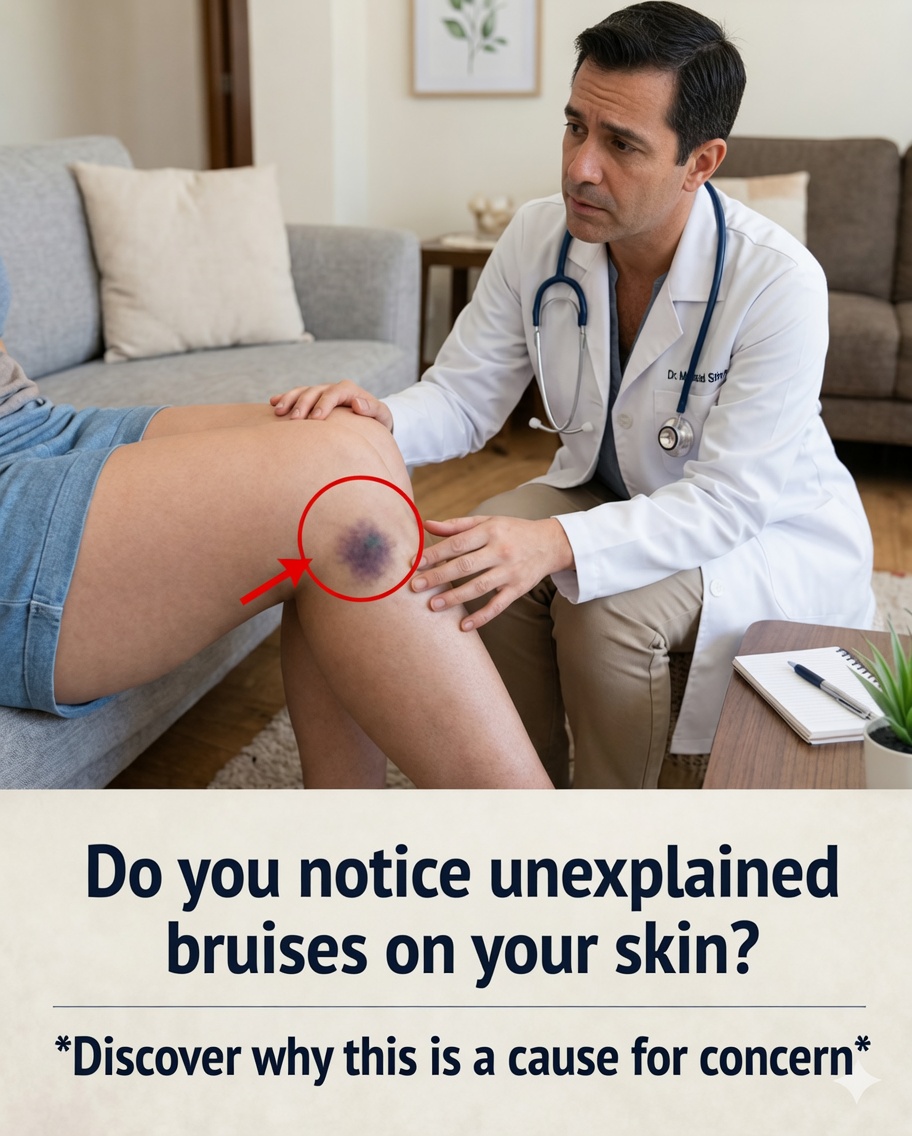
What Are Purple Spots on the Skin?
These marks often appear when tiny blood vessels under the skin break or leak, allowing blood to collect near the surface. Healthcare professionals commonly refer to them as:
- Purpura (usually smaller patches)
- Ecchymosis (larger bruise-like areas)
Unlike some rashes or irritation, these spots typically do not fade when you press on them. That’s because the discoloration is caused by blood that has already moved outside the vessels.
Most importantly, they can appear without trauma, and that’s when they deserve closer attention.
Most Common Causes of Unexplained Bruising
Purple spots aren’t always a sign of something serious, but knowing the common causes helps you make informed decisions.
1. Everyday Minor Bumps
Small impacts you barely notice can cause bruises. A typical bruise often:
- Changes color over time (purple → green → yellow)
- Fades within 1–2 weeks
2. Aging Skin and Fragile Blood Vessels
As we age, skin becomes thinner and blood vessels become more delicate. This is especially common:
- After age 60
- In sun-exposed areas (like forearms and hands)
3. Medications That Increase Bruising
Some drugs make bruising more likely, including:
- Blood thinners and anti-platelet drugs (such as aspirin or anticoagulants)
- Corticosteroids, which can weaken skin and vessels over time
If you bruise easily and take these medications, it’s worth discussing it with a clinician—never stop them on your own.
4. Low Platelet Count
Platelets support clotting. When platelet levels are low, you may notice:
- Petechiae (tiny purple dots)
- Larger bruises that appear “out of nowhere”
5. Vitamin Deficiencies (Especially Vitamin C)
Vitamin C deficiency can weaken blood vessels, making them more prone to leaking. Risk increases with:
- Low-fruit/low-vegetable diets
- Poor absorption or digestive issues
- Restrictive eating patterns
6. Infections or Autoimmune Conditions
Some infections and immune-related disorders can affect blood vessels or clotting, causing bruising that appears quickly—often alongside other symptoms.
When to Seek Medical Help
Contact a healthcare professional if you notice any of the following warning signs:
- Bruises or purple spots appear without a clear reason
- Marks grow, multiply, or spread quickly
- You also have nosebleeds or bleeding gums
- You feel unusual fatigue, fever, or joint pain
- Bruising happens frequently, especially if you use blood-thinning medications
In these situations, medical evaluation is important to identify the underlying cause.
What You Can Do at Home (Supportive, Natural Steps)
While monitoring the situation—or while waiting for an appointment—these practical habits may help support recovery and skin/vessel health:
- Cold compress: apply ice wrapped in a cloth for 10–15 minutes to reduce local bleeding under the skin
- Elevation: keep the affected area raised when possible
- Gentle protection: wear light clothing that protects the skin without tight pressure
- Increase vitamin C intake: choose foods such as citrus fruits, strawberries, and bell peppers
- Stay hydrated: hydration supports circulation and vessel function
- Track changes: take photos and note when spots appear, how they change, and whether new ones develop
These steps can support daily care, but they do not replace professional assessment when symptoms are concerning.
Final Thoughts
Most of the time, purple spots on the skin are not dangerous. However, frequent bruising or spots that appear without explanation can be an important message from your body.
A key point many people miss: with proper guidance, simple changes—like improving nutrition (especially vitamin C) or reviewing medications—may make a noticeable difference.
Paying attention to your skin today can help prevent bigger concerns tomorrow.
FAQ
Are purple spots always dangerous?
No. Many are ordinary bruises. However, spots with no clear cause should be assessed, especially if they recur.
How long do they usually last?
Most bruises fade within 1–2 weeks. If they persist, worsen, or multiply, seek evaluation.
Can diet really help?
Yes. Nutrients such as vitamin C (and also vitamin K) can support vessel health and may reduce easy bruising in some cases.
Important Notice
This content is for informational purposes only and does not replace medical advice. If you notice unusual or persistent purple spots, consult a qualified healthcare professional.