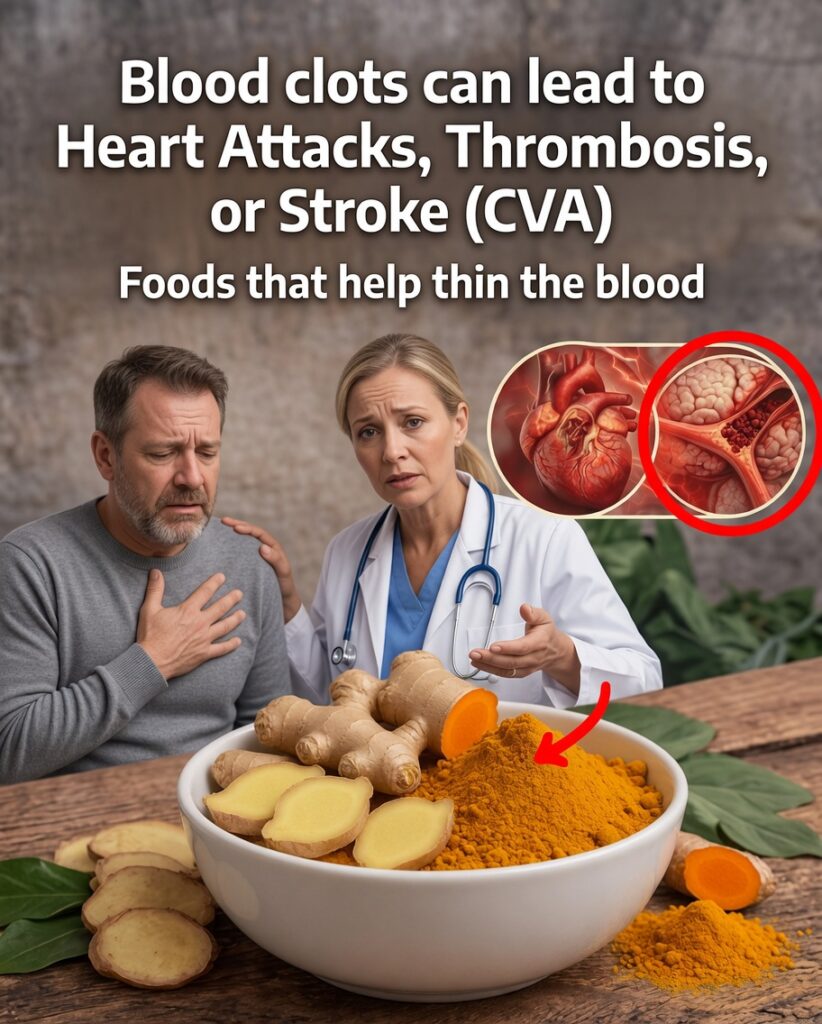
Try These Foods for 7 Days to Naturally Support Better Circulation — Your Heart May Thank You
Blood clots can contribute to serious health events such as heart attack, deep vein thrombosis, or stroke. As we get older—or when lifestyle habits aren’t the healthiest—concerns about circulation often grow, and that’s completely understandable. Knowing that everyday choices may affect heart and blood vessel health can feel stressful.
The encouraging news: certain natural foods, rich in helpful compounds, may gently support healthy blood flow when they’re part of a balanced diet.
Curious which everyday foods can help support healthier circulation? Keep reading—the last one often surprises people.
Why Good Blood Circulation Matters
Healthy circulation helps deliver oxygen and nutrients to your cells while carrying waste products away. When blood flow isn’t optimal, you may notice discomfort (like cold hands/feet or heaviness) and, over time, more serious issues can develop.
Several factors can negatively affect circulation, including inactivity, smoking, and certain health conditions. Diet is one area where small, consistent changes can make a meaningful difference.
Some foods contain anti-inflammatory and antioxidant compounds that may help support blood vessel function and healthy blood “flow.” They are not a replacement for medical care, but they can be a helpful addition to an overall heart-supportive lifestyle.
1. Garlic: Simple, Yet Powerful
Garlic is widely used in cooking and traditional wellness practices. It contains allicin, a compound studied for its potential role in supporting cardiovascular health, including effects related to platelet activity.
How to use it:
- Add raw garlic to salads, dips, or finished dishes (if tolerated)
- Roast whole cloves for a milder, sweeter flavor
- Use it regularly as part of heart-healthy meals
2. Ginger: A Warming, Revitalizing Root
Ginger provides natural salicylates, which are often linked to circulation support and overall heart-friendly eating patterns.
How to use it:
- Brew ginger tea using fresh slices
- Blend it into smoothies or stir into warm dishes
- Enjoy small pieces in modest amounts as a snack (if you like the taste)
3. Turmeric: Nature’s “Golden” Spice
Turmeric contains curcumin, known for anti-inflammatory properties and researched for its potential to support healthy blood flow.
How to use it:
- Stir into warm plant-based milk or tea
- Add to soups, stews, and curry-style dishes
- Pair with black pepper to improve absorption
4. Cayenne Pepper: A Spicy Boost
Cayenne is rich in capsaicin, which may help support circulation by influencing blood vessel relaxation and overall vascular function.
How to use it:
- Sprinkle a small pinch into soups, eggs, or roasted vegetables
- Use cautiously if you’re sensitive to spicy foods
5. Cinnamon: Flavor with Balance
Cinnamon contains coumarin, a naturally occurring compound that may influence clotting-related pathways when consumed in certain amounts.
How to use it:
- Mix into coffee, oatmeal, or yogurt
- Consider Ceylon cinnamon for frequent use
6. Omega-3 Foods (Fatty Fish)
Salmon, sardines, and mackerel are rich in omega-3 fatty acids, which are associated with heart support and may help reduce platelet “stickiness.”
How to use it:
- Aim for fatty fish about twice per week
- Try sardines on whole-grain toast for a quick meal
- Plant-based options include flaxseed and walnuts
7. Vitamin E (Nuts and Seeds)
Vitamin E acts as an antioxidant and may help protect blood vessels from oxidative stress, supporting overall vascular health.
How to use it:
- Snack on almonds, sunflower seeds, or mixed nuts
- Add seeds to salads, oatmeal, or yogurt
How to Add These Foods to Your Daily Routine
Try a simple 7-day approach by mixing and matching:
- Morning: ginger tea or turmeric tea
- Lunch: vegetables sautéed with garlic
- Snack: nuts with a sprinkle of cinnamon
- Dinner: omega-3-rich fish seasoned with turmeric or a pinch of cayenne
- All day: stay well-hydrated
Start gradually and pay attention to how your body responds over the following weeks.
Frequently Asked Questions
Do these foods replace medications?
No. They can complement a healthy diet, but they do not replace prescribed treatment. Always follow medical guidance.
Can you overdo it?
Yes. Large amounts may cause side effects or interact with certain medications. Moderation matters—especially if you take blood thinners or have a medical condition.
How soon will I notice results?
Changes are usually gradual. Consistency—along with overall lifestyle habits—tends to matter more than quick fixes.
Important Notice
This content is for informational purposes only and is not a substitute for medical advice. Consult a healthcare professional before making dietary changes, especially if you take medication or have any health conditions.