
Natural Foods That May Support Healthy Blood Pressure
For many people, keeping blood pressure within a healthy range is an important part of overall well-being. When blood pressure runs high, it can gradually influence energy levels, everyday comfort, and long-term cardiovascular health. Because of that, making the right lifestyle choices can sometimes feel complicated.
The encouraging part is that a few nutrient-dense foods may help support heart health in a simple, natural way. Ingredients such as garlic, turmeric, ginger, and artichoke are often discussed for their potential role in promoting healthy circulation and vascular function.
This guide looks at practical ways to include these foods in your routine, along with general research findings that may help you make informed decisions.
Blood Pressure and Artery Health: The Basics
Blood pressure is the force of blood pressing against the walls of your arteries. When it stays in a healthy range, circulation works more efficiently and the heart does not have to work as hard. Everyday factors such as nutrition, physical activity, and stress levels can all affect it.
Arteries are responsible for moving oxygen-rich blood throughout the body. Supporting their flexibility and condition through healthy eating may encourage smoother blood flow. Research often points to foods rich in antioxidants and anti-inflammatory compounds as helpful for vascular wellness.
There is more to the picture, though. Let’s explore a few specific foods that studies suggest may offer benefits.

Garlic: A Time-Tested Choice for Circulation
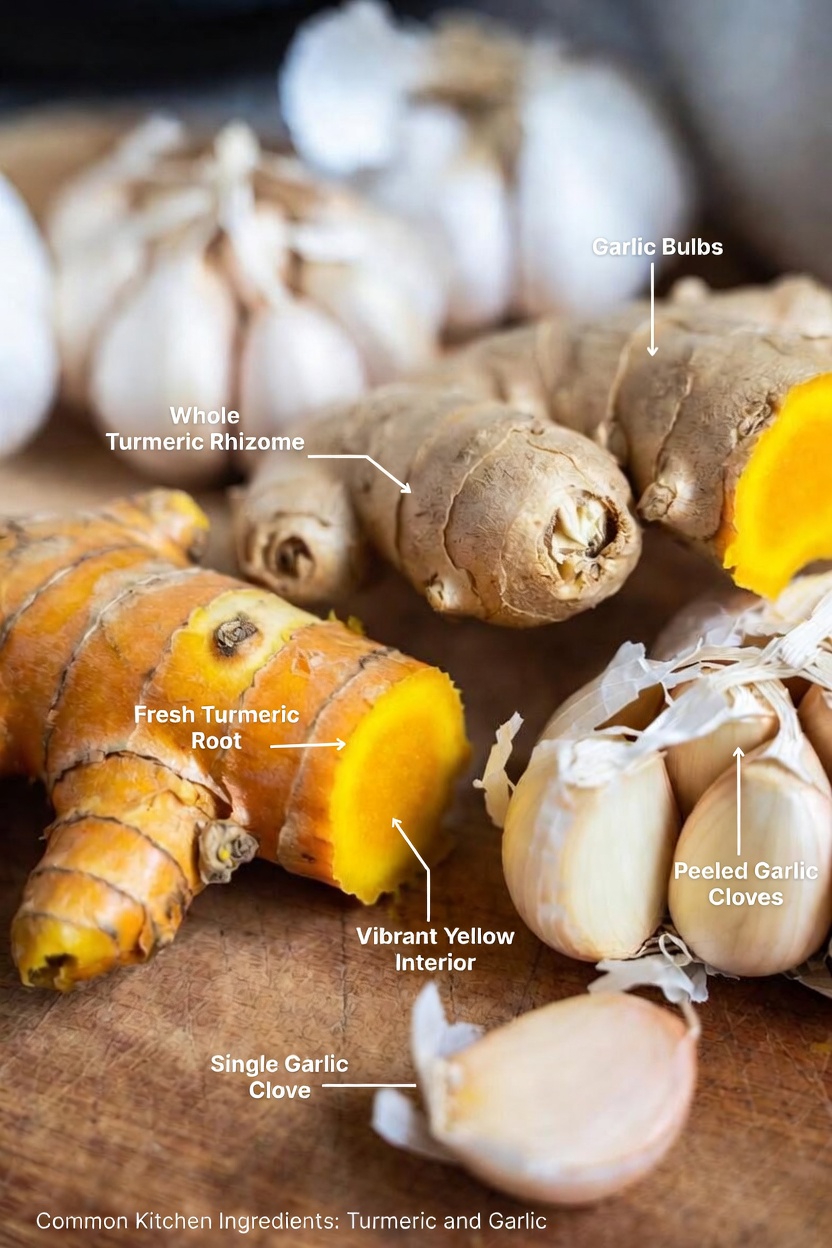
Garlic has long been used in traditional diets and wellness practices for its possible cardiovascular advantages. One of its most talked-about compounds is allicin, which develops when garlic is chopped or crushed.
A number of studies, including meta-analyses, suggest that garlic or garlic-based supplements may help blood vessels relax and support healthier blood pressure levels. Some findings show small but meaningful improvements in both systolic and diastolic pressure, especially in people who already have elevated readings.
Garlic may also contribute to improved cholesterol balance by helping reduce total cholesterol and LDL cholesterol, while also supporting overall blood vessel function.
Easy ways to use more garlic
- Crush fresh garlic cloves and leave them for about 10 minutes before cooking to help maximize allicin formation.
- Add 1 to 2 cloves a day to soups, stir-fries, sauces, or salad dressings.
- Roast whole garlic bulbs for a softer, sweeter taste that blends easily into meals.
Turmeric: The Golden Spice for Inflammation Support
Turmeric is widely recognized for curcumin, its active compound known for strong anti-inflammatory properties. Since inflammation can gradually affect artery walls, reducing it may help maintain healthier blood vessels over time.
Research reviews indicate that curcumin may support endothelial function, which refers to the health of the inner lining of blood vessels. Better endothelial function is linked to improved circulation and blood flow. Some studies also connect turmeric to mild support for blood pressure and reduced oxidative stress.
One important point is absorption. Curcumin is often better absorbed when paired with black pepper, thanks to a compound called piperine.
Simple ways to enjoy turmeric
- Stir 1 teaspoon into curries, soups, rice dishes, or golden milk.
- Blend it into smoothies with a pinch of black pepper.
- Grate fresh turmeric root into tea, broth, or warm dishes.
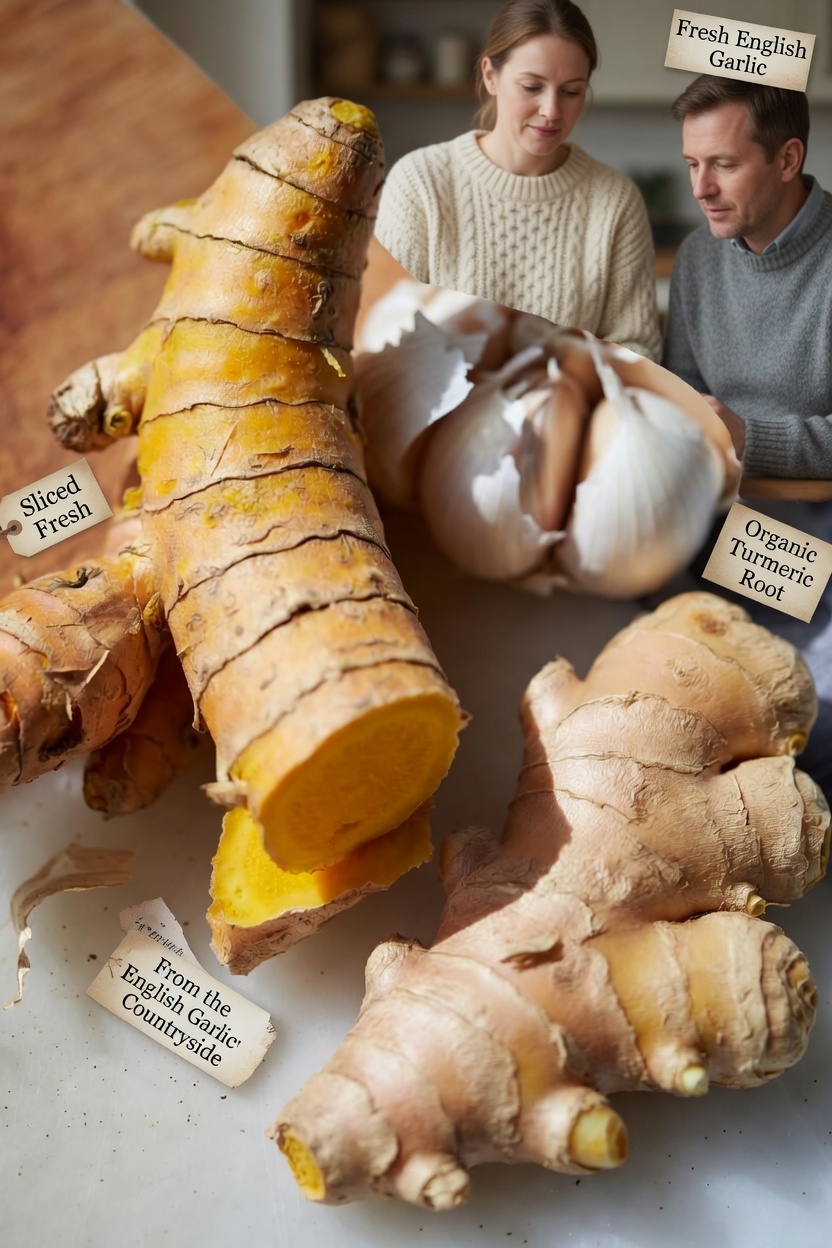
Ginger: Gentle, Warming Support for Blood Flow
Ginger adds both flavor and potential wellness benefits. Natural compounds such as gingerol are thought to help support circulation by encouraging blood vessels to relax.
Meta-analyses of clinical studies have linked ginger supplementation with favorable effects on blood pressure in certain groups, particularly when used regularly over time. In addition to that, ginger offers anti-inflammatory properties that fit well into a heart-conscious eating pattern.
Easy ways to include ginger
- Steep fresh grated ginger in hot water for a simple tea.
- Add slices or grated ginger to stir-fries, juices, and smoothies.
- Use ground ginger in oatmeal, baked recipes, or warm breakfast bowls.
Artichoke: An Unexpected Vegetable for Cholesterol Support
Artichoke may not be the first food people think of for heart health, but it has some interesting nutritional qualities. Artichoke leaves contain compounds such as cynarin, which may help support liver function and cholesterol metabolism.
Some studies on artichoke leaf extract suggest it may help lower total cholesterol and LDL cholesterol. Although research is more limited, there are also indications of modest blood pressure support in certain populations.
Artichokes also provide fiber and antioxidants, making them a valuable addition to an overall wellness-focused diet.
Ways to add artichoke to your meals
- Steam fresh artichoke hearts and serve them as a side dish.
- Add canned or frozen artichokes to salads, pasta, dips, or grain bowls.
- Consider artichoke tea or supplements if fresh options are unavailable, but consult a healthcare professional first.
Simple Recipe: Golden Wellness Juice
This easy drink brings together several of the featured ingredients for a fresh and flavorful daily option.
Ingredients for 2 servings
- 2 carrots
- 1-inch piece of fresh turmeric, or 1 teaspoon turmeric powder
- 1-inch piece of fresh ginger
- 2 garlic cloves
- 1/2 lemon
- Optional: a handful of mint leaves
- Optional: 1 cooked artichoke heart
How to make it
- Wash and chop all ingredients.
- Juice everything together, or blend and strain if needed.
- Add the lemon juice at the end for a brighter flavor.
- Serve fresh, ideally in the morning.
If these flavors are new to you, begin with smaller amounts and adjust based on your preference.
Tips for Using These Foods Regularly
Adding heart-supportive foods works best when it becomes part of your normal routine. These tips can help:
- Rotate ingredients to keep meals varied and enjoyable.
- Pair with healthy fats like olive oil or avocado to support absorption of fat-soluble compounds.
- Drink enough water, since hydration also plays a role in healthy circulation.
- Watch portion sizes, especially with strong ingredients like garlic, which may cause digestive discomfort in excess.
Why These Foods Matter in the Bigger Picture
A heart-friendly eating pattern is about more than a single ingredient. It usually emphasizes whole foods, fewer highly processed products, and balanced nutrition. Garlic, turmeric, ginger, and artichoke all fit naturally into approaches such as the Mediterranean diet, which research often associates with better cardiovascular outcomes.
For best results, nutrition should be combined with other healthy habits, including:
- regular exercise
- good sleep
- stress management
- consistent hydration
Conclusion
Garlic, turmeric, ginger, and artichoke can offer flavorful and practical ways to support cardiovascular wellness naturally. Even small daily additions may help build habits that are sustainable, enjoyable, and aligned with long-term heart health.
Pay attention to how your body responds, and seek professional advice if you need a plan tailored to your specific needs.
FAQ
Can I eat these foods if I am taking blood pressure medication?
Many people do include them safely in their diets, but some ingredients, especially garlic and ginger, may interact with certain medications. It is best to speak with your doctor before increasing your intake significantly.
How much should I use each day?
A gentle starting point may be:
- 1 to 2 garlic cloves
- 1 teaspoon turmeric
- 1-inch piece of fresh ginger
Increase gradually depending on your tolerance and preferences.
Are supplements better than fresh foods?
Fresh foods provide a wider range of nutrients and are often a good first choice. Some studies use extracts because they are more concentrated, but whole foods usually offer broader nutritional value with fewer concerns for most people.