Garlic’s Strong Reputation: What It Actually Does
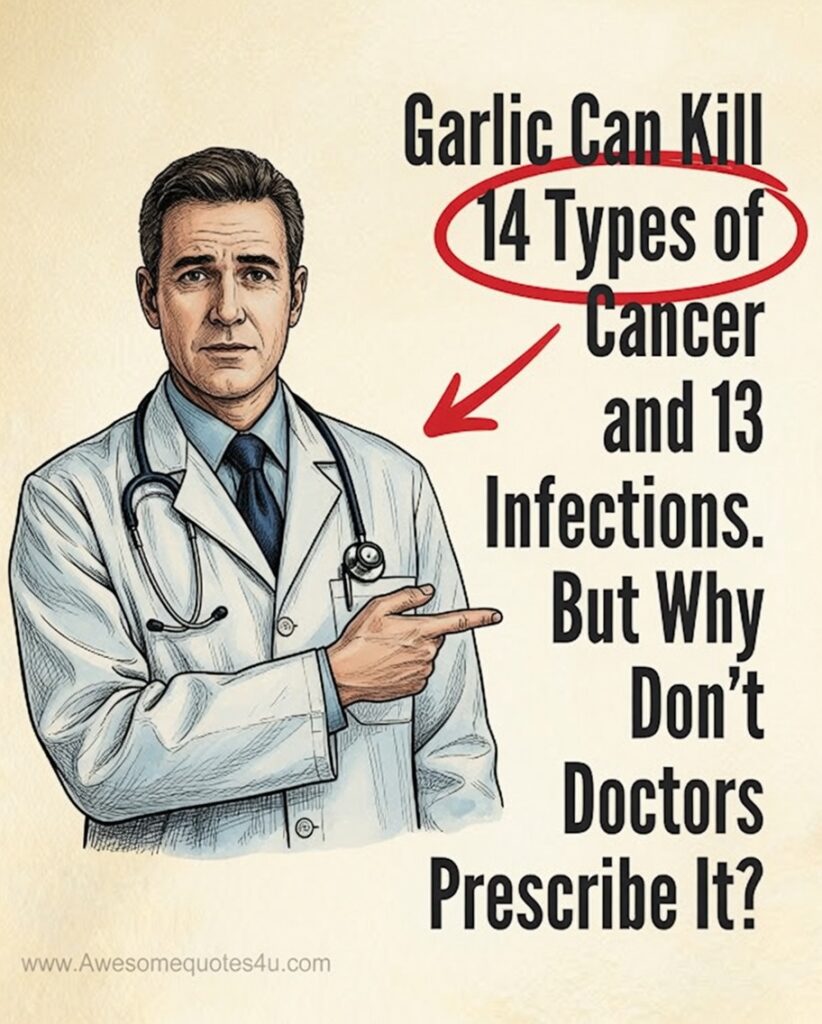
Garlic has been used in everyday cooking and traditional home remedies for centuries. You’ve probably heard dramatic claims—such as garlic “curing” cancer or eliminating infections—and wondered: if it’s that powerful, why don’t doctors prescribe it?
Garlic does contain compounds that scientists find genuinely interesting. Still, the evidence in humans is far more complex than many headlines suggest. Knowing what research supports, what remains uncertain, and how to use garlic safely helps you make practical, informed health decisions.
What Makes Garlic So Interesting to Researchers?
Garlic is rich in organosulfur compounds, which are responsible for many of its studied biological effects. The best-known is allicin—but allicin isn’t present in an intact clove. It forms only after you crush or chop garlic, when an enzyme reaction is triggered. That process also creates garlic’s distinctive aroma.
In lab studies (test tubes) and animal experiments, garlic-related compounds have been observed to:
- Influence inflammation pathways
- Slow the growth of certain cells under controlled conditions
- Interfere with the behavior of some microbes (such as bacteria and fungi)
These findings are important as early research—but they don’t automatically translate into real-world medical treatments. Lab experiments often use concentrations far higher than what people can realistically consume in food, and the human body digests and transforms these compounds in ways that can reduce or alter their effects.
Garlic and Cancer: Encouraging Signals, Not a Treatment
You may see statements online claiming garlic can “kill” many types of cancer. What the evidence actually shows is more careful.
What research suggests
- In laboratory settings, garlic extracts and related sulfur compounds can sometimes slow the growth of certain cancer cells or trigger processes that cause abnormal cells to die.
- This has led to research interest in cancers of the digestive system (such as stomach and colorectal cancer), as well as breast, prostate, and other cancers.
What population studies show (with limitations)
Some observational studies have found that people who regularly eat garlic and other allium vegetables (like onions and leeks) may have a slightly lower risk of certain cancers. However, these studies can’t prove cause and effect. People who eat more garlic may also:
- Eat more vegetables overall
- Exercise more
- Smoke less
- Have other health-supportive habits
Because of these confounding factors, it’s difficult to isolate garlic’s specific impact.
Why doctors don’t prescribe garlic for cancer
When researchers look at the strongest type of evidence—well-controlled clinical trials in humans—the results are not strong enough to conclude that garlic treats cancer or can replace proven therapies. Garlic has not met the medical standards required to demonstrate consistent benefit and safety in real patients in the way approved cancer treatments must.
Garlic can still be valuable—just in the right role: as part of an overall healthy diet, not as a cure. It may support wellness indirectly by making nutritious home cooking more appealing and helping reduce reliance on highly processed foods.
Garlic and Infections: Strong Lab Data, Limited Clinical Proof
Garlic is also known for antimicrobial research findings. In test tubes, its compounds can reduce or interfere with the growth of some:
- Bacteria
- Fungi
- Certain viruses (in limited contexts)
This is one reason garlic is often described as something that can “fight infections,” and it’s an area scientists continue to explore—especially as antibiotic resistance becomes a bigger global issue.
What garlic cannot replace
A lab result is not the same as a safe, reliable medical treatment in humans. For serious infections—such as:
- Pneumonia
- Urinary tract infections
- Deep skin infections
Garlic should not be used as a substitute for medical care. Accurate diagnosis and appropriate treatment (including antibiotics when needed) can be lifesaving.
Garlic and colds
Some small studies suggest garlic might modestly reduce cold frequency or severity for certain people, but findings are mixed and not consistently reproducible. The most evidence-based ways to reduce infection risk remain:
- Hand hygiene
- Vaccination when recommended
- Adequate sleep
- Stress management
Why Isn’t Garlic Commonly Prescribed by Doctors?
Even though garlic shows promise in early research, there are several practical reasons it isn’t typically prescribed as a medical therapy.
1) Evidence standards are much higher for prescriptions
Approved medications require large, rigorous human trials showing clear benefits that outweigh risks. Garlic research is intriguing, but it hasn’t reached that level for treating cancer or infections.
2) Dosing is inconsistent
Garlic isn’t uniform. The “dose” of active compounds can change significantly depending on:
- Clove size
- Whether it’s crushed, chopped, or left whole
- Cooking method, temperature, and timing
- Differences between supplement brands
Without consistent dosing, it’s difficult to predict results reliably from person to person.
3) Safety concerns in specific situations
Garlic is generally safe as food, but it can cause problems for some individuals, including:
- Drug interactions, especially with blood thinners or medications affecting platelets
- Higher bleeding risk around surgeries or certain dental procedures
- Digestive discomfort (heartburn, reflux, stomach upset) in sensitive people
- Skin irritation or burns from applying raw garlic directly to the skin for extended periods (a higher risk in older adults or fragile skin)
Healthcare professionals prioritize treatments with well-established dosing, effectiveness, and safety—particularly for people with chronic conditions or multiple medications.
How to Use Garlic Safely (and Get the Most Value From It)
A practical guideline is food first. Using garlic regularly in cooking is a simple, sustainable way to include it in a health-supportive diet.
A simple preparation tip
If you use fresh garlic:
- Crush or chop the clove
- Let it rest for about 10 minutes before cooking
This resting period allows the enzyme reaction that forms allicin to occur. If you cook garlic, using moderate heat or adding it later in the cooking process can help preserve more sensitive compounds while keeping flavor strong.
Cooked vs. raw garlic
Many people tolerate cooked garlic more easily, and it still contributes flavor and beneficial plant compounds. Roasted garlic, for instance, becomes mild and slightly sweet—easy to mix into soups, stews, or spreads.
If raw garlic upsets your stomach, there’s no need to force it. Consistency matters more than extreme amounts.
What About Garlic Supplements?
Some people choose products like aged garlic extract or garlic capsules. Keep in mind:
- Supplements are not regulated as strictly as prescription drugs
- Potency and quality can vary widely by brand
- The “effective” dose for specific outcomes is often unclear
If you take medications (especially blood thinners) or have a planned surgery, it’s wise to discuss supplements with a healthcare professional to reduce the risk of interactions or bleeding complications.