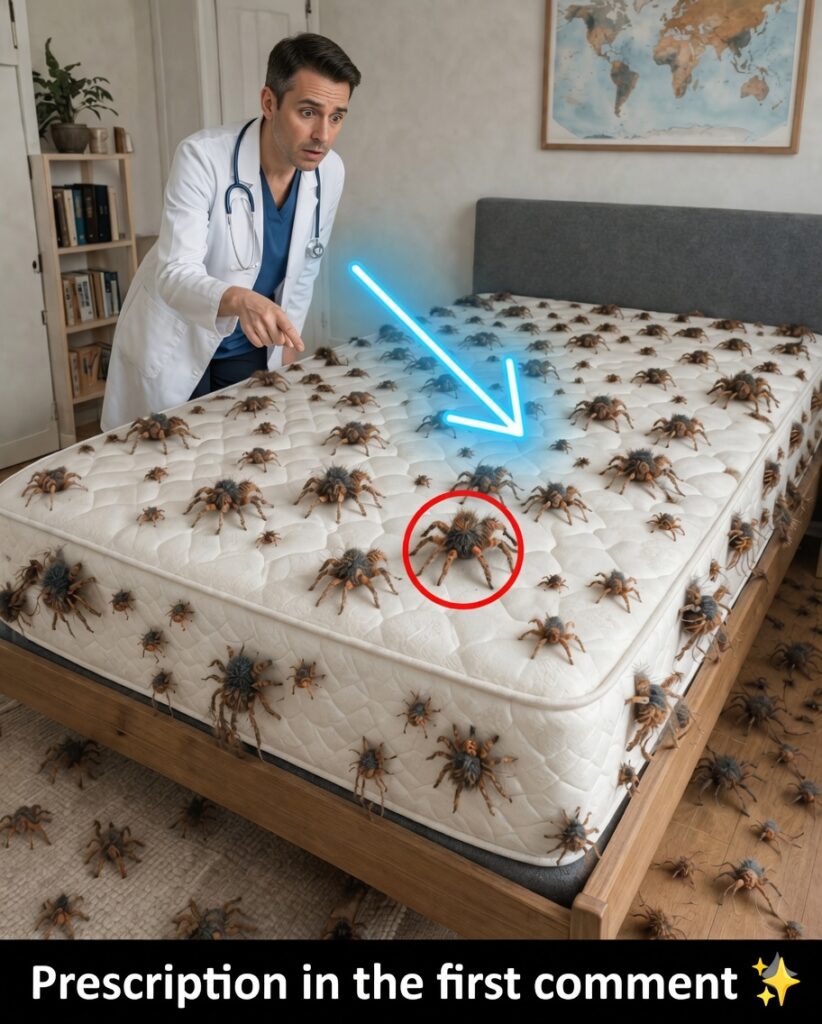
Your Bedroom Might Be Making You Sick Without You Realizing It—Learn How to Get Rid of Dust Mites and Ease Allergies Fast
Waking up every morning with a blocked nose, irritated eyes, and nonstop sneezing can leave you drained before the day even starts. Often, the culprit isn’t “just allergies”—it’s dust mites hiding in your mattress and bedding. These microscopic pests can quietly trigger symptoms and turn your bed (which should feel restorative) into a nightly source of discomfort.
When sleep quality drops, everything else can follow: mood, focus, energy levels, and overall quality of life.
The good news: a few simple daily and weekly habits can make a big difference. Keep reading to the end for a practical combination many people find surprisingly effective.
8 Practical Ways to Reduce Dust Mites in Your Bed
Dust mites thrive in warm, humid environments and feed on dead skin cells. The best part? You don’t need expensive products or harsh chemicals to reduce them—consistent routines work.
1. Use Dust-Mite-Proof Covers for Mattresses and Pillows
Itchy skin, nighttime congestion, or breathing discomfort can be miserable. Allergen-proof encasements create a physical barrier that limits dust mite buildup and reduces your exposure while you sleep.
- Choose covers with a tight weave and a zippered closure
- Wash them regularly for better results
2. Wash Bedding Weekly in Hot Water
Constant congestion is exhausting, and bedding is one of the biggest dust mite hotspots. Washing sheets, pillowcases, and blankets in water above 54°C (130°F) helps remove mites and their allergen particles.
If hot-water washing isn’t possible:
- Use a dryer on high heat for at least 15 minutes to help reduce mites
3. Vacuum the Mattress Regularly (Use a HEPA Filter)
Dust and allergens build up over time and can worsen allergy symptoms. Vacuuming the mattress helps reduce surface allergens.
- Aim for at least once a month
- Increase frequency if symptoms flare up
4. Keep Bedroom Humidity Under Control
Humidity creates ideal conditions for dust mites. Keeping indoor humidity below 50% makes it harder for them to survive and multiply.
- Use a dehumidifier or air conditioner
- Track levels with a hygrometer
5. Air Out Bedding and Use Sunlight When Possible
Trapped moisture in fabrics supports dust mite growth. Fresh air and sunlight help dry bedding and reduce mite-friendly conditions.
- On sunny days, place bedding outdoors for a few hours
6. Steam-Clean Upholstery and Carpets
Dust mites don’t live only in the bed—they also hide in nearby fabrics like rugs, upholstered furniture, and carpeting. Steam cleaning uses high heat that can significantly reduce mites.
- Do a deeper steam clean every few months
7. Cut Down on Dust-Collecting Items
Stuffed animals, decorative pillows, and heavy curtains are common dust traps and convenient hiding places for mites.
- Simplify the bedroom setup
- Choose items that are easy to wash
8. Use an Air Purifier with a HEPA Filter
Airborne allergens can keep symptoms going even after you clean. A HEPA air purifier continuously captures microscopic particles that can irritate your nose and eyes.
- Place it near the bed
- Run it overnight for consistent support
Extra Tips That Can Help
- Wipe surfaces with a damp cloth to avoid kicking dust back into the air
- Freeze non-washable items for 24 hours to help kill mites
- Wait 30 minutes after waking before making the bed to let moisture dissipate
Start Today (Without Overwhelm)
If you’re tired of allergy symptoms, you don’t need to change everything at once. Begin with a few high-impact steps:
- Use allergen-proof covers
- Wash your bedding this week
- Reduce humidity in the room
Even combining two or three of these strategies can lead to noticeable improvements.
Conclusion: A Cleaner Bed Can Mean Better Sleep and Fewer Allergies
Reducing dust mites can dramatically improve your nights and support better daily wellbeing. While it’s hard to eliminate dust mites completely, steady habits make your bedroom healthier over time.
The most effective simple combo for many people is:
- Dust-mite-proof covers
- Weekly hot-water washing
- Humidity control
This approach is straightforward and often linked to major symptom relief.
Frequently Asked Questions
What are dust mites, and why do they disrupt sleep?
Dust mites are microscopic organisms that feed on shed skin cells. Their waste and debris can trigger allergies, leading to congestion, sneezing, irritated eyes, and poor sleep.
Can you get rid of dust mites completely?
Not entirely—but you can reduce them significantly with regular cleaning and humidity management.
When should you see a doctor?
If you have ongoing symptoms such as persistent coughing, shortness of breath, wheezing, or chronic fatigue, consult a healthcare professional.
Disclaimer: This content is for informational purposes only and does not replace medical advice. Speak with a qualified healthcare professional before making changes—especially if you have allergies, asthma, or other health conditions.