Early Detection Means Easier Treatment and Better Survival — Are You Paying Attention?
You’re standing in front of the mirror after a shower, steam still fogging the glass, when you notice something unusual as you dry off: a slight nipple pull inward, a faint patch of redness, or a newly firm area under the skin. Many women brush off signs like these, blaming aging, stress, or hormone shifts. But what if your body is trying to warn you about something serious? Paying attention to small changes can make a life-changing difference—keep reading, because this information could truly save your life.
Why Do So Many Women Overlook These Warning Signs?
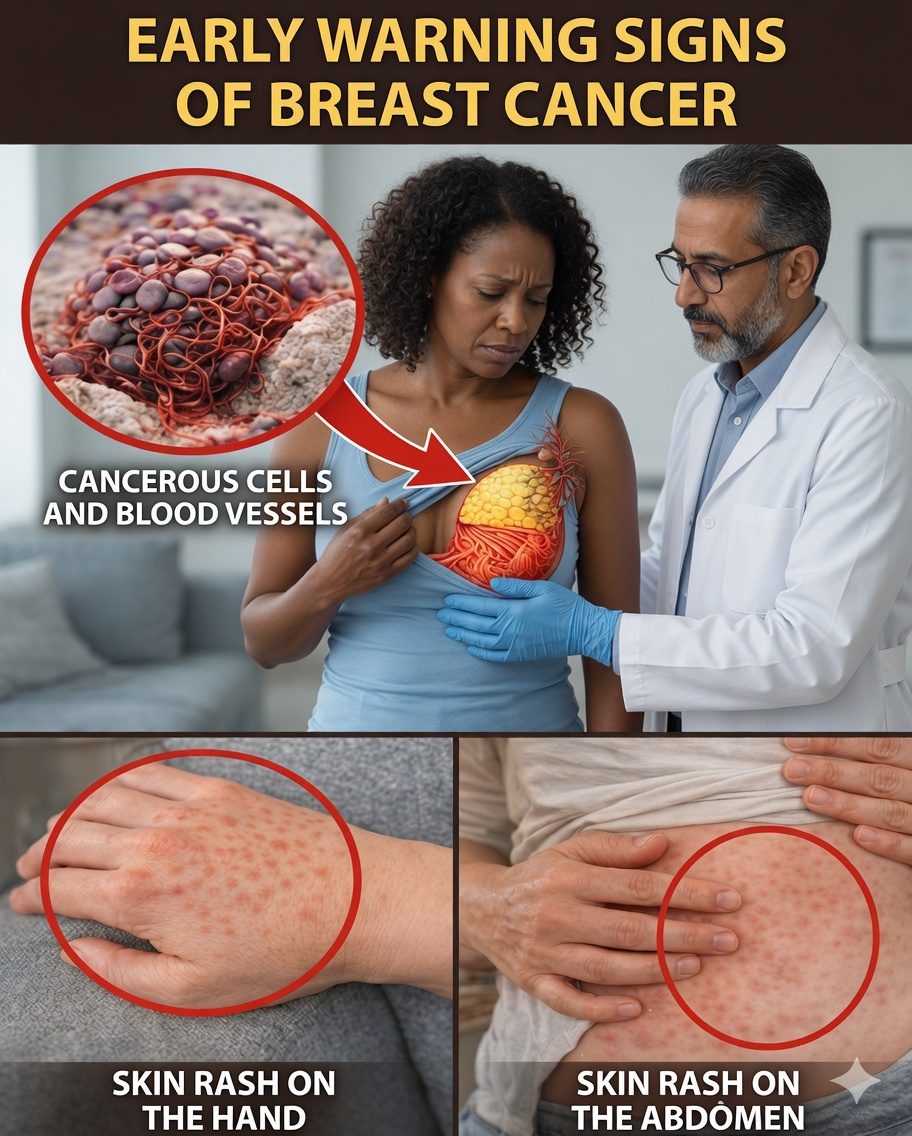
When breast cancer is found early, survival rates are very high. Even so, many women are diagnosed later than they should be—often due to fear, embarrassment, or skipping regular checkups. The challenge is that a tumor can grow quietly for years while sending subtle signals, such as:
- Skin changes
- Unexpected nipple discharge
- Swelling
- Ongoing discomfort or tenderness
Have you ever noticed a small lump and told yourself it was nothing? These signs deserve prompt attention. To make it easier, here are **10 commonly ignored symptoms—ranked from less alarming to most urgent—**so you can recognize them quickly.
The 10 Most Ignored Breast Cancer Signs (From 10 to 1)
10. Changes in breast size or shape
One breast may appear larger, firmer, or more uneven than usual without a clear reason.
9. Changes in skin texture
The skin may look dimpled, wrinkled, or take on an “orange peel” appearance.
8. Persistent itching or irritation
It doesn’t go away and stays focused in one specific area.
7. A hardened area that feels like a small ball
A lump that feels fixed, irregular, and doesn’t move easily under the fingers.
6. Ongoing pain in the breast or nipple
Unlike typical cycle-related tenderness, this discomfort doesn’t improve over time.
5. Partial or complete breast swelling
A sensation of heaviness, warmth, or redness—even without fever.
4. Nipple retraction
The nipple begins turning inward or looks newly “pulled in.”
3. Redness, flaking, or thickened skin
It can resemble an allergy, rash, or dermatitis—yet persists.
2. Nipple discharge (not related to breastfeeding)
Discharge may be clear, yellowish, or blood-tinged.
1. Swollen lymph nodes (armpit or near the collarbone)
Small lumps in these areas can be a sign the disease is spreading.
When to Act—and What to Do Next
Noticing symptoms is only step one. Here’s how to respond:
- A new lump: seek medical evaluation within 1–2 weeks.
- Unusual nipple discharge: consult a specialist immediately.
- Skin changes: ask about screening tests such as mammography or ultrasound.
- Several symptoms at once: seek urgent medical care.
Do not “wait and see” or assume it will resolve on its own.
How to Protect Yourself Starting Today
You can take practical steps right now:
- Do a monthly breast self-exam.
- Look for visible changes in the mirror.
- Use circular motions to feel the breast with light, medium, and firm pressure.
- Get a yearly mammogram after age 40 (or earlier if you have a family history).
- Support overall health with balanced nutrition, regular exercise, and moderate alcohol intake.
Most importantly: listen to your body. Any change that persists deserves attention.
Conclusion
A hard lump, abnormal nipple discharge, and swollen lymph nodes are strong warning signs that should never be ignored. Early detection can mean simpler treatment and a much better chance of cure.
What if you started taking better care of yourself today?
Frequently Asked Questions
When should I start getting mammograms?
Most guidelines recommend annual mammograms starting at age 40. If you have a strong family history, your doctor may advise starting earlier.
Is every breast lump cancer?
No. Most lumps are benign, but any new lump should always be evaluated by a healthcare professional.
How do I do a breast self-exam correctly?
Check for visual changes in the mirror, then palpate using circular motions with three levels of pressure. Repeat monthly.
This content is for informational purposes only and does not replace professional medical advice. Always consult a qualified healthcare provider for proper evaluation.