Blurry Vision or Dry Eyes? Meet the Omega-3–Rich Seed That May Support Everyday Eye Comfort
As the years go by, many people start noticing subtle shifts in their eyesight. Small print may feel harder to read, driving at dusk can become more challenging, and recognizing faces from a distance might take extra effort. While these changes are often part of normal aging, they can still bring worry—and a sense of losing independence.
The encouraging news is that simple, daily nutrition choices can gently support eye health. One tiny seed, packed with valuable nutrients and naturally rich in omega-3s, has gained attention among people who want a more natural approach to caring for their vision. It’s also easy to add to your routine—keep reading to learn how.
Why Eye Health Matters Even More After 60
Your eyes work hard every day for decades. After age 60, the retina—the light-sensitive layer at the back of the eye—can become more vulnerable to oxidative stress and environmental factors. As a result, it’s common to experience symptoms such as:
- Dry, irritated eyes
- Mild blurry vision
- Increased sensitivity to light
Research suggests that certain nutrients may help maintain retinal function and improve overall visual comfort. Two key categories often discussed are:
- Omega-3 fatty acids, which support healthy cell membranes and may help regulate inflammation
- Antioxidants, which help defend against free radicals that accumulate over time
This is where chia seeds come in.
What Makes Chia Seeds Stand Out for Vision Support?
Chia seeds are among the best plant-based sources of alpha-linolenic acid (ALA), a form of omega-3. Just two tablespoons can provide roughly 5 grams of ALA.
They also contain several nutrients that support overall wellness, including:
- Fiber (around 10 g per serving), supporting digestion and better metabolic balance
- Antioxidants (including compounds such as quercetin), which help counter oxidative stress
- Important minerals, such as calcium, magnesium, and zinc
Another practical advantage: chia absorbs liquid and forms a gentle gel, which many people find easy to eat and digest.
How These Nutrients May Help Your Eyes
The retina contains high concentrations of DHA, a fatty acid that can be derived from omega-3 intake. Getting enough omega-3s supports the structure and function of ocular cells.
Meanwhile, the antioxidants found in chia may help protect the delicate tissues of the eyes from everyday wear. No single food is a cure-all, but adding chia seeds can be a meaningful step within a balanced lifestyle focused on long-term eye health.
Easy Ways to Add Chia Seeds to Your Daily Routine
Here are practical, safe methods to get started:
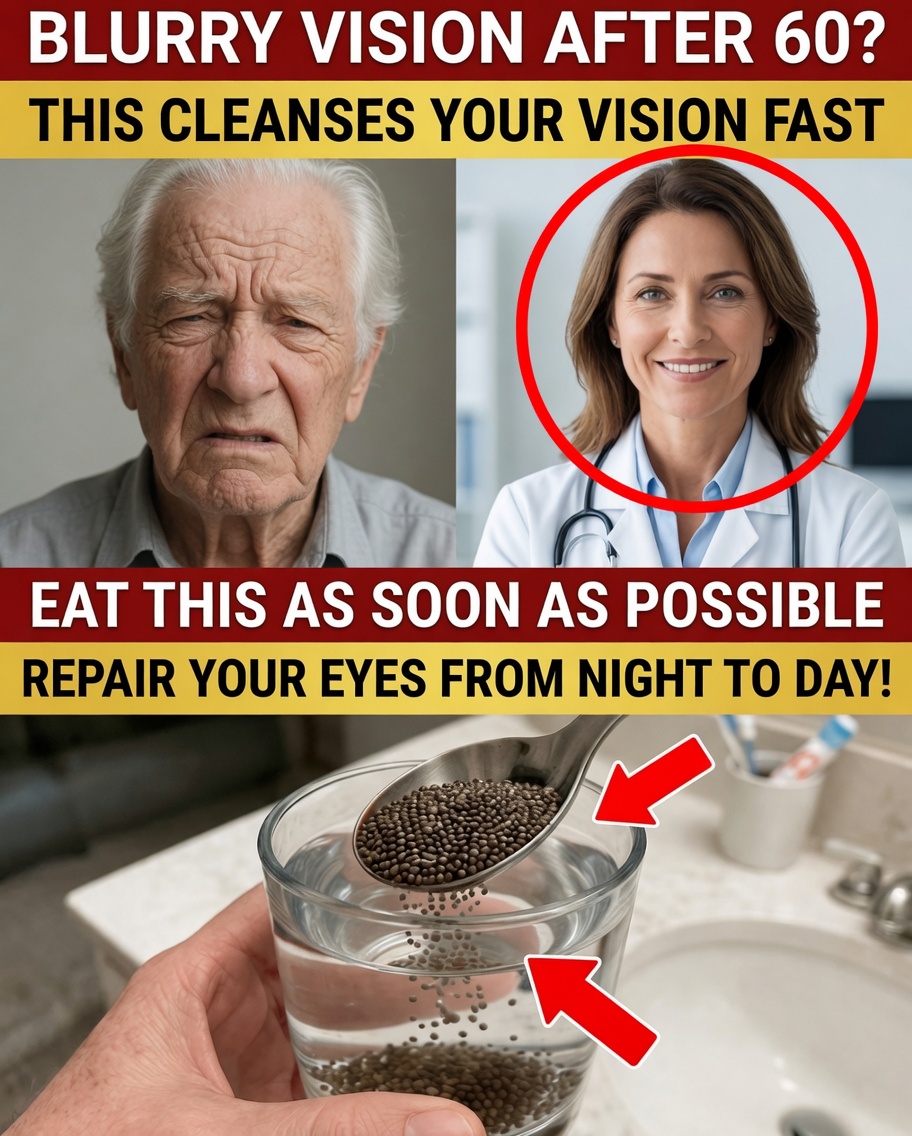
- Start small: begin with 1 teaspoon per day, then gradually increase to 1–2 tablespoons
- Soak them first: stir into water or plant-based milk for 10–15 minutes
- Breakfast boost: mix into yogurt, oatmeal, or smoothies
- Chia pudding: combine with milk and refrigerate overnight
- Cooking and baking: add to pancakes, muffins, or sprinkle over salads
Tip: Because chia is high in fiber, drink enough water, especially as you increase your intake.
Habits That Can Enhance the Benefits
For better results, pair chia with other eye-friendly habits:
- Eat more colorful fruits and vegetables (often rich in lutein and other carotenoids)
- Maintain good hydration
- Wear UV-protective sunglasses outdoors
- Schedule regular eye exams
- Keep blood pressure and blood sugar well managed
What Results Should You Expect?
Many people notice improved digestion and steadier energy within a few weeks. Eye-related benefits typically develop more gradually and may depend on consistent use over time.
Choose high-quality chia seeds and store them in a cool, dry place to maintain freshness.
Important: If you take medications—especially blood thinners (anticoagulants)—speak with a healthcare professional before making significant dietary changes.
Frequently Asked Questions
-
How much chia should I eat per day?
Most recommendations fall between 1 and 2 tablespoons daily. -
Can chia replace medications or eye treatments?
No. Chia is a dietary support, not a substitute for medical care or prescribed treatment. -
Are there side effects?
Some people experience mild bloating at first. Increase your intake slowly and stay well hydrated. -
Do I need to grind chia seeds?
It’s not required, but grinding may help with absorption for some individuals.
Final Thoughts
Supporting your health doesn’t have to be complicated. Small, consistent actions—like adding chia seeds to your meals—can contribute to better balance and well-being as you age.
With steady habits and routine medical follow-up, you can help protect your vision and maintain independence for longer. Starting today is a gift your future self will appreciate.
Disclaimer: This content is for informational purposes only and does not replace medical advice. Consult a qualified healthcare professional before changing your diet, especially if you have pre-existing conditions or take medications.