Raw Garlic Every Day? How This Simple Ingredient May Help Your Body Fight Bacteria Naturally
You’ve probably seen bold posts online claiming garlic can wipe out a specific number of bacteria and infections. With so much health content circulating, it’s normal to wonder: is this real science—or just another overhyped headline? When you’re looking for natural ways to support daily wellness, separating facts from myths can be challenging. The good news is that garlic has been studied scientifically—and this article breaks down what we actually know in a balanced, evidence-based way.
There’s an interesting twist, though: while those exact numbers aren’t supported by solid research, the story behind garlic’s natural compounds is even more compelling—and may completely change how you view this everyday ingredient.
What Makes Garlic So Special?
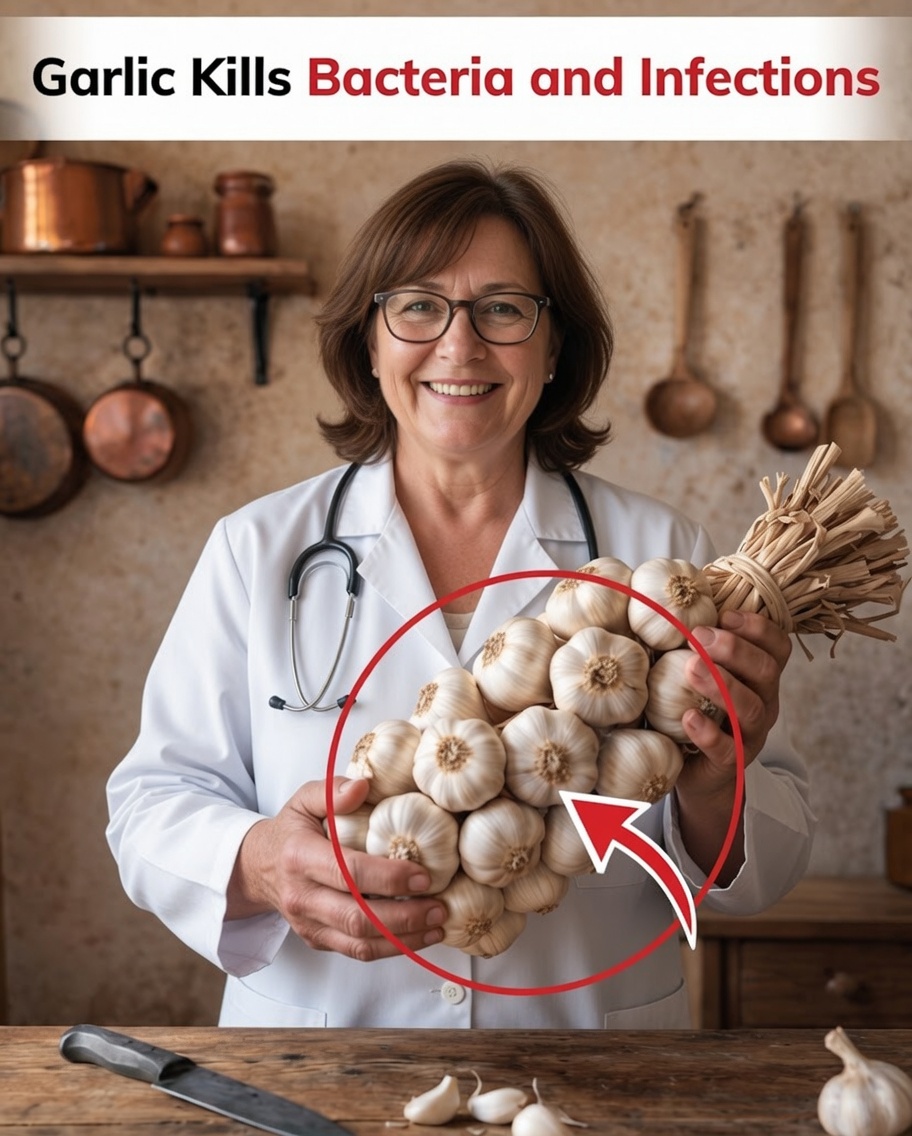
Garlic (Allium sativum) has been used for centuries not only as food, but also as a traditional natural support for health. When a clove is crushed or chopped, a chemical reaction occurs: the enzyme alliinase converts alliin into allicin, a sulfur-rich compound linked to many of garlic’s potential benefits.
Laboratory research suggests allicin can disrupt essential bacterial processes, making it harder for bacteria to function and grow. This is why garlic has attracted attention for its possible antibacterial properties.
That said, context matters. Most of the evidence comes from in vitro (lab) studies or animal research. Human studies are still limited, and outcomes can vary depending on how garlic is prepared. Fresh garlic tends to show stronger activity because allicin is unstable and can break down with heat.
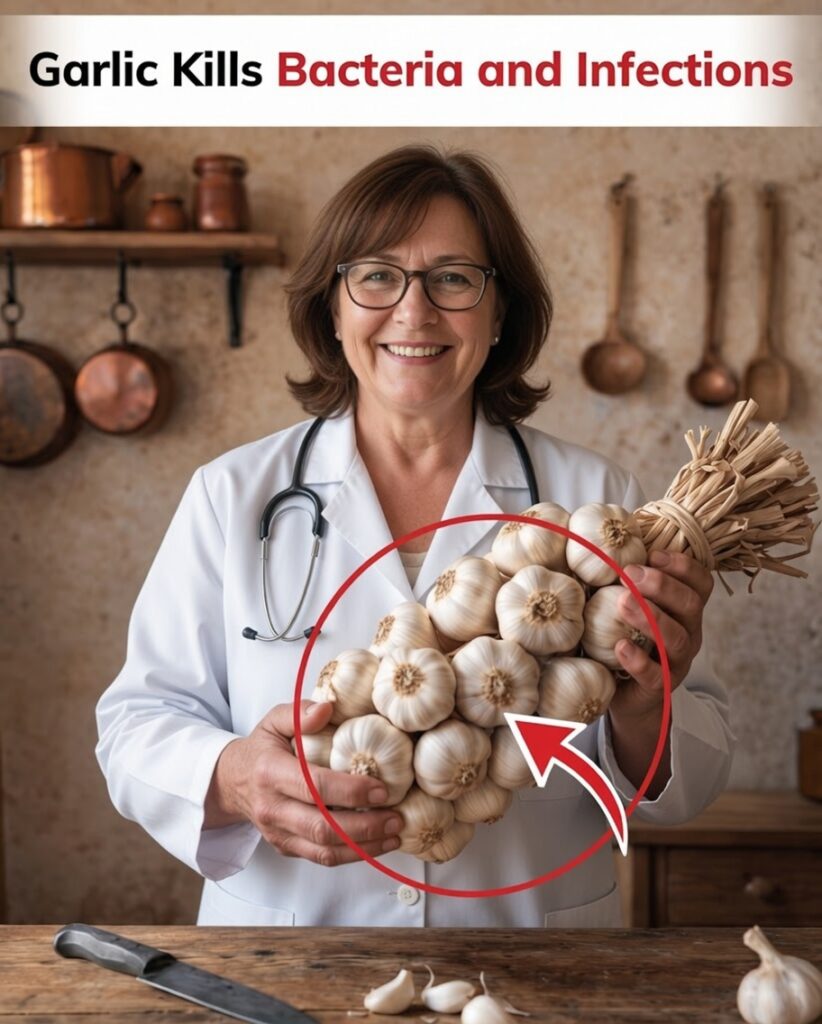
As for the popular claim that garlic kills “14 bacteria and 13 infections,” there is no strong scientific proof confirming those exact figures. It’s more of a viral simplification than a precise scientific finding.
What Science Actually Shows About Garlic and Bacteria
Research indicates that garlic compounds may act against various types of bacteria, including:
- Common bacteria such as E. coli, Salmonella, and Staphylococcus aureus
- Microorganisms linked to oral health issues
- Certain bacteria that form biofilms (protective layers that are harder to eliminate)
Beyond allicin, other garlic-derived compounds—such as ajoene and polysulfides—may also contribute to these antimicrobial effects.
Important note: Lab results do not automatically mean garlic “cures” infections in the human body. Absorption, dosage, overall health, and many other factors strongly influence real-world outcomes. Garlic is not a replacement for medical treatment.
Garlic Benefits Beyond Bacteria
Garlic is also studied for broader wellness support, including:
- Immune support: may help the body respond more effectively during seasonal challenges
- Antioxidant activity: may help reduce oxidative stress
- Heart health: research explores potential support for blood pressure and cholesterol
There are also early studies on possible antiviral and antifungal activity, but evidence is still preliminary.
How to Use Garlic in Your Daily Routine
If you want to include garlic naturally and safely, these practical tips can help:
- Choose fresh garlic whenever possible
- Crush or chop, then wait 10–15 minutes before cooking (this supports allicin formation)
- Aim for 1–2 cloves per day, depending on tolerance
- Pair it with olive oil or other foods to improve flavor and make it easier to eat
- Pay attention to how your body responds
Tip: Store garlic in a cool, dry place to help preserve quality.
Important Safety Considerations
Too much garlic may cause digestive discomfort, heartburn, or stronger body odor. Extra caution is recommended if you:
- Have a sensitive stomach or reflux issues
- Use blood thinners (anticoagulants)
- Have an upcoming surgery
Also, it’s generally safer to prioritize garlic as a food rather than taking high-dose concentrated supplements without professional guidance.
Conclusion
Garlic is not a miracle cure that eliminates exactly “14 bacteria and 13 infections”—that claim is not supported by reliable science. However, its natural compounds, especially allicin, show meaningful potential in laboratory studies.
Adding garlic to your diet is a simple, natural way to support overall health, but it should be part of a balanced lifestyle—not a substitute for medical care.
Frequently Asked Questions
-
Does cooking garlic reduce its benefits?
Yes. Heat can reduce allicin, but cooked garlic still provides other valuable nutrients and compounds. -
Can garlic replace antibiotics?
No. Garlic should not be used in place of prescribed treatments. -
What is a safe daily amount of garlic?
For many people, 1–2 cloves per day is generally well tolerated.
Disclaimer: This content is for informational purposes only and does not replace medical advice. Speak with a qualified healthcare professional before making significant dietary changes, especially if you have a medical condition or take medications.