Sensitive or Dull Skin? This “Liquid Gold” From Your Kitchen Can Help Smooth and Revive It Naturally
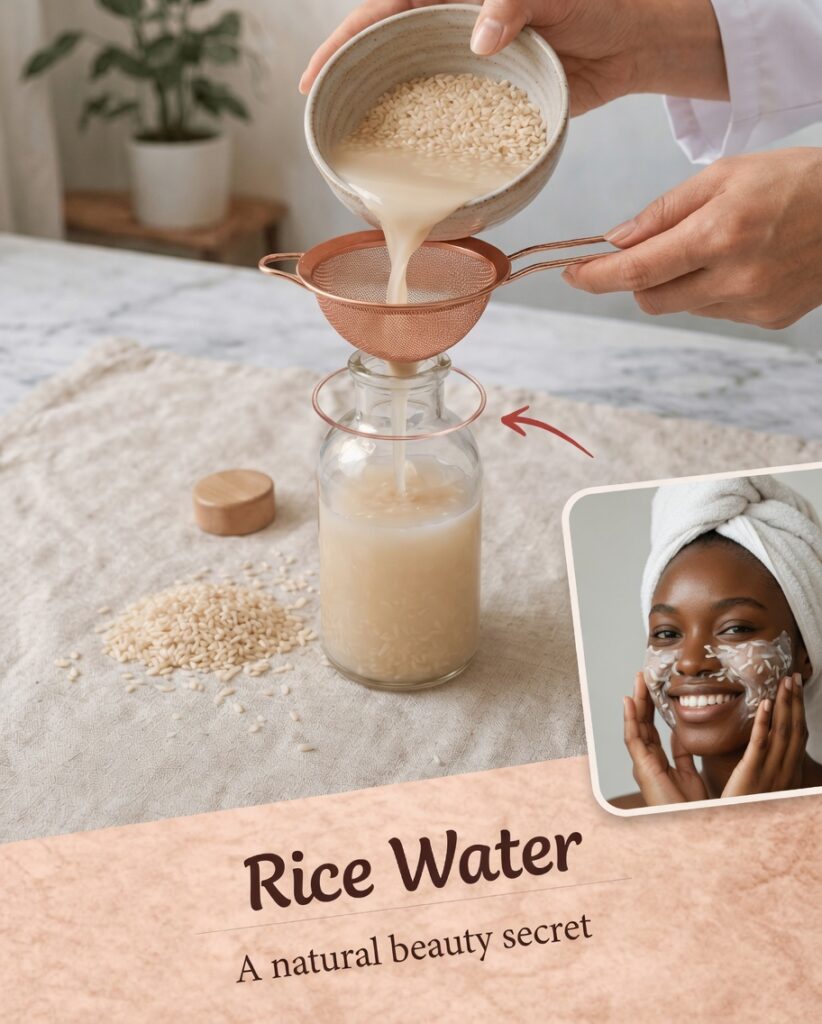
Have you ever stood at the sink rinsing rice—like you always do—and watched that cloudy, milky water disappear down the drain without a second thought? What if that everyday habit is wasting one of the oldest natural beauty secrets for healthier, more radiant-looking skin—already sitting in your kitchen?
Stay with this until the end, because you may find a simple, affordable, and surprisingly effective way to support your skin as part of your daily routine.
The Ancient Tradition Behind Rice Water
Rice water has a long history in Asian beauty rituals, especially in Japan and Korea. For generations, people used this starchy liquid to help keep skin feeling soft and looking even, while also supporting strong, glossy hair. Geishas are often mentioned as one of the groups known for including rice water in their daily care routines.
Part of its appeal comes from naturally occurring compounds found in rice water, including amino acids, vitamins, and minerals. Research on rice-derived ingredients suggests they may offer antioxidant, moisturizing, and soothing properties—useful for helping skin cope with everyday environmental stress.
Why Fermented Rice Water Is Often Considered More Effective
Regular rice water can be beneficial, but fermentation may enhance its overall impact. During natural fermentation, lactic acid develops, which can help support the skin’s pH balance and improve how easily the skin takes in certain nutrients.
Here’s how the common types compare:
- Fresh rice water: gentle and beginner-friendly
- Fermented rice water: more potent, often associated with brightening and calming effects
- Boiled rice water: more concentrated; also commonly used for hair care
Natural Skin Benefits People Commonly Notice
With consistent use, many users report:
- More hydrated, softer-feeling skin
- A more even, luminous appearance
- A soothing sensation on irritated or stressed skin
- Improved texture and a more supple feel
Keep expectations realistic: rice water isn’t an instant miracle. Like most natural skincare practices, results are more likely to show up with steady, regular use.
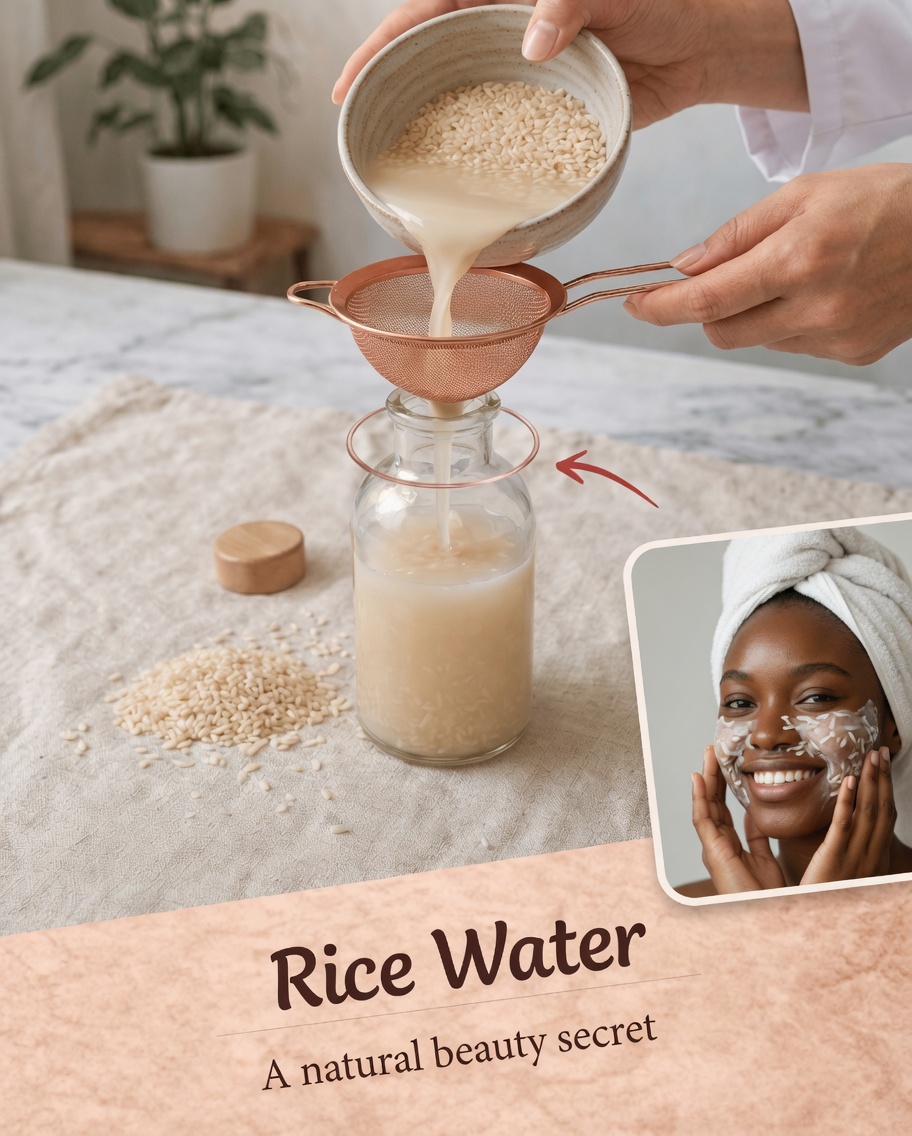
How to Make Rice Water at Home
1) Quick soak method
- Use ½ cup uncooked rice
- Add 1–2 cups of water
- Let it soak for 20 minutes
- Strain and keep the liquid
2) Rinse method (using what you already do)
- When washing rice before cooking, save the water from the final rinse
3) Fermented method
- Prepare rice water using the quick soak method
- Pour into a container and cover loosely
- Let it sit for 24–48 hours
- Refrigerate and use within 1 week
How to Use Rice Water in Your Routine
Try one (or more) of these simple options:
- Facial toner: apply with a cotton pad after cleansing
- Face mask base: mix with rice flour or oats
- Hair rinse: use after shampoo, then rinse out
- Bath soak: add to bathwater for a calming feel
Start slowly—about 2–3 times per week—and pay attention to how your skin responds.
Important Safety Tips
- Use clean tools and containers every time
- Do a patch test on a small area first
- If your skin is sensitive, dilute with water
- Discard immediately if there’s a bad smell or any sign of mold
Final Thoughts
Sometimes the most effective self-care begins with the simplest habits. Rice water is low-cost, natural, and backed by centuries of tradition. Adding it to your skincare routine can be a gentle, mindful step toward smoother, more refreshed-looking skin.
Use it consistently for a few weeks and observe the changes. You might stop letting that “liquid gold” run down the drain.
Disclaimer: This article is for informational purposes only and does not replace medical advice. Consult a healthcare professional or dermatologist before starting any new skincare practice—especially if you have sensitive skin or specific conditions.