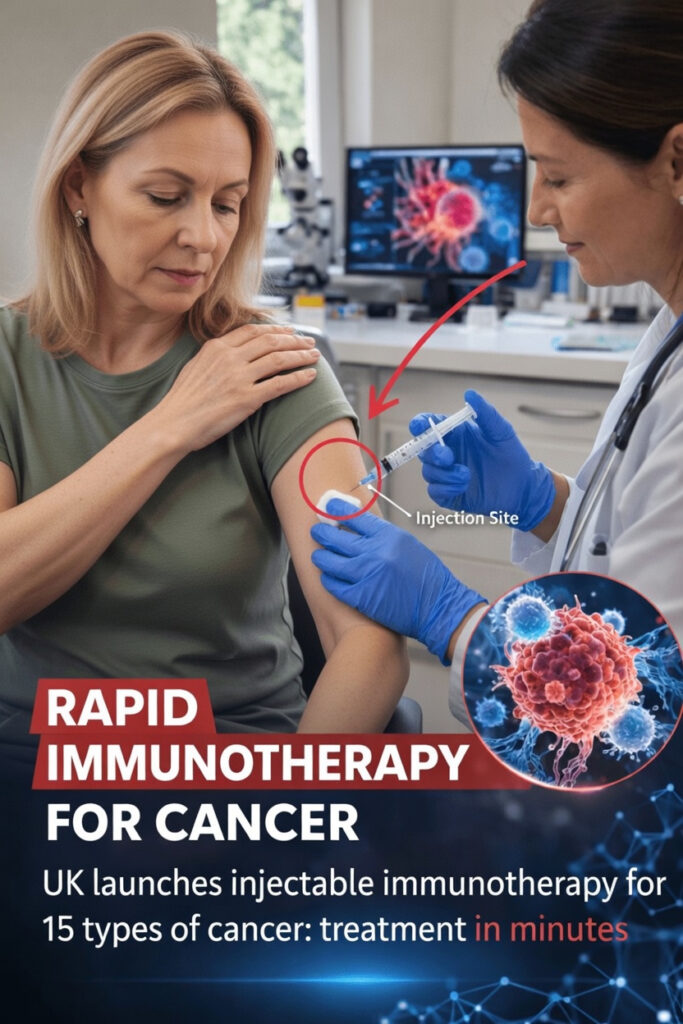
Faster Cancer Treatment in England: How the NHS Is Cutting Immunotherapy Sessions to Minutes
Cancer care can place a major strain on patients and their families. Many treatments require repeated hospital trips, extended appointments, and the physical challenge of sitting through intravenous infusions that may last 30 minutes, an hour, or even longer. During an already stressful period, these time-heavy visits can interrupt work, family life, rest, and the management of treatment side effects.
In England, the National Health Service (NHS) is introducing a change designed to ease part of that burden. An established immunotherapy medicine can now be given in a much faster way for eligible patients. This development is drawing attention because it could make cancer treatment more convenient without changing the medicine itself.
The Latest NHS Update
In 2025, NHS England started introducing an injectable form of nivolumab, a widely used immunotherapy drug also known by the brand name Opdivo. Instead of being delivered through an intravenous infusion, this version is given as a subcutaneous injection, meaning it is injected under the skin.
The biggest difference is time. The injection takes only 3 to 5 minutes, while the previous IV infusion often took 30 to 60 minutes.
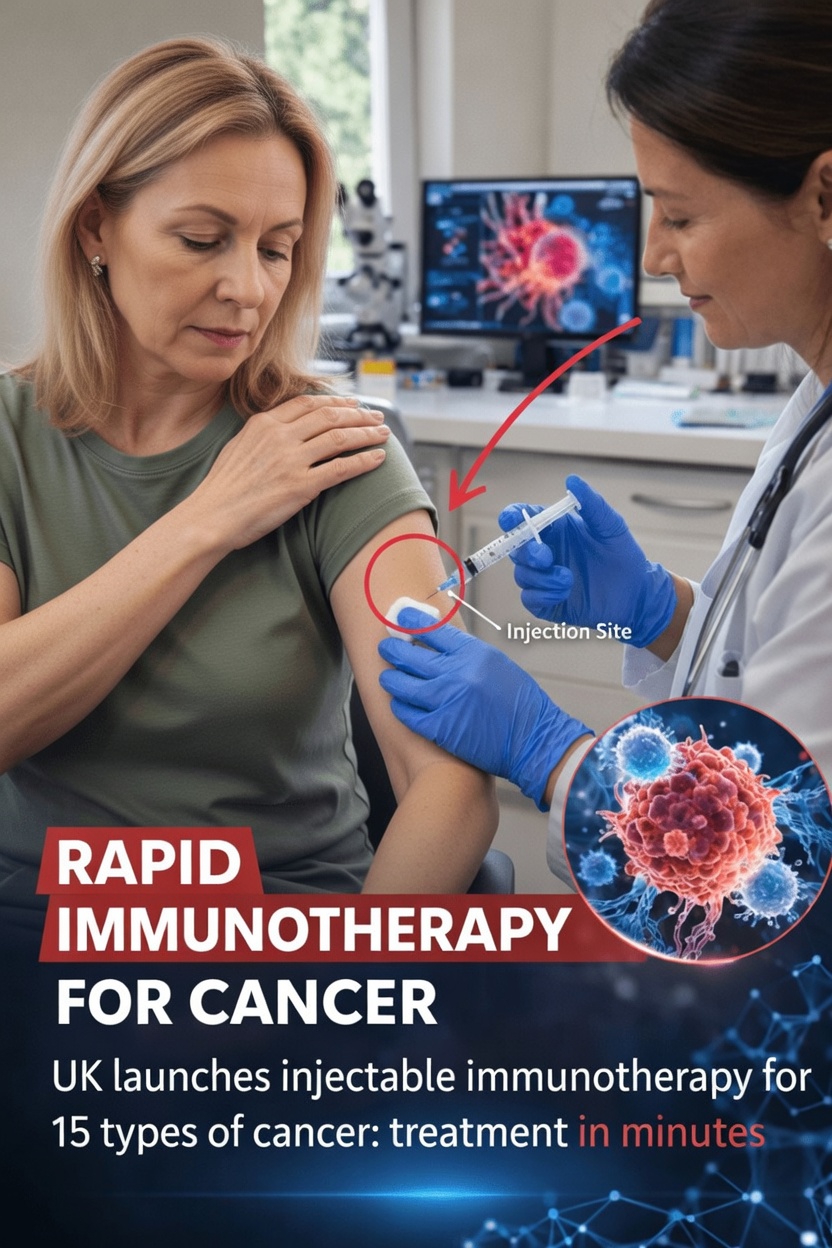
According to NHS England, this new method can be used across up to 15 cancer types. These include:
- Melanoma
- Lung cancer
- Colorectal cancer
- Kidney cancer
- Bladder cancer
- Oesophageal cancer
- Head and neck cancers
- And several others covered under NHS guidance
This is not a brand-new cancer drug. Nivolumab has already been used for years in IV form. What has changed is the way it is delivered, making treatment faster and potentially easier for many patients.
England is also the first country in Europe to make this particular injectable version broadly available through a national health service. Early estimates suggest it could help around 1,200 patients each month, with that number expected to grow as access expands.
How Nivolumab Immunotherapy Works
Immunotherapy is designed to help the immune system identify and attack cancer cells more effectively. Nivolumab is part of a group of medicines called checkpoint inhibitors.
It works by targeting PD-1, a protein found on T-cells, which are key immune cells. Some cancer cells use this pathway to avoid being attacked by the immune system. By blocking PD-1, nivolumab helps remove that disguise, allowing the immune system to better recognize and respond to the cancer.
However, treatment results are not the same for everyone. The effect of immunotherapy depends on several factors, such as:
- The type of cancer
- The stage of disease
- A patient’s general health
- Other treatments being used, such as surgery, chemotherapy, or radiation
The growing interest in the injectable version is mainly about convenience and efficiency, not a change in how the drug works. The medicine remains the same, but the shorter delivery time may reduce stress for patients and free up clinic capacity.
Why Shorter Treatment Appointments Matter
A quicker injection may sound like a small adjustment, but in daily life it can make a meaningful difference.
Less Time in Hospital
Patients may spend far less time waiting for IV preparation, line placement, and infusion. That saved time can go toward recovery, personal responsibilities, or simply resting at home.
Fewer Disruptions to Daily Life
When treatment is scheduled every 2 to 4 weeks, shorter visits can make planning much easier. This can be especially helpful for people balancing travel, work, childcare, or other commitments.
Better Use of NHS Resources
The NHS expects this change to save thousands of clinician hours each year. That could help reduce pressure on oncology services and improve access for other patients who also need care.
A Simpler Treatment Experience
For some people, a quick injection may feel less invasive and more manageable than sitting through an IV drip. Individual experience will vary, but many patients may prefer the shorter process.
This interest is supported by experience with other subcutaneous cancer treatments. Similar formulations, including atezolizumab introduced in 2023, have been linked to strong patient satisfaction. When used as approved, they have shown no major differences in safety or effectiveness compared with IV delivery.
Who Can Receive the Injectable Version?
Not every patient on nivolumab will switch right away. Eligibility depends on:
- The specific cancer diagnosis
- The overall treatment plan
- A doctor’s clinical judgment
- Whether the injectable form is appropriate in that individual case
Many new patients and some already receiving nivolumab are expected to use the under-the-skin version when suitable.
If you or someone you care for is undergoing cancer treatment, the most important step is to speak with the oncology team. They can confirm whether this option is available and appropriate, and they can explain what to expect.
Side effects are expected to be similar to those seen with IV nivolumab, including:
- Fatigue
- Skin-related reactions
- Immune-related side effects
Because immunotherapy can affect the immune system in complex ways, ongoing medical supervision remains essential.
Practical Steps for Patients and Caregivers
If this NHS update may affect your treatment, these actions can help you stay informed:
-
Ask your care team about treatment options
- At your next appointment, discuss whether the injectable form of nivolumab is available and suitable.
-
Keep track of your treatment schedule
- Organizing dates in advance can help reduce stress and improve planning.
-
Use trusted support services
- Groups such as Cancer Research UK and Macmillan Cancer Support can provide practical guidance about treatment, travel, and day-to-day support.
-
Prioritize overall well-being
- Follow professional advice on nutrition, light physical activity, sleep, and emotional support during treatment.
What This Could Mean for the Future of Cancer Care
This NHS rollout reflects a broader shift in oncology: improving not only the effectiveness of treatment, but also the patient experience. Even when the medicine itself stays the same, changing how it is delivered can reduce inconvenience, shorten clinic visits, and make care feel more manageable.
Cancer treatment is still highly personalized. The best approach depends on many clinical and individual factors, and research continues to shape how these therapies are used. Still, changes like this show how healthcare systems are looking for ways to make proven treatments more practical and patient-centered.
FAQ
What is different about this new cancer treatment jab?
It uses the same drug, nivolumab, but gives it as a quick injection under the skin instead of a longer intravenous infusion. This reduces administration time to just a few minutes.
Does it work for every type of cancer?
No. It is approved only for specific cancers listed in NHS guidance, covering up to 15 types, and only when nivolumab is already part of the treatment plan.
Is it available everywhere now?
No. The injectable version is being rolled out through the NHS in England starting in 2025. Availability in other countries or healthcare systems will depend on local approvals and policies.