Itchy Bites That Won’t Stop? A Simple Trick That May Soothe Your Skin—And What Really Works Against Bed Bugs
Picture trying to sleep while unwanted tiny “guests” turn your bedroom into a feeding ground. These persistent insects can make even the coziest space feel unbearable—leaving marks on your skin, restless nights, and constant irritation. Many people look for easy, low-cost ways to deal with the issue, including in outdoor areas where pests may hide or spread.
That’s why interest keeps growing around natural, at-home remedies that fit into everyday life. One of the most talked-about “hacks” online involves something nearly everyone has in the kitchen: salt. But does it actually work? Keep reading—the reality may surprise you, and you’ll find practical, safer steps you can take.
Understanding the Bed Bug Problem
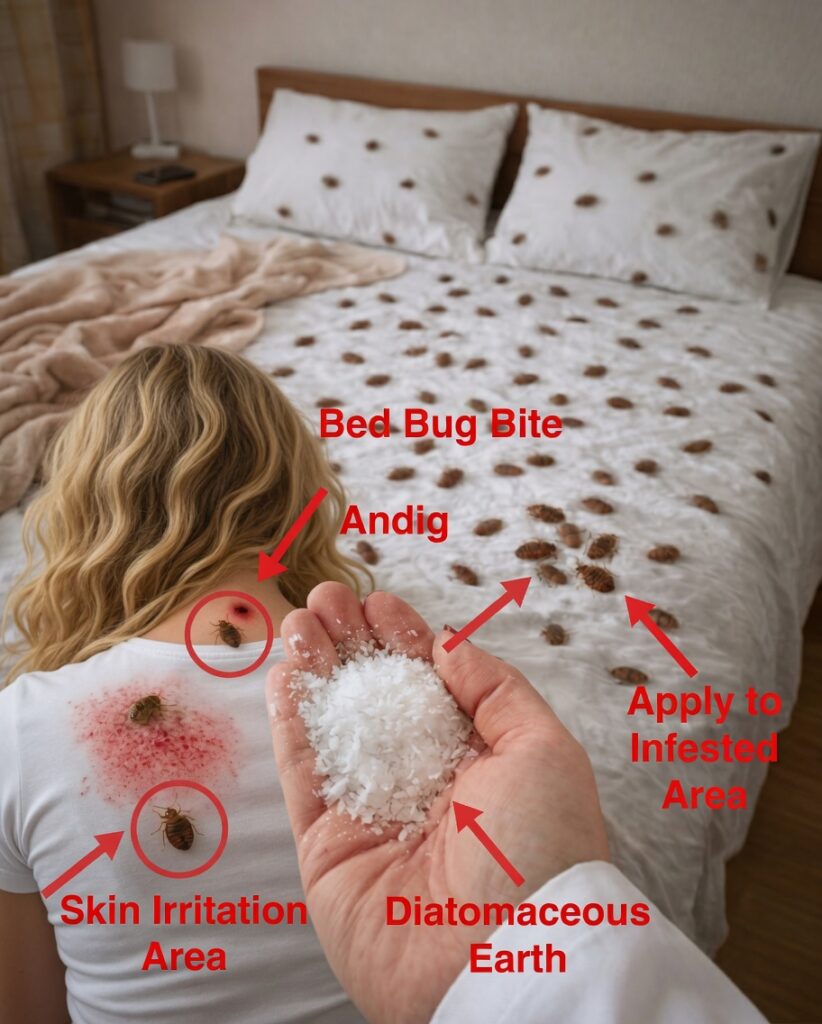
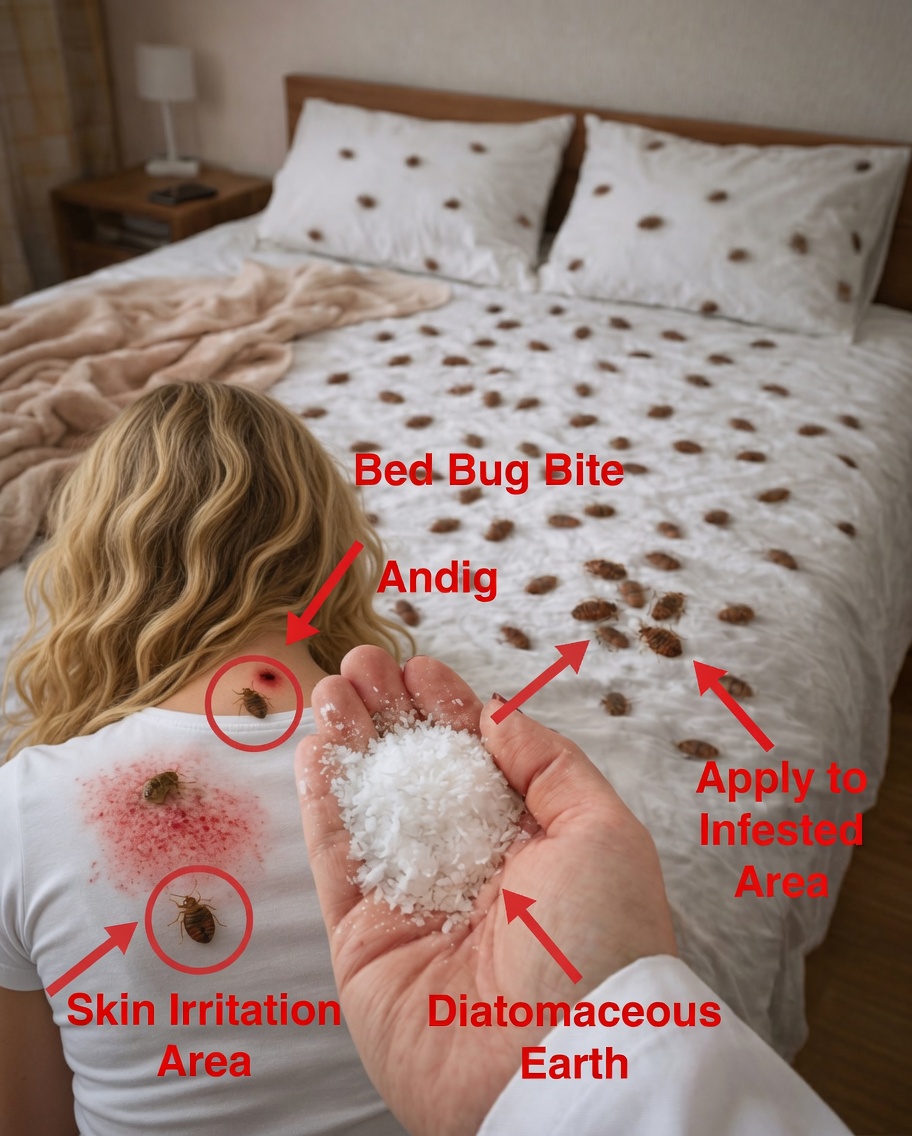
Bed bugs are small, flat insects that feed on blood. They often hide in mattresses, furniture, cracks and crevices, and can even linger in outdoor spaces such as patio furniture or wood piles. They don’t fly or jump, but they spread easily by hitchhiking on clothing, luggage, and secondhand items.
Bites commonly show up in lines or clusters, often triggering intense itching and discomfort. The situation can escalate quickly because a single female may lay hundreds of eggs in hidden spots. Bed bugs are also tough: they can survive for months without feeding and hide in places that are difficult to reach.
The Salt Myth: Does It Really Kill Bed Bugs?
You’ve probably seen videos claiming that salt kills bed bugs fast. It sounds appealing—cheap, natural, and easy to use. Some people assume it dehydrates insects the way it can affect slugs.
However, experts point out that bed bugs have a durable outer layer (exoskeleton) that makes salt far less effective than people think. In many cases, bed bugs simply avoid treated areas rather than die from exposure.
More reliable approaches include:
- Food-grade diatomaceous earth: a natural powder that damages the insect’s outer layer
- High heat: washing and drying fabrics on high temperatures kills bugs and eggs
- Frequent vacuuming: helps remove visible bugs and debris
- Mattress encasements: block bed bugs from entering or escaping the mattress
These methods are widely considered stronger and more dependable than salt alone.
Practical Steps You Can Do at Home
If you suspect bed bugs, start with basic but high-impact home organization and cleaning:
- Reduce clutter and remove unnecessary items (bed bugs love hiding spots)
- Wash bedding and curtains in hot water
- Vacuum mattresses, sofas, baseboards, and corners daily
- Empty the vacuum contents into a sealed bag and dispose of it outside immediately
These simple actions can significantly improve control and reduce spread.
A Popular DIY Powder Mix (With Realistic Expectations)
A common home mixture includes:
- Baking soda
- A small amount of salt
Lightly apply it to cracks, crevices, and around the bed, leave it for a few hours, then vacuum thoroughly.
This may help with cleanliness and monitoring, but it does not replace proven control methods. For a natural option with better evidence, diatomaceous earth is generally more effective.
Important safety note: When using fine powders, wear a mask to avoid inhalation and test on a small area first.
More Effective Natural Strategies
To improve results, consider adding these techniques:
- Hot steam: use a steamer on mattresses, seams, and furniture joints
- Freezing: place small items in a freezer for several days
- Bed leg traps/interceptors: help monitor activity and reduce movement to and from the bed
Combining multiple methods greatly increases your chances of success.
Prevention Matters Most
To lower the risk of reinfestation:
- Inspect secondhand furniture carefully before bringing it home
- When traveling, avoid placing luggage directly on the floor
- Keep your home clean, uncluttered, and well-ventilated
- Use diluted essential oils (such as lavender or peppermint) as a mild repellent support—never as the only solution
Frequently Asked Questions
Does salt kill bed bugs?
Not reliably. Salt is not considered an effective bed bug treatment.
Do natural methods work?
Yes—especially when combined and applied consistently (heat, steam, vacuuming, encasements, and diatomaceous earth).
How long does it take to see results?
Anywhere from a few days to several weeks, depending on how severe the infestation is and how consistently you treat the area.
Final Thoughts
Dealing with bed bugs can feel exhausting, but with patience and the right strategy, you can restore comfort at home. Prioritize cleaning, heat-based treatments, and proven natural tools rather than relying on viral “quick fixes.”
If the problem continues or worsens, contact a qualified pest control professional.
Disclaimer: This article is for informational purposes only and does not replace professional guidance.