Managing Creatinine and GFR: 5 Vegetables That May Support Kidney Health
Seeing elevated creatinine levels or feeling unsure about your GFR can be stressful, especially if you are also dealing with tiredness, mild swelling, or concerns about long-term health. These two markers give insight into how effectively your kidneys are filtering waste each day, and simple lifestyle choices can influence overall kidney support.
One practical place to start is with your diet. Certain vegetables provide fiber, antioxidants, and plant compounds that may help support balance when included regularly in meals. Even better, there is a straightforward five-vegetable approach you can begin using immediately, with one especially unexpected choice leading the list.
Why Creatinine and GFR Are Important
Creatinine is a natural waste product created by normal muscle function. GFR, or glomerular filtration rate, estimates how well the kidneys are cleaning the blood. When either value moves outside the usual range, some people begin to notice lower energy, less physical comfort, or other subtle changes.
A growing body of research suggests that plant-forward eating patterns, especially those rich in fruits and vegetables, are associated with healthier kidney-related markers. Much of this benefit may come from fiber, which helps the body process waste more efficiently, and antioxidants, which can help reduce oxidative stress and inflammation.
This is not about an instant solution. Instead, it is about choosing everyday foods that support your body in a consistent, realistic way.

How Vegetables Fit Into a Kidney-Friendly Eating Pattern
Vegetables can be a smart addition to meals because they supply fiber that helps move waste through the digestive tract, potentially reducing some of the burden on the kidneys over time. Many vegetables also create a lower dietary acid load than more processed or animal-heavy foods, which may help the body maintain better internal balance.
Nutrition research has repeatedly linked vegetable-rich diets with more stable creatinine readings and healthier GFR patterns. Another advantage is convenience: these foods are easy to add to familiar dishes without requiring complicated cooking techniques or special tools.
Below are five vegetables that stand out for anyone looking to build a more kidney-supportive plate.
1. Bitter Melon: The Unexpected Standout
Bitter melon, also known as bitter gourd, is often recognized for its sharp taste and distinctive texture. It contains natural compounds such as charantin and polypeptide-p, which early research has connected with blood sugar support. That matters because balanced blood sugar can be helpful for kidney wellness.
Its fiber content may also help the digestive system eliminate waste more smoothly. In many traditional food cultures, bitter melon is used in stir-fries, soups, and herbal-style preparations. Today, interest in this vegetable continues to grow because of its antioxidant profile.
Why bitter melon deserves attention
- Contains vitamin C and antioxidant compounds that help fight everyday oxidative stress
- Provides fiber that supports digestion and regular waste removal
- Can fit into kidney-conscious meal plans when mineral intake needs to be monitored carefully
Many people who try it regularly find that it adds variety to meals while supporting broader wellness goals. If the flavor seems too intense at first, simple pairings like lemon, garlic, or ginger can make it much more approachable.
2. Cabbage: A Simple, Reliable Source of Fiber
Cabbage is one of the most practical vegetables you can keep in your kitchen. It offers a generous amount of fiber and, in moderate servings, does not overload the diet with potassium or phosphorus. For many people following a kidney-supportive eating style, that makes it an especially useful staple.
Studies on plant-rich diets often highlight cabbage as a gentle vegetable that supports digestive regularity, which may indirectly help the kidneys by improving overall waste management. It also contains natural compounds that may contribute to a more balanced, less acidic internal environment.
Benefits of adding cabbage regularly
- A strong source of insoluble fiber for digestive health
- Contains vitamin K and protective antioxidants
- Affordable, easy to store, and ideal for weekly meal prep
Cabbage works well both raw and cooked. You can shred it into salads, add it to soups, or steam it lightly to bring out its mild sweetness.
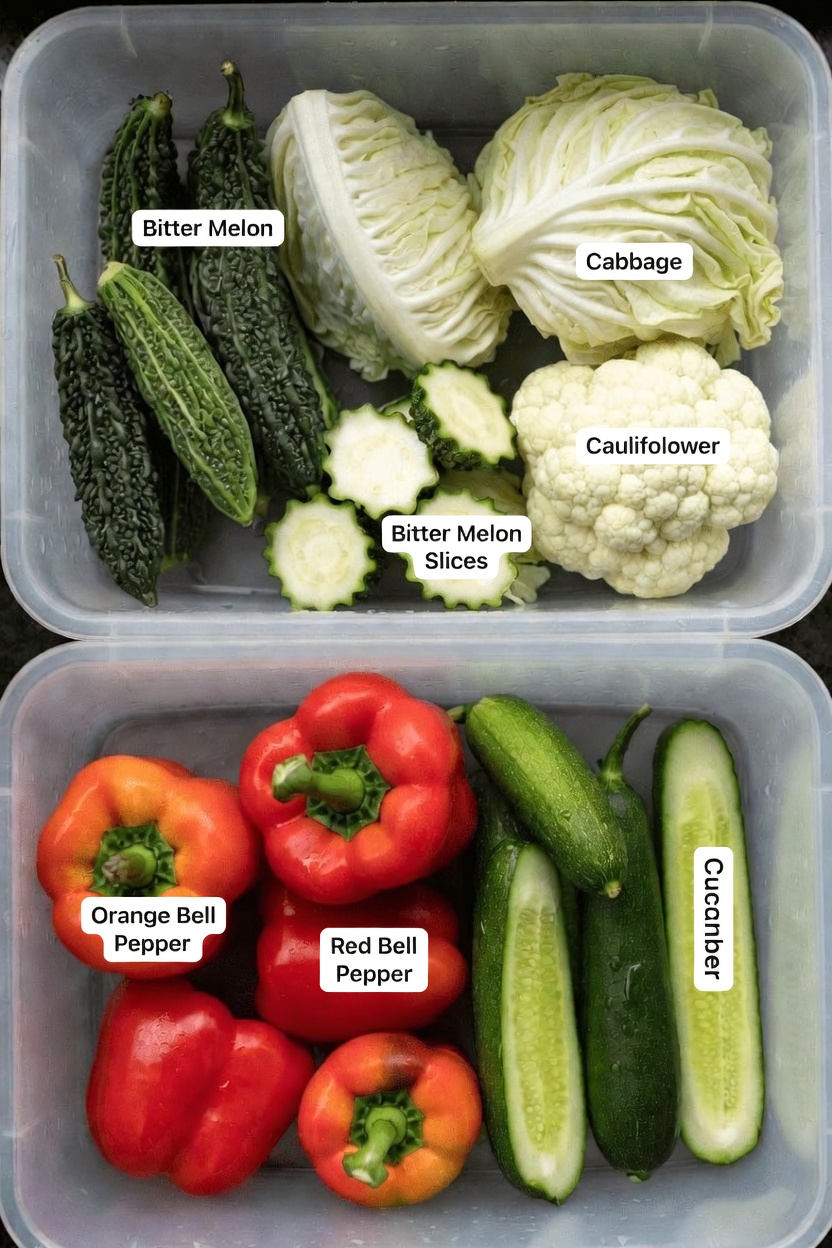
3. Cauliflower: Flexible, Filling, and Nutrient-Rich
Cauliflower has become a popular ingredient because of how easily it adapts to different recipes. Whether roasted, mashed, or turned into cauliflower rice, it absorbs flavor well and can replace heavier starches while still feeling satisfying.
This cruciferous vegetable contains fiber and plant compounds associated with anti-inflammatory effects. It also fits well into eating patterns that research has linked with more stable kidney-related lab values over time. Because it is relatively low in calories, it allows for generous portions without making meals feel too heavy.
Why cauliflower stands out
- Supplies choline and antioxidants that support cellular health
- Adds natural fiber that may help with waste processing
- Can be prepared in multiple textures, making it easier for selective eaters
For people trying to keep meals interesting while supporting overall wellness, cauliflower is one of the easiest vegetables to use consistently.
4. Red Bell Peppers: Bright Color, Big Nutritional Value
Red bell peppers bring sweetness, crunch, and color to almost any meal. They are especially rich in vitamin C and antioxidants, yet they stay relatively low in minerals that may need closer attention in some kidney-friendly eating plans.
Research on colorful vegetables often points to their role in helping the body manage oxidative stress, which may support long-term comfort and health. Because red bell peppers taste naturally sweet, they can also make meals more flavorful without relying on extra salt.
Key reasons to eat more red bell peppers
- High in vitamin C for tissue and immune support
- Generally lower in potassium than many other pepper varieties
- Naturally sweet, which can reduce dependence on salty seasonings
You can enjoy them raw with dips, slice them into salads, or lightly sauté them to preserve texture and nutrients.
5. Cucumbers: A Hydrating Choice With Gentle Fiber
Cucumbers may seem basic, but they can be very helpful as part of a kidney-conscious diet. Their extremely high water content supports hydration, which plays an important role in overall kidney function. They also provide light fiber and small amounts of electrolytes that help the body maintain fluid balance.
Studies involving water-rich produce suggest that regular intake may support smoother waste filtration and a healthier hydration routine. Cucumbers are also easy to eat throughout the day, whether as snacks, side dishes, or infused drinks.
What makes cucumbers so useful
- Made up of more than 95% water, helping with natural hydration
- Offer gentle fiber that supports digestion without feeling heavy
- Low in calories and easy to snack on anytime
Their crisp, refreshing texture can make healthy eating feel effortless, especially for people who struggle to drink enough water.
Why These Five Vegetables Work Better Together
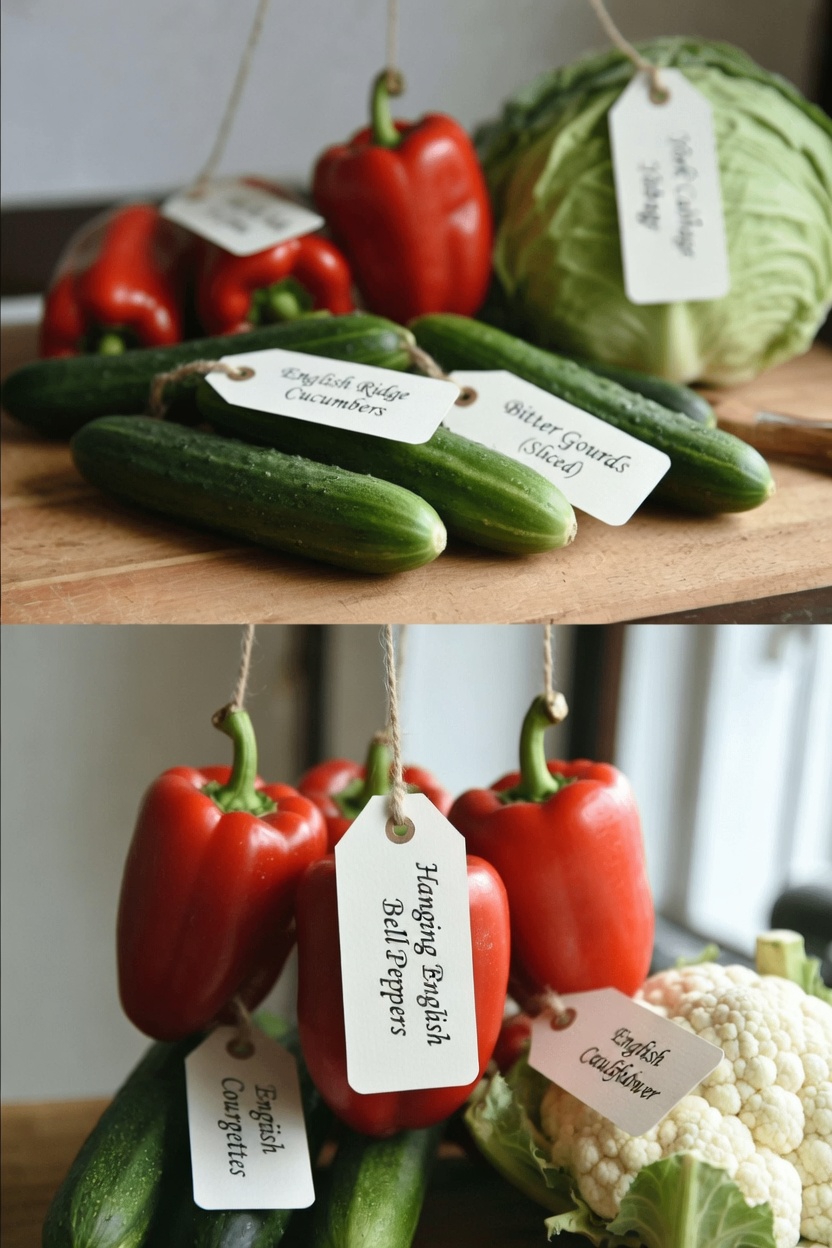
Each of these vegetables offers a different strength. Bitter melon brings unique plant compounds, cabbage delivers dependable fiber, cauliflower adds versatility, red bell peppers boost antioxidants, and cucumbers support hydration.
When used together across the week, they create a balanced strategy that feels sustainable rather than restrictive. Research consistently shows that increasing vegetable intake as part of a well-rounded diet is associated with better kidney health markers over time.
Easy Ways to Add These Vegetables to Your Routine
Starting does not need to be complicated. A simple weekly approach can make these foods easy to include.
A practical plan for the week
- Begin the day with cucumber-infused water to support hydration
- Add shredded cabbage or cauliflower rice to lunch bowls and salads
- Use sliced red bell peppers for snacks or quick stir-fries
- Cook bitter melon once or twice a week with garlic and lemon to soften its bitterness
- Rotate all five vegetables through the week to keep meals varied and interesting
Quick Preparation Tips
A few small techniques can help you get the most from these vegetables.
- Steam or lightly sauté instead of deep-frying to preserve more nutrients
- Pair bitter melon with fresh flavors such as ginger, mint, or citrus
- Wash and prep vegetables in advance on weekends for easier weekday meals
- Pay attention to how you feel after using them consistently for two weeks
These habits are simple enough for busy schedules and can provide steady dietary support without drastic changes.
Additional Ways to Maximize the Benefits
Aim for balance rather than extremes. These vegetables work best when they are part of complete meals that also include lean protein sources and whole grains. Staying well hydrated and adding regular gentle movement can further support overall health and may enhance the effects of a nutritious eating pattern.
It is also wise to focus on long-term consistency instead of becoming anxious over day-to-day fluctuations. Regular medical follow-up can help you track meaningful changes in creatinine and GFR over time.
The biggest advantage comes from building a routine that is realistic, repeatable, and enjoyable. With these five vegetables on your plate more often, supporting kidney health can become a natural part of everyday life.