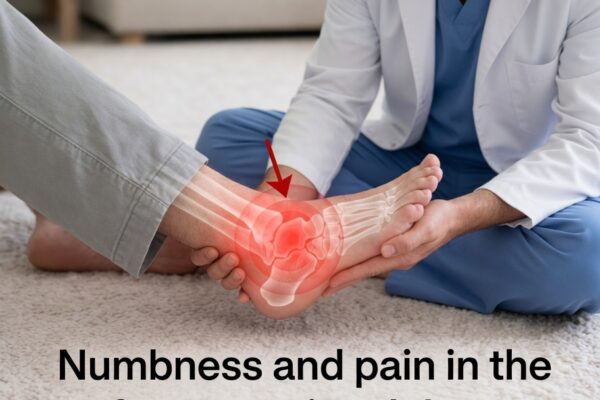
Leg Numbness, Night Cramps, and Tingling in Older Adults: Foods to Limit
Leg numbness, nighttime cramps, and a “pins and needles” sensation are common complaints among older adults. While these issues are sometimes linked to aging, diet can also play a major role in how well your circulation, nerves, and muscles function.
Certain foods may promote inflammation, increase fluid retention, or disrupt key minerals such as potassium and magnesium, both essential for healthy muscle contractions.
Below are five foods to moderate if you often experience leg cramps or numbness.

1. Processed Meats and Cold Cuts
Common examples include:
- Sausages
- Processed ham
- Bacon
- Bologna and similar deli meats
These products often contain:
- High sodium, which can increase water retention
- Saturated fat, which may negatively affect blood flow
- Nitrites and preservatives, which can trigger inflammation in some people
Cutting back may help reduce the feeling of heaviness and discomfort in the legs.
2. High-Salt Foods
Examples:
- Potato chips
- Fast food
- Instant soups
- Canned foods with added salt
Too much sodium can contribute to:
- Swelling in the legs and feet
- Night cramps
- High blood pressure
Choose fresh foods more often and flavor meals with herbs, spices, garlic, lemon, or vinegar instead of extra salt.
3. Sugary Drinks
Common sources:
- Soda
- Packaged or industrial fruit juices
- Energy drinks
High sugar intake may affect:
- Inflammation levels
- Circulation
- Mineral balance
It can also raise blood glucose, which over time may impact peripheral nerves and worsen tingling or numbness.
4. Trans Fats
Often found in:
- Donuts
- Low-quality margarine
- Pastries and baked sweets
- Packaged cookies and processed snacks
Trans fats may:
- Harm vascular health
- Impair circulation
- Increase inflammation
If you experience frequent cramps or numbness, it’s best to avoid trans fats as much as possible.
5. Excess Alcohol
You don’t always need to eliminate alcohol entirely, but moderation matters.
Alcohol can interfere with:
- Magnesium and potassium levels
- Sleep quality
- Hydration
When these minerals drop, muscle cramps become much more likely, especially at night.
Foods That May Help Reduce Cramps and Numbness
To support muscle function and overall well-being, consider adding:
- Potassium-rich foods: banana, avocado, tomato
- Magnesium-rich foods: nuts, seeds, oats, spinach
- Anti-inflammatory foods: turmeric, ginger, berries
- Adequate water throughout the day
Additional Tips for Better Circulation and Fewer Cramps
- Do gentle daily stretching
- Avoid sitting for long, uninterrupted periods
- Don’t keep your legs crossed for too long
- Maintain a healthy body weight
- Move your ankles regularly to help stimulate circulation
Conclusion
Leg cramps and numbness can have multiple causes, but diet is one of the easiest factors to adjust. Reducing or avoiding these five food categories may help many people feel better—especially in later adulthood.
Important Notice
This information is for general education only and does not replace medical advice. If leg cramps or numbness are frequent, severe, or getting worse, consult a healthcare professional.