Sarcopenia: How Certain Fruits Can Support Muscle Health After 40
Sarcopenia is the gradual decline in muscle mass and strength that affects millions of people, especially after age 40. Many people don’t realize that specific fruits—naturally rich in antioxidants, minerals, and beneficial plant compounds—can help protect muscle function and support recovery as part of a healthy lifestyle.
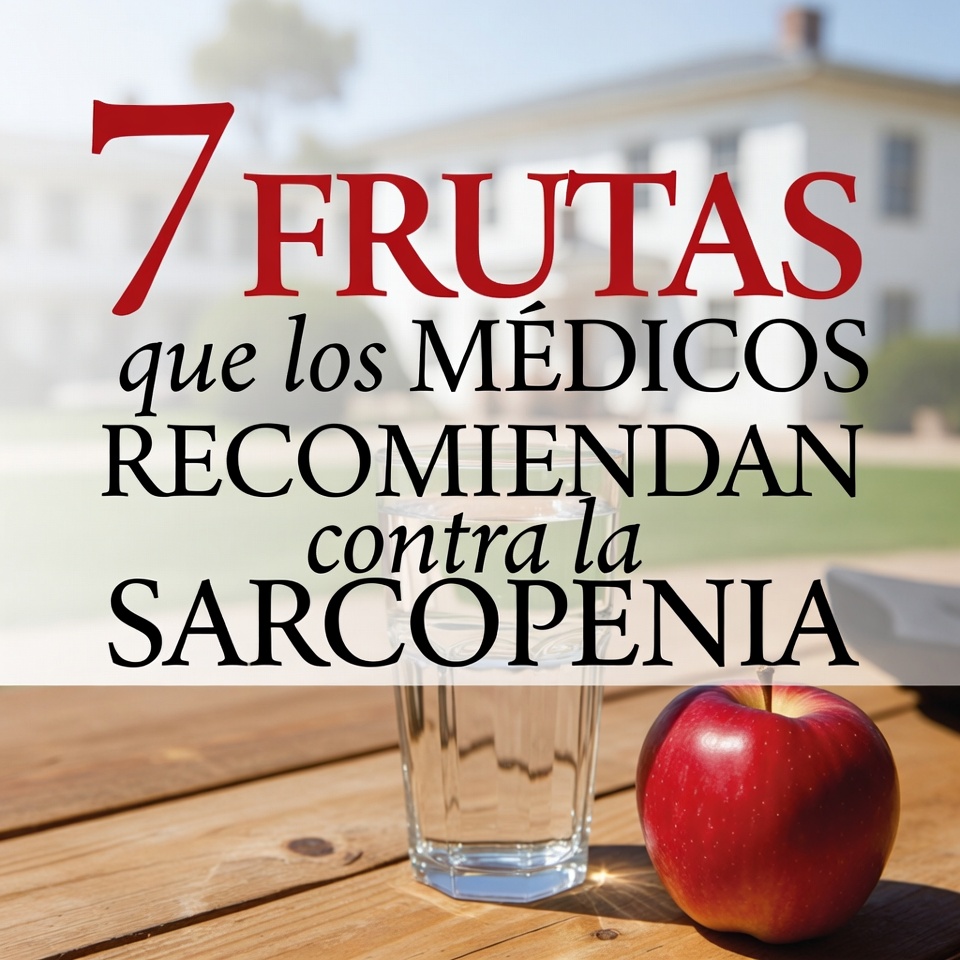
Below are 7 fruits commonly recommended by health professionals to help fight sarcopenia and promote stronger muscles in older adults.
1. Banana
Bananas provide potassium and slow-digesting carbohydrates, which can help replenish muscle energy and may reduce muscle cramps. They’re often considered one of the most practical fruits for maintaining everyday strength.
2. Papaya
Papaya contains papain, an enzyme that can support the digestion of protein, a key building block for muscle. It’s also a good source of vitamin C, which contributes to the repair of muscle tissue.
3. Avocado
Although it’s often treated like a vegetable, avocado is a fruit. It offers healthy fats along with potassium and magnesium—minerals involved in muscle contraction and overall muscular function, making it helpful for people aiming to slow muscle loss.
4. Plums
Plums are rich in antioxidants and contain sorbitol, which may support digestive regularity. Better gut health can improve how well the body absorbs nutrients—important for getting maximum benefit from dietary protein.
5. Kiwi
Kiwi is especially high in vitamin C, a nutrient strongly linked to tissue repair and collagen production, which supports the structure and recovery of muscles and connective tissues.
6. Grapes
Grapes contain resveratrol, a plant compound associated with improved muscle function and lower inflammation. This can be particularly useful for older adults who have limited mobility and want extra nutritional support.
7. Red Apple
Red apples provide quercetin, an antioxidant that may contribute to better endurance, energy levels, and post-activity recovery. Their fiber also supports general health, including digestion and metabolic balance.
How to Eat These Fruits for Better Results
For best outcomes, aim to include two to three of these fruits per day, and pair them with:
- High-quality protein (to support muscle building and maintenance)
- Good hydration (to assist performance and recovery)
This combination may help improve strength, muscle recovery, and balance in older adults.
Important Warning for People With Diabetes
If you have diabetes, monitor portion sizes and blood glucose, especially when eating grapes, bananas, and kiwi, as these can raise blood sugar more noticeably in some individuals.