Stevia (Stevia rebaudiana): A Natural, Zero-Calorie Sweetener With More Uses Than You Think
Stevia, scientifically known as Stevia rebaudiana, is a naturally sweet plant native to Paraguay and Brazil. It has become a go-to natural sweetener worldwide because it delivers sweetness without calories and without raising blood sugar levels. Many people also overlook its broader benefits—especially when stevia is used in a more natural form.
Below you’ll find a practical, complete guide with three different ways to use stevia: as a daily tea infusion, as a homemade liquid extract, and as a gentle DIY skin cream.
1) Daily Stevia Tea Infusion (Simple, Natural, and Versatile)
Ingredients
- A small handful of fresh or dried stevia leaves (about 5–10 leaves)
- 1 large cup of water (250–300 ml)
- Optional additions: lemon, ginger, or cinnamon
How to Make It
- Heat the water until it just reaches a boil.
- Turn off the heat and add the stevia leaves.
- Cover and let it steep for 10 minutes so the leaves release their natural sweetness.
- Strain and serve.
How to Use It
- Drink one cup per day if desired.
- Use it as a natural sweetener for other drinks.
- Chill it and add it to juices or smoothies as a sugar substitute.
2) Homemade Liquid Stevia Extract (Lasts Up to 6 Months)
This DIY liquid stevia extract is ideal for sweetening coffee, tea, homemade desserts, juices, smoothies, and cold drinks.
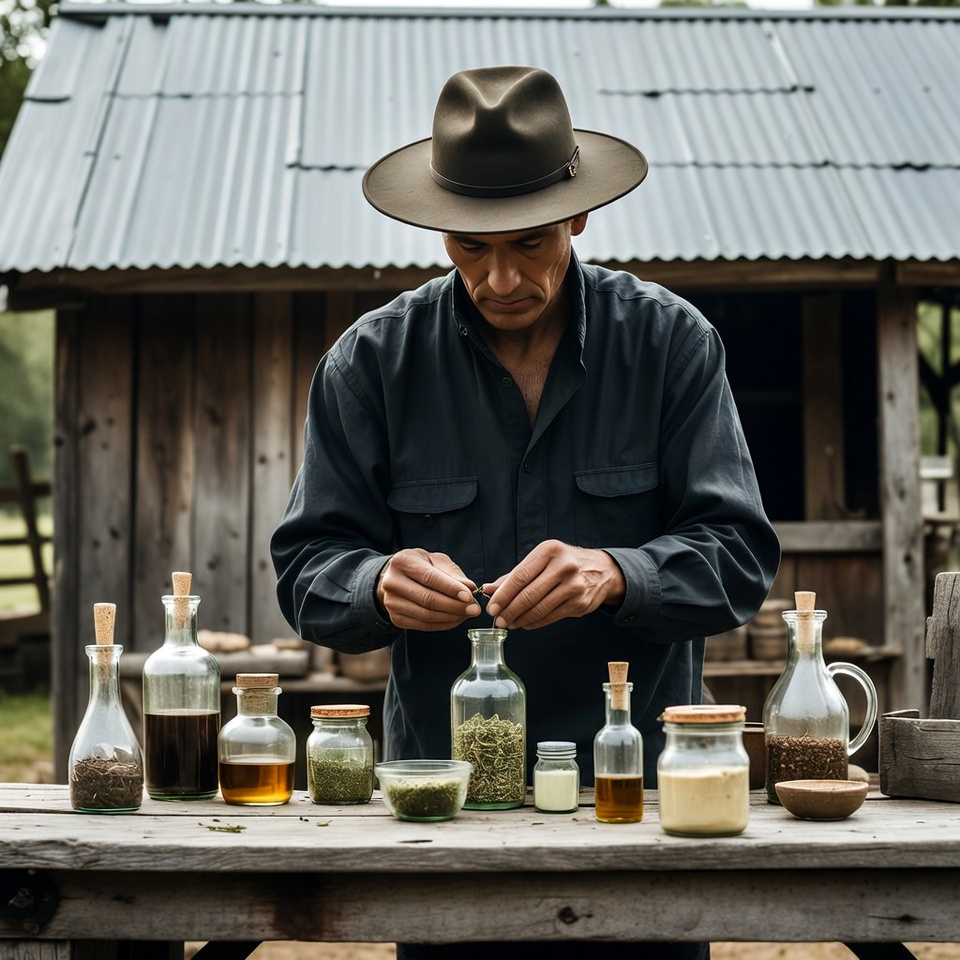
Ingredients
- 1 cup dried stevia leaves
- 1 cup filtered water
- 1 cup food-grade alcohol (such as vodka or white rum)
Prefer alcohol-free? A no-alcohol option is included below.
Step-by-Step Preparation
- Rinse the dried stevia leaves to remove dust or impurities.
- Place the leaves into a glass jar with a tight-fitting lid.
- Pour in the alcohol and stir gently.
- Seal the jar and let it sit for 24–36 hours in a dark place.
- Strain the mixture and pour the liquid into a small pot.
- Warm it on very low heat for about 20 minutes to evaporate some alcohol and concentrate the sweetness.
- Let it cool, then store in a dark glass bottle.
How to Use
- 3–5 drops can equal roughly 1 tablespoon of sugar (adjust to taste).
- Add to hot drinks, cold beverages, desserts, or any sweet recipe.
Alcohol-Free Version (Shorter Shelf Life)
- Simmer stevia leaves in water for 20 minutes.
- Strain, cool, and refrigerate.
- Use within 10 days.
3) DIY Stevia Skin Cream (For Dryness, Mild Irritation, and Uneven Tone)
Stevia contains natural antioxidant compounds that may help soothe the skin and support a softer, calmer feel—especially for mild irritation or dryness. This homemade cream works well as a simple, natural moisturizer.
Ingredients
- 1 tablespoon crushed stevia leaves (fresh or dried)
- 2 tablespoons natural aloe vera gel
- 1 teaspoon coconut oil
- 1 teaspoon pure honey
How to Make It
- Crush the stevia leaves into a fine powder or smooth paste.
- Add aloe vera gel to a small bowl.
- Mix in coconut oil until well blended.
- Add honey and stir until fully combined.
- Fold in the crushed stevia and mix again.
- Transfer to a clean jar with a lid and store in the refrigerator.
How to Apply
- Apply a thin layer to the face at night.
- Leave on for 15–20 minutes, then rinse.
- Repeat 3 times per week.
Key Benefits of Stevia (Highlights)
- A helpful natural alternative to sugar for people aiming to reduce sugar intake
- Zero calories, with no sharp energy spikes
- Commonly used by some people to support digestion and ease occasional stomach discomfort
- In certain cultures, used as part of a more balanced lifestyle
- Provides natural antioxidants that may help protect the skin from external stressors
- Popular in DIY masks and creams to soften and moisturize the skin
- Sweetens beverages without relying on processed sweeteners