Kidney-Friendly Vegetables (When Eaten in Normal Portions)
The following options are generally easier on the kidneys because they’re low in potassium and/or phosphorus and can fit well into a kidney-conscious diet.
1. Cabbage
- Low in potassium and phosphorus
- May help reduce inflammation
- Supports digestion and the immune system
Best way to eat it: raw or lightly cooked.
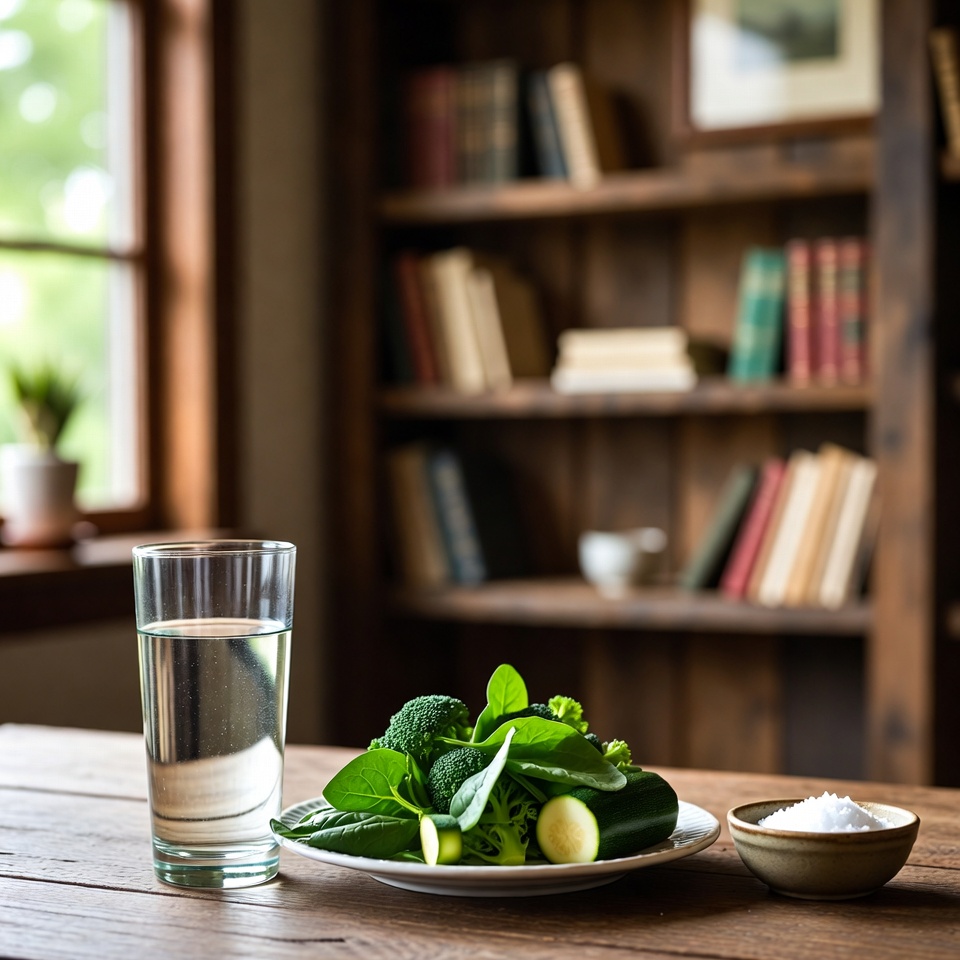
2. Cucumber
- Highly hydrating
- May support the body’s ability to flush waste through urine
- Low in minerals that can overburden the kidneys
Best way to eat it: fresh and unsalted.
3. Bell Pepper (Especially Red)
- Rich in antioxidants
- Low in potassium
- Supports circulation and may reduce oxidative stress
Best way to eat it: raw or lightly sautéed.
3 Vegetables You Should Avoid or Limit
These vegetables can significantly raise potassium or phosphorus, which may worsen kidney function—especially if you already have impaired filtration.
1. Tomato (Especially Cooked or as Sauce)
- High in potassium
- Potassium becomes more concentrated in purées, sauces, and juices
2. Potato
- Very high in potassium
- Even when boiled, it can remain problematic with kidney impairment
- If you eat it, it should be very small portions and prepared using a soaking method
3. Spinach
- High in potassium and oxalates
- May increase the risk of kidney stone formation
Key Tips to Help Lower Creatinine
- Avoid excessive animal protein
- Drink water as advised by your clinician (more isn’t always better)
- Cut back on salt, ultra-processed foods, and concentrated broths
- Choose fresh, simple vegetables over heavily seasoned or packaged options
Conclusion
If your creatinine is high:
- Focus on low-potassium vegetables
- Avoid concentrated forms (like sauces, purées, and juices)
- Remember that preparation matters as much as the food itself