Sage on Your Windowsill: One Plant, Countless Uses
If you had to choose just one plant to keep by your window, many grandmothers would tell you to pick sage. It’s far more than a kitchen herb: sage has long been used as a home remedy, a natural cleaner, and even a beauty ally—all in one leafy plant.
Below are classic “grandma tips” to make the most of every sage leaf.
1. A Natural Brake for Sweating and Hot Flashes
This is one of the best-known traditional uses of sage for hot flashes. Sage contains plant compounds (including phytosterols) associated with supporting temperature balance.
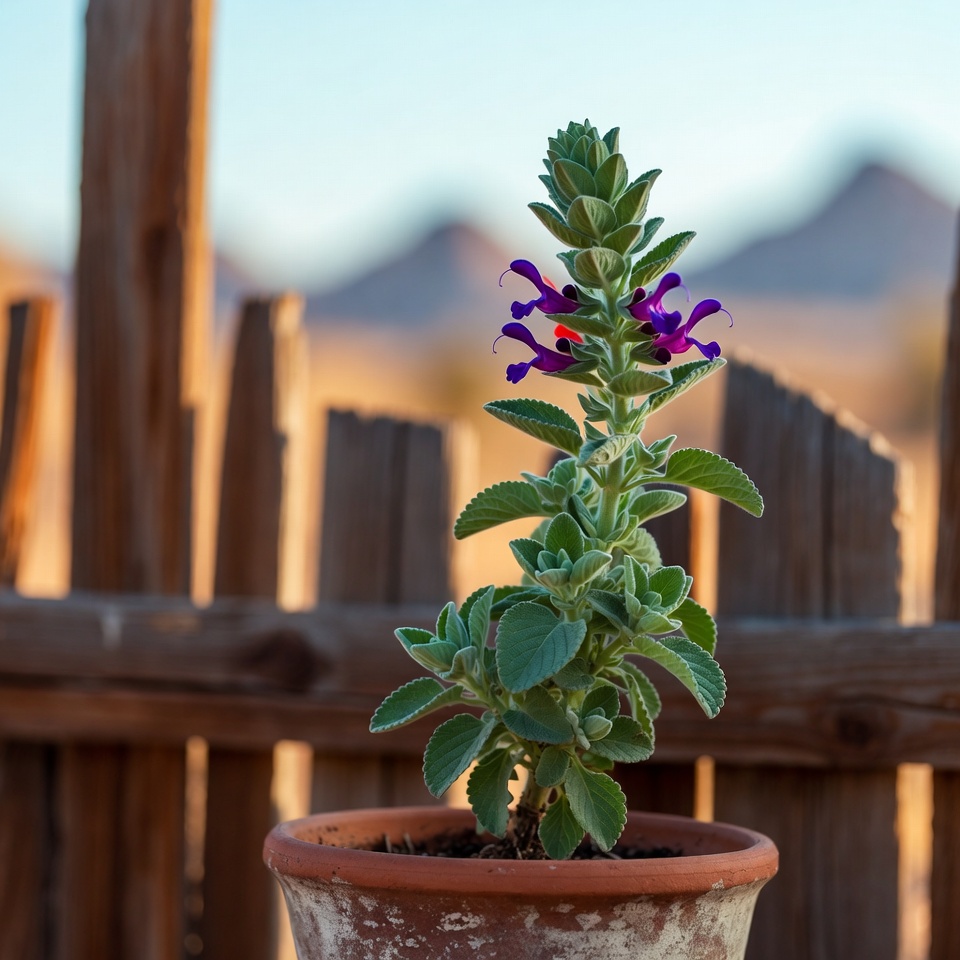
- How to use it: Steep fresh sage leaves in hot water for about 10 minutes. This sage tea is often used for menopause-related hot flashes and night sweats.
- Grandma’s trick: Drink it cold—many people find the anti-perspirant effect feels stronger that way.
2. Memory and Focus Support
Modern research has explored what traditional wisdom already suggested: sage may help by inhibiting enzymes involved in breaking down acetylcholine, a neurotransmitter linked to memory and attention.
- How to use it:
- Inhale sage essential oil briefly (never ingest unless directed by a qualified professional).
- Or enjoy a cup of sage tea before a task that requires concentration to help you feel clear-headed and alert.
3. Relief for Sore Throats, Mouth Sores, and Gum Irritation
Sage is widely known as a natural antiseptic. Its leaves contain tannins, traditionally valued for helping “dry out” inflammation and discouraging unwanted bacteria.
- How to use it (gargle):
- Prepare a strong sage infusion.
- Let it cool.
- Add a pinch of salt.
- Gargle three times a day for a sore throat, mouth ulcers (canker sores), or bleeding/irritated gums.
4. A Natural Rinse to Blend Gray Hair (For Dark Hair)
If you have brown or black hair and want a more natural way to soften the look of gray without harsh chemicals, sage is a traditional option.
- How to use it: Simmer a large handful of sage in ½ liter of water for 30 minutes. After shampooing, use the dark liquid as a final rinse.
- What to expect: With consistent use, sage can gradually deepen the appearance of gray strands and add shine to darker hair.
Sage Around the Home: Cleaning and Air Purifying
Sage isn’t only for wellness—many households use it for a fresher, cleaner home.
- All-purpose natural cleaner: Put a few sprigs of sage into a jar of white vinegar and let it infuse for 15 days. You’ll get a strong, great-smelling cleaner for kitchens and bathrooms.
- Traditional smoke cleanse (dried sage): Dry a small bundle and burn it like incense. The smoke has been traditionally used to help freshen the air, especially in rooms where someone has been ill.
Quick-Use Guide (Fast, Practical Applications)
| Concern | Preparation | How to use |
|---|---|---|
| Heavy digestion | Mild tea with 3 leaves | Drink after meals |
| Tired feet | Hot foot bath with sage | Soak 15 minutes |
| Insect bites | Crush a fresh leaf | Rub directly on skin |
| Bad breath | Chew one fresh leaf | Use directly in the mouth |
Important Precautions (Traditional Advice + Common Safety Notes)
Despite its benefits, sage is powerful partly due to a compound called thujone. Use with care:
- Pregnancy: Avoid consuming sage medicinally, as it may stimulate the uterus.
- Breastfeeding: Historically, sage was used to reduce breast milk supply, so it’s best to avoid if nursing.
- Moderation matters: Don’t drink sage infusion continuously for more than two weeks. Take at least one week off between periods of use.
Conclusion: A Lifelong Herb Worth Keeping
Growing a sage plant at home is like keeping a practical partner for digestion, mental clarity, oral comfort, and even natural hair care. It’s a simple reminder that nature can pack complex benefits into a few humble leaves. Give your sage sunlight and basic care—and it may return the favor the way grandmothers always promised.