
Choosing the Right Fats for Better Kidney-Friendly Eating
Worrying about kidney function can make everyday meals feel complicated. It is easy to become anxious about which foods may put extra pressure on your kidneys or worsen tiredness and other symptoms. Learning how different types of fat affect your body can make food decisions much easier and more reassuring. Even better, the simple substitutions you make each day may influence your health more than you realize.
Why Fat Quality Matters for Kidney Health
Your kidneys constantly filter waste and help keep your body in balance. Diet plays an important part in that process, especially because kidney health and heart health are closely connected. According to guidance from groups such as the National Kidney Foundation, selecting healthier fats may help lower inflammation and promote overall well-being in people who are keeping an eye on kidney function.
Poor fat choices over time can also raise cholesterol and create added strain on the body.
That said, fat does not need to be avoided completely. Some types of fat can fit well into a balanced, kidney-conscious eating plan.

4 Safer Fats to Include More Often
Many nutrition professionals recommend focusing on these fats and food sources when planning meals that support kidney health:
-
Olive Oil
Olive oil is rich in monounsaturated fat and is a key part of Mediterranean-style diets. It contains antioxidants and works well in salad dressings, drizzles, and gentle cooking. Extra virgin olive oil is often the best choice when possible, especially as a replacement for less healthy cooking fats. -
Canola Oil
With a mild taste and good performance at higher cooking temperatures, canola oil is another heart-supportive option. It offers a favorable fat profile without adding unnecessary ingredients. -
Omega-3 Fats from Fatty Fish Such as Salmon
Fish like salmon provide polyunsaturated fats, including omega-3 fatty acids, which research has linked to cardiovascular support. If it fits your care plan, baked or grilled fatty fish a few times per week can be a smart addition. -
Avocados in Moderate Amounts
Avocados contain creamy, satisfying monounsaturated fats and can add flavor to meals. However, portion size matters, so it is a good idea to confirm what works best with your healthcare provider based on your lab values.
These foods can bring both taste and balance to a kidney-aware diet.
4 Fats to Limit or Watch Carefully
Some fats are less supportive and may increase long-term stress on both the heart and kidneys. These are worth monitoring more closely:
-
Saturated Fats from Butter and Lard
Butter, lard, and fatty cuts of red meat are high in saturated fat, which may raise cholesterol levels. Limiting them is generally recommended. -
Trans Fats in Highly Processed Foods
Trans fats are commonly found in fried foods, packaged snacks, and many commercial baked goods. They are widely viewed as one of the least healthy fat choices. Reading ingredient lists and nutrition labels can help you avoid them. -
Coconut Oil and Palm Oil
Although often used in cooking and packaged foods, both are high in saturated fat. They are best used sparingly. -
Fats from Full-Fat Dairy and Fried Foods
Foods such as full-fat cheese, cream, and deep-fried items can add a large amount of unhealthy fat quickly. Lower-fat dairy options and baked alternatives are often better choices.
Being aware of these fats makes it easier to improve your meals without feeling restricted.
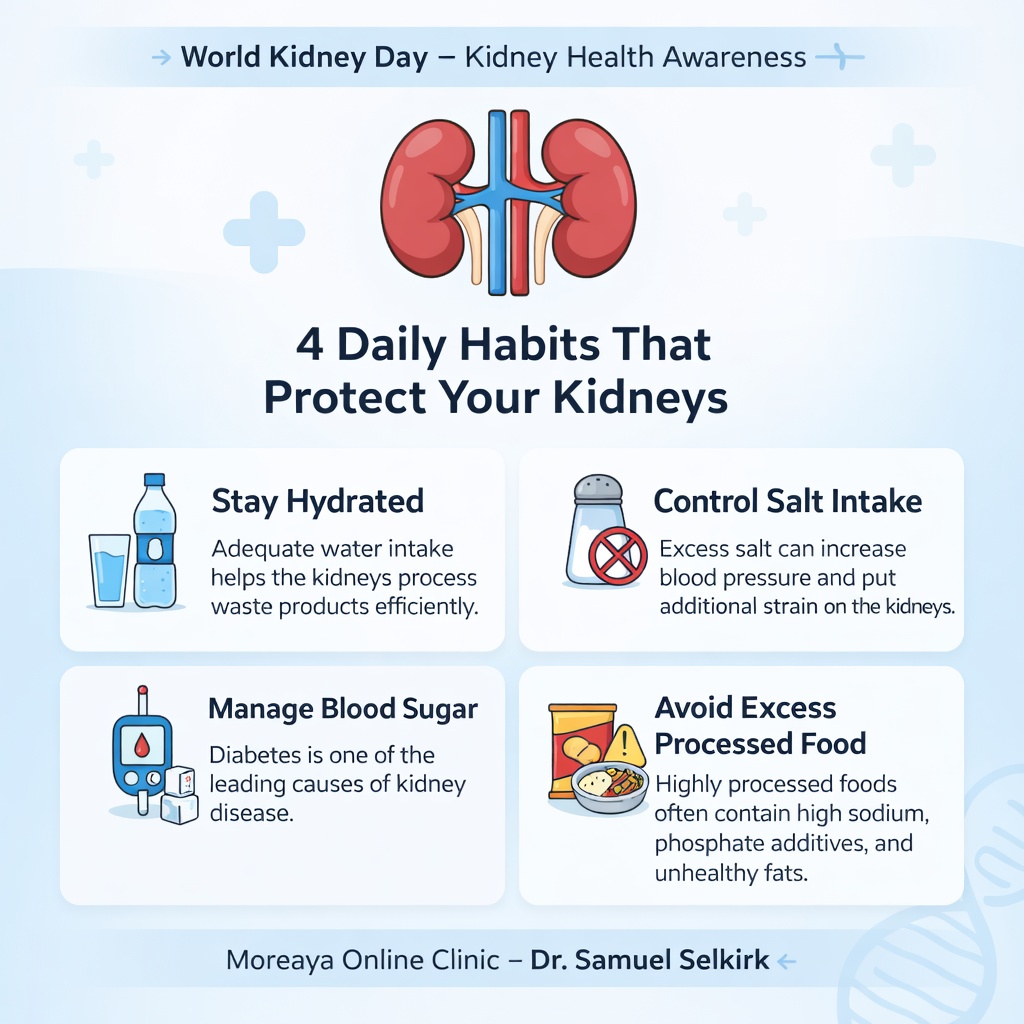
Simple Ways to Make Better Fat Choices Every Day
Healthy changes do not need to be difficult. A few practical habits can make a real difference over time:
- Check nutrition labels for saturated fat and trans fat before buying packaged foods.
- Use small amounts of healthier oils instead of butter or lard when cooking.
- Choose baking, grilling, or steaming instead of frying whenever possible.
- Add flavor with herbs, spices, lemon juice, or vinegar rather than depending on extra fats.
These small actions may seem minor, but when repeated daily, they can add up faster than expected.
A Special Note About Nuts and Seeds
Nuts and seeds can contain beneficial fats, but in some kidney conditions they may need extra attention because of nutrients such as phosphorus or potassium. For instance, peanut oil may sometimes fit into a plant-based eating plan, while whole peanuts may not work the same way for everyone. The best approach is to tailor these choices with the help of your healthcare team.

Building a Balanced, Sustainable Eating Plan
The most effective approach is not about cutting out every fat. It is about choosing better sources, watching portions, and preparing meals in a fresh, thoughtful way. Variety matters, and so does consistency.
Working with your doctor or a registered dietitian can help you adjust your eating plan according to your kidney function, lab results, and overall health needs.
Progress comes from steady habits, not perfection. Over time, these decisions can help support how your body manages everyday demands.
Conclusion
Knowing which fats are safer and which ones deserve caution can help you make more confident choices at mealtime. Prioritizing unsaturated fats while cutting back on saturated and trans fats is a practical step toward supporting your body’s natural balance. Start with one or two easy swaps this week and build from there.
FAQ
1. Are all oils a good choice for people concerned about kidney health?
No. Oils differ in their fat composition. Options such as olive oil and canola oil are generally preferred because they contain more unsaturated fat, while oils high in saturated fat are usually less ideal. Your personal needs may depend on your kidney stage and lab results.
2. Can nuts still be part of my diet if I am watching kidney health?
Sometimes, yes. Nuts can provide healthy fats, but they may also contain phosphorus or potassium, so portion control is important. A dietitian can help you decide which types and amounts are appropriate.
3. How soon will healthier fat choices make a difference?
The timeline varies from person to person. Rather than expecting immediate changes, focus on steady habits and regular follow-ups with your healthcare team.