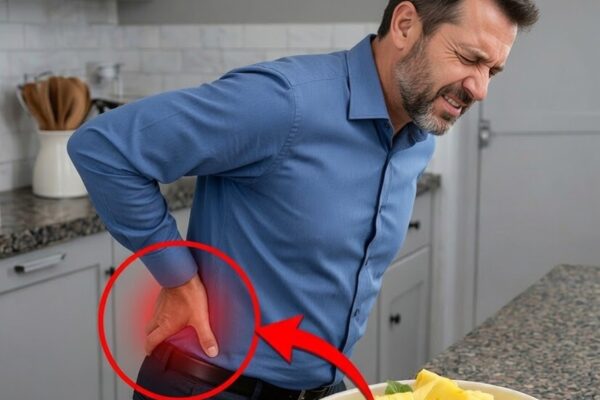
Joint Pain After 50: What Really Works?
Joint pain is extremely common, especially after the age of 50. It can be linked to cartilage wear and tear (osteoarthritis), inflammation, injuries, excess body weight, or autoimmune conditions.
Despite the countless claims of a “100% guaranteed cure,” there is no single treatment that works perfectly for everyone. However, there are evidence-based strategies that can significantly reduce pain and improve mobility.
1. Managing Body Weight
Extra weight puts additional stress on weight-bearing joints such as the knees, hips, and ankles.

- Losing as little as 5–10% of your body weight can noticeably ease joint pain, particularly in the knees.
- Less pressure on the joints can slow down further damage and improve daily function.
2. The Right Kind of Exercise (A Key Strategy)
Regular movement is one of the most effective ways to manage joint pain and stiffness.
Recommended activities:
- Moderate walking
- Swimming
- Stationary cycling
- Muscle-strengthening exercises
- Gentle stretching and mobility work
Strengthening the muscles around the affected joints helps stabilize them and reduces the direct load on the cartilage. Consistent, low-impact exercise can improve flexibility, reduce stiffness, and support long-term joint health.
3. Anti-Inflammatory Eating Pattern
What you eat can influence inflammation levels in the body and, in turn, affect joint pain.
Foods that may help reduce inflammation:
- Fatty fish rich in omega-3s (such as salmon and sardines)
- Berries and other red fruits (like strawberries and blueberries)
- Leafy green vegetables
- Extra-virgin olive oil
- Nuts and seeds
At the same time, limiting ultra-processed foods, refined sugars, and fried foods can support better joint health and lower overall inflammation.
4. Collagen and Vitamin C
Collagen is a structural protein that plays a role in cartilage health. When taken regularly over several weeks, collagen supplements may support joint function in some people.
Vitamin C is essential because it helps the body naturally produce collagen.
- These are not instant fixes or magic cures.
- They can, however, be useful as part of a broader, long-term joint care strategy, especially when combined with a good diet and exercise.
Always discuss supplements with a healthcare professional to ensure they are appropriate for you.
5. Physical Therapies
Physical and rehabilitative therapies can be extremely helpful, particularly when pain or stiffness is more pronounced.
Options include:
- Physiotherapy (physical therapy)
- Cold or heat application, depending on the condition and phase (acute vs chronic)
- Guided mobility and stretching techniques
For moderate to severe cases, a doctor may recommend:
- Specific pain or anti-inflammatory medications
- Joint injections (infiltrations)
- Other specialized treatments or procedures, depending on the diagnosis
6. Sleep and Stress Management
Poor sleep and chronic stress can make pain feel more intense and harder to tolerate.
- Aim for 7–8 hours of quality sleep each night.
- Incorporate relaxation techniques such as deep breathing, meditation, or gentle yoga.
Improving sleep and reducing stress can lower the perception of pain and enhance overall well-being.
Conclusion: No Miracle Cure, But Real Improvement Is Possible
There is no universal, “miracle” cure that eliminates joint pain in every person. Still, combining several proven strategies can make a powerful difference:
- Maintaining a healthy body weight
- Engaging in appropriate, regular exercise
- Following a balanced, anti-inflammatory diet
- Using supplements responsibly when indicated
- Receiving consistent medical supervision
Together, these approaches can substantially reduce joint pain and improve quality of life.
If your pain is severe, long-lasting, or interferes with your daily activities, consult a doctor or specialist. A proper diagnosis and personalized treatment plan are essential for protecting your joints and staying active as you age.