Nighttime Fruits That Support Muscle Health and Fight Sarcopenia
As we age, many people gradually lose muscle mass and strength, a condition known as sarcopenia. This process can reduce physical power, affect balance, and limit mobility, increasing the risk of falls and loss of independence.

While exercise and sufficient protein are essential, what you eat at night can also support muscle recovery. During sleep, the body repairs tissues, and providing the right nutrients can help protect and maintain muscle.
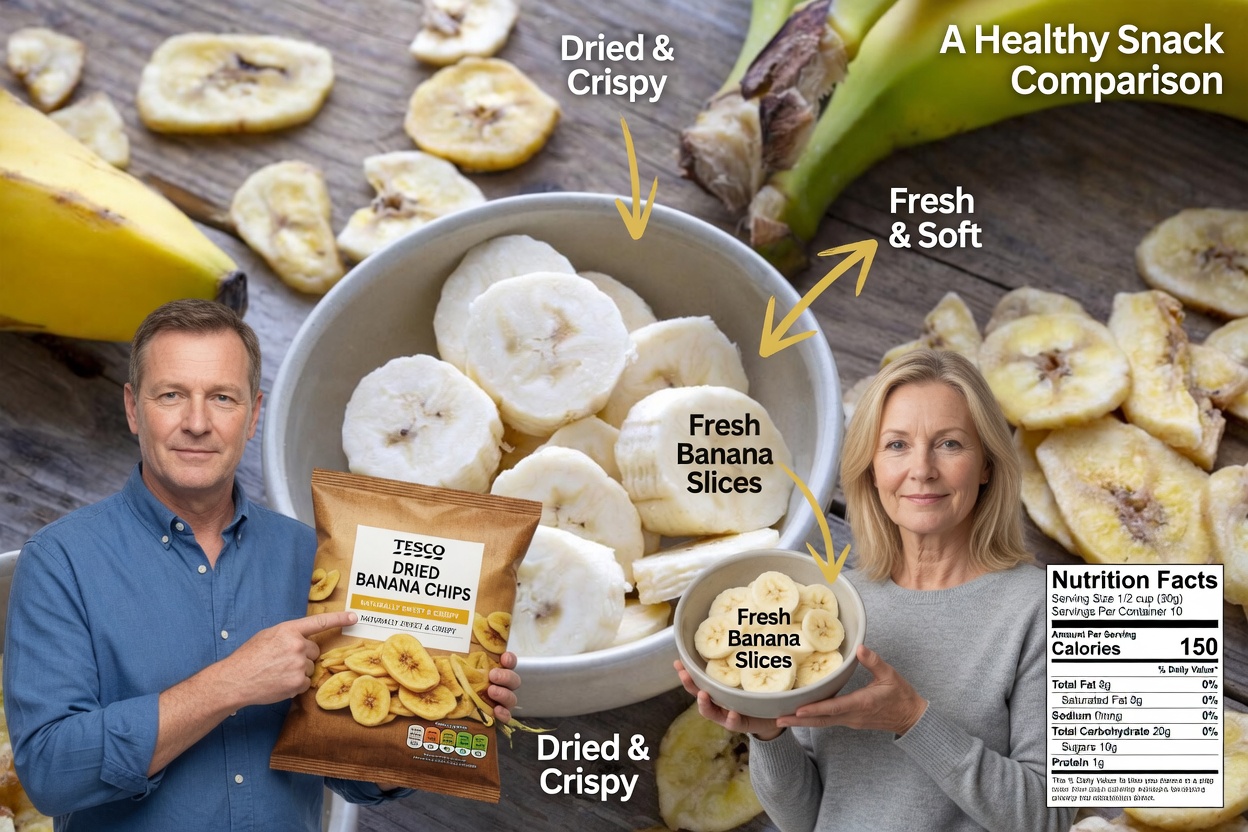
Certain fruits are especially helpful because they supply antioxidants, potassium, vitamins, and enzymes that support muscle health, reduce inflammation, and assist metabolism. Here are some of the best options to include in your evening routine.
1. Banana (Plantain)
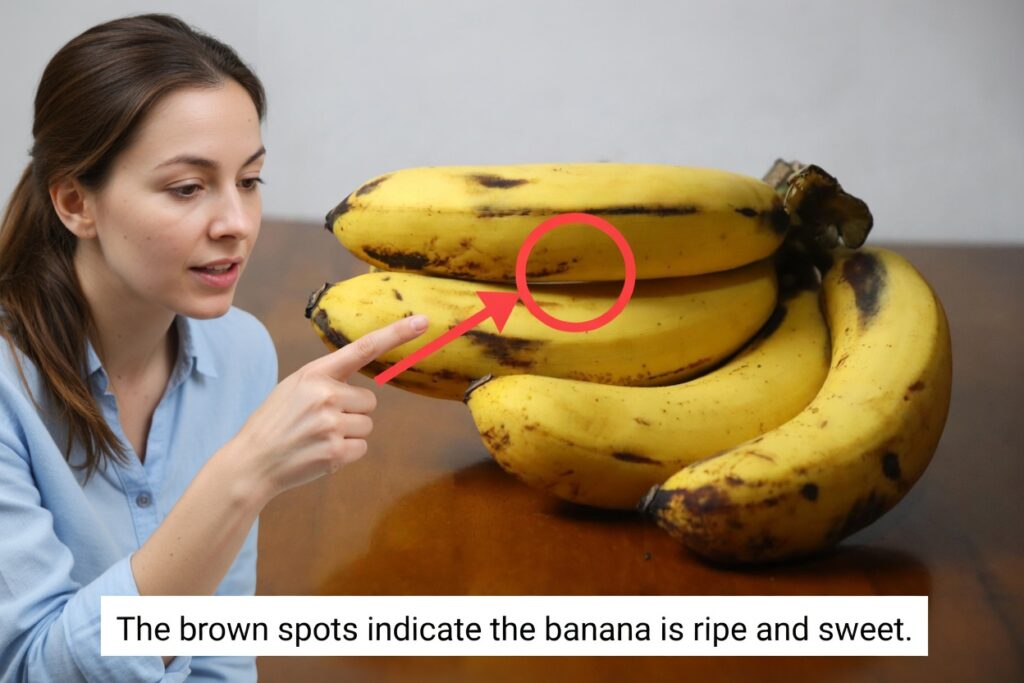
Bananas are packed with potassium and magnesium, two key minerals for proper muscle function and nerve signaling.
Eating a banana in the evening may help:
- Decrease the risk of nighttime muscle cramps
- Support muscle recovery after daily activity or exercise
- Provide slow-releasing carbohydrates for steady energy through the night
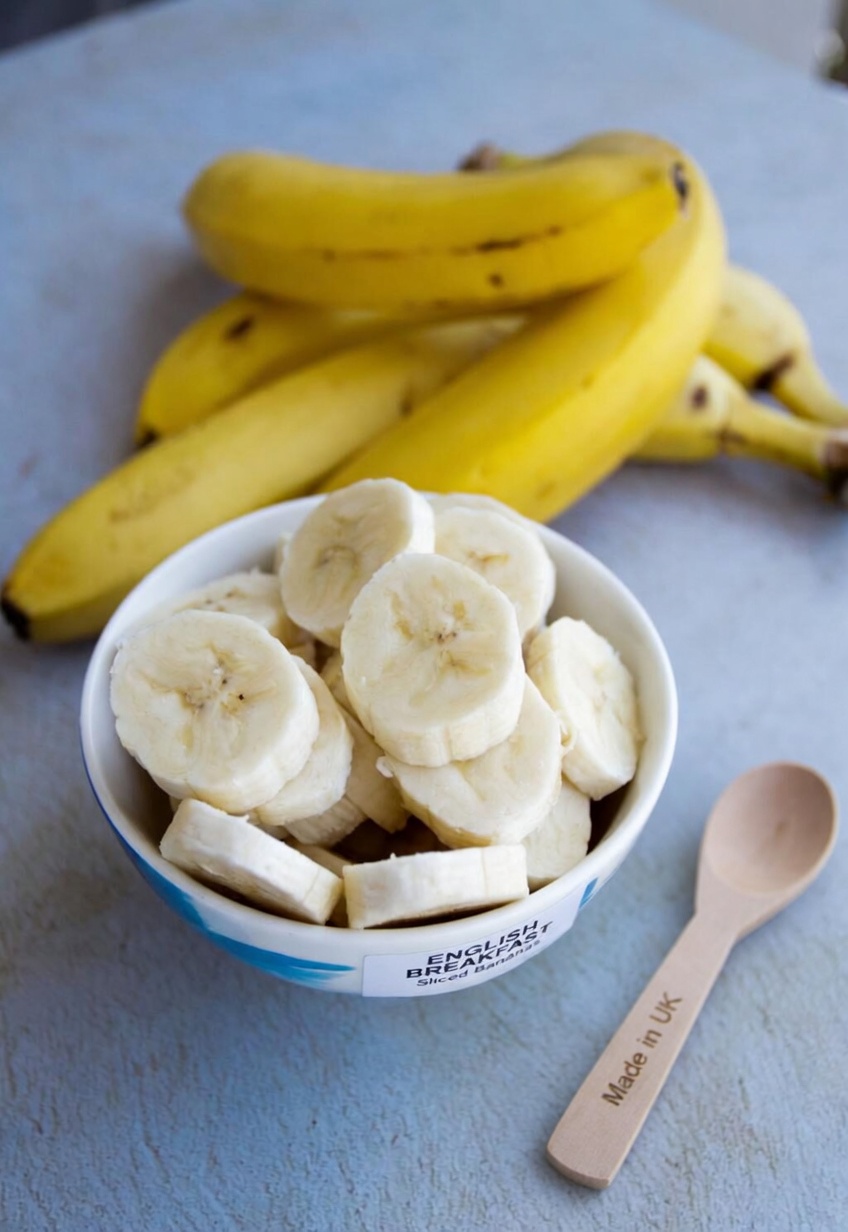
You can enjoy bananas on their own, sliced over yogurt, or blended into a light smoothie before bed.
2. Papaya
Papaya is rich in vitamin C and natural digestive enzymes (such as papain) that help improve nutrient absorption, including those nutrients needed for muscle maintenance.
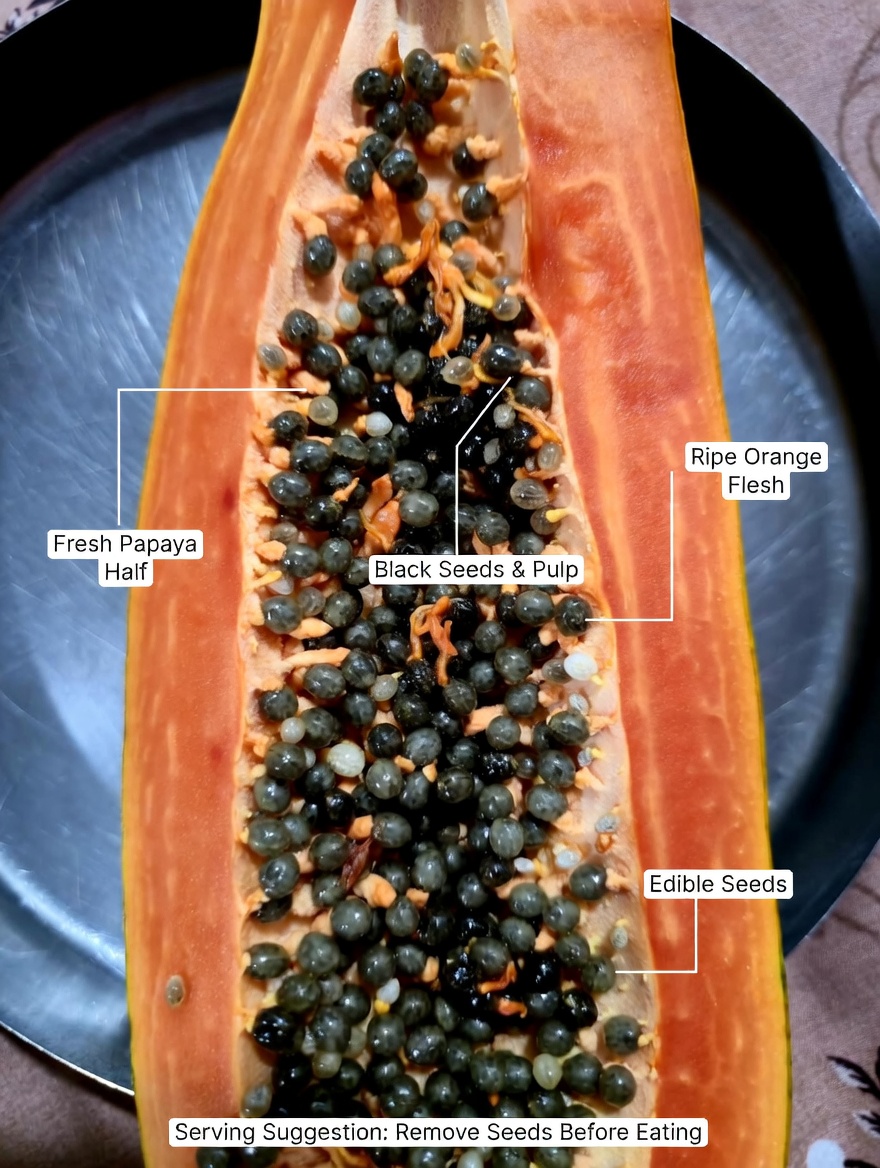
Benefits of papaya at night include:
- Supporting gentle digestion before sleep
- Helping the body better absorb proteins and minerals
- Contributing antioxidants that combat inflammation in muscles
A small portion of ripe papaya can be a soothing, light dessert in the evening.
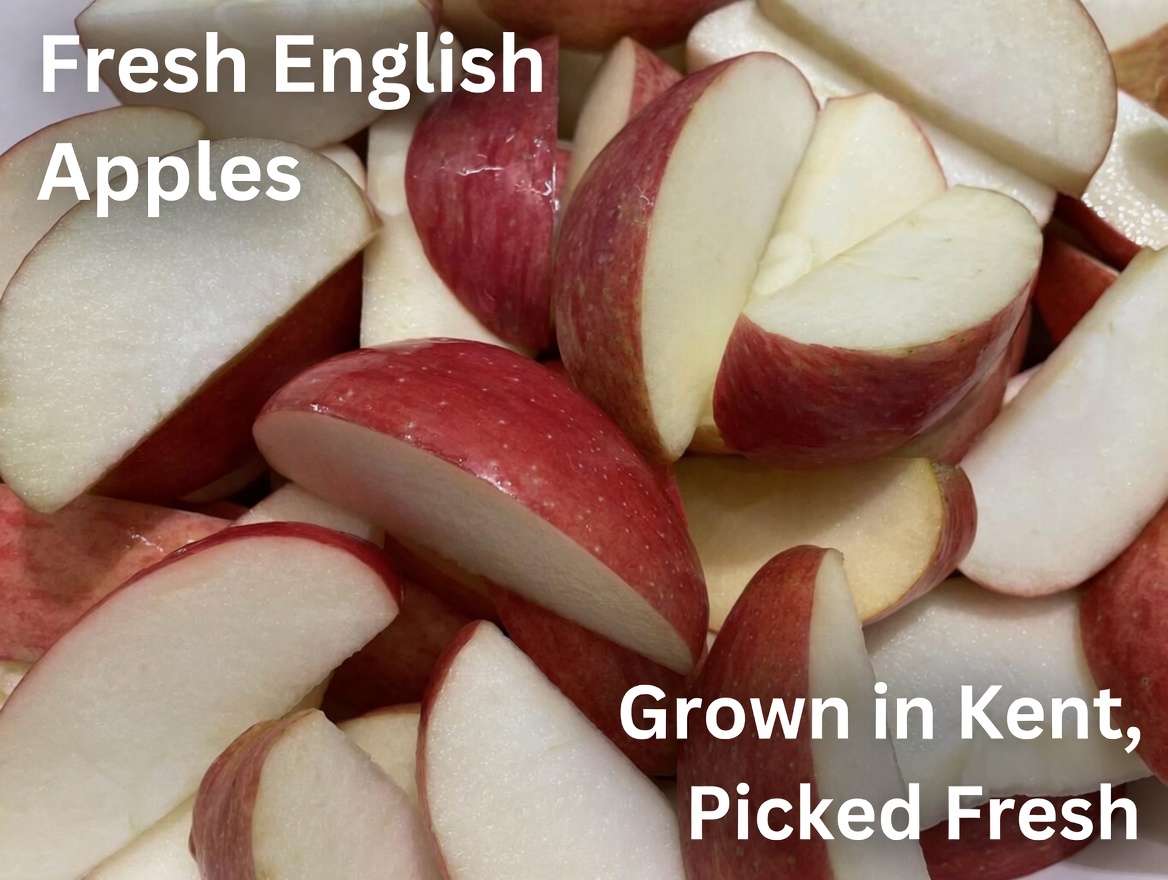
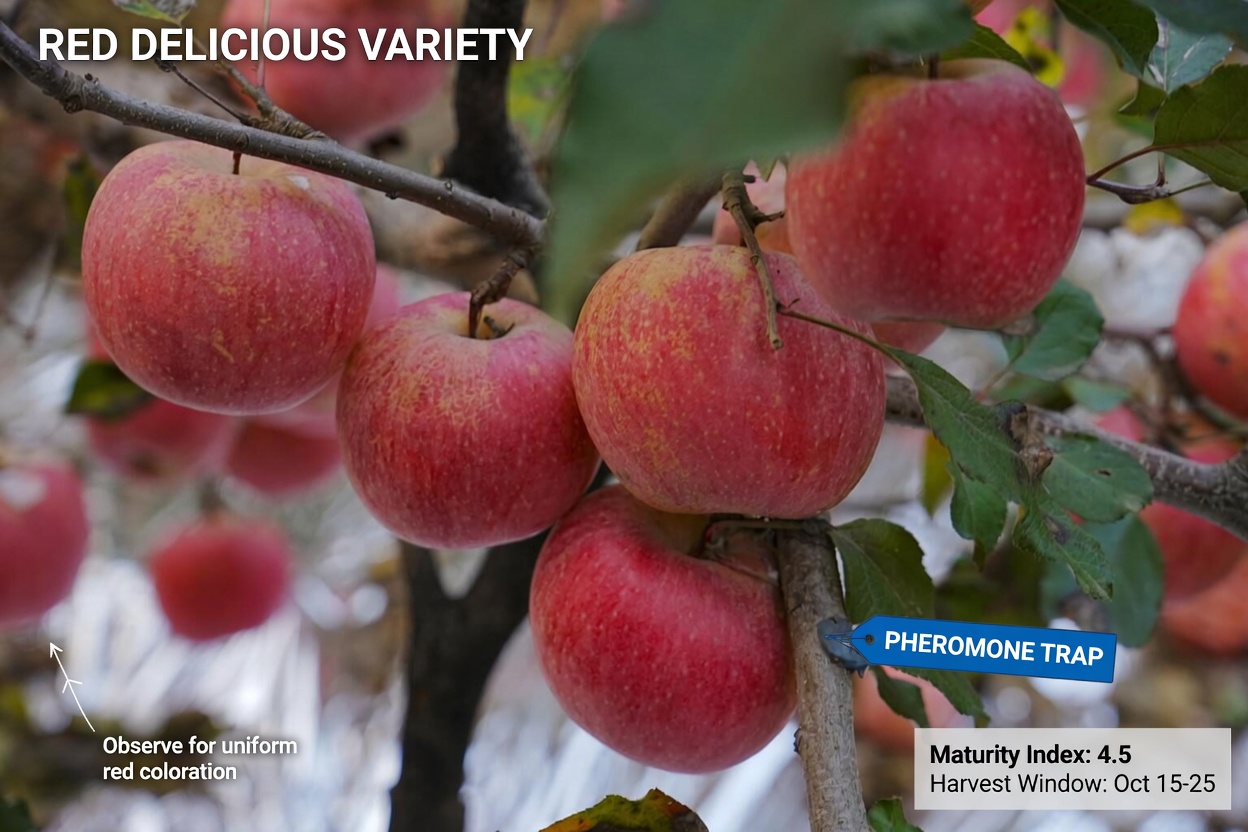
3. Apple
Apples provide dietary fiber and antioxidants that help control inflammation and keep blood sugar levels more stable overnight.
Adding an apple to your nighttime snack can:
- Support steady blood sugar, which is important for muscle repair
- Offer anti-inflammatory compounds that protect muscle cells
- Provide a satisfying, low-calorie option to curb late-night cravings
For easier digestion, you can eat it raw, baked, or sliced with a small portion of protein such as yogurt or cottage cheese.
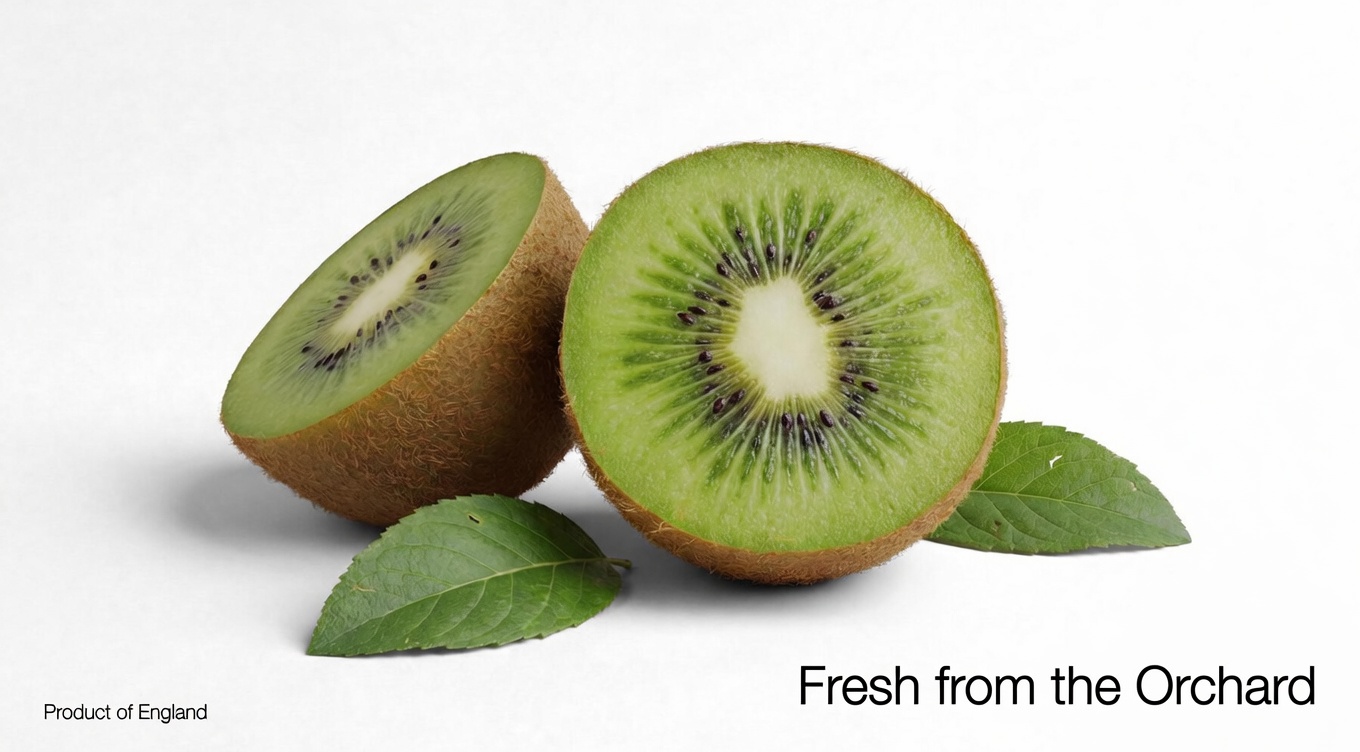
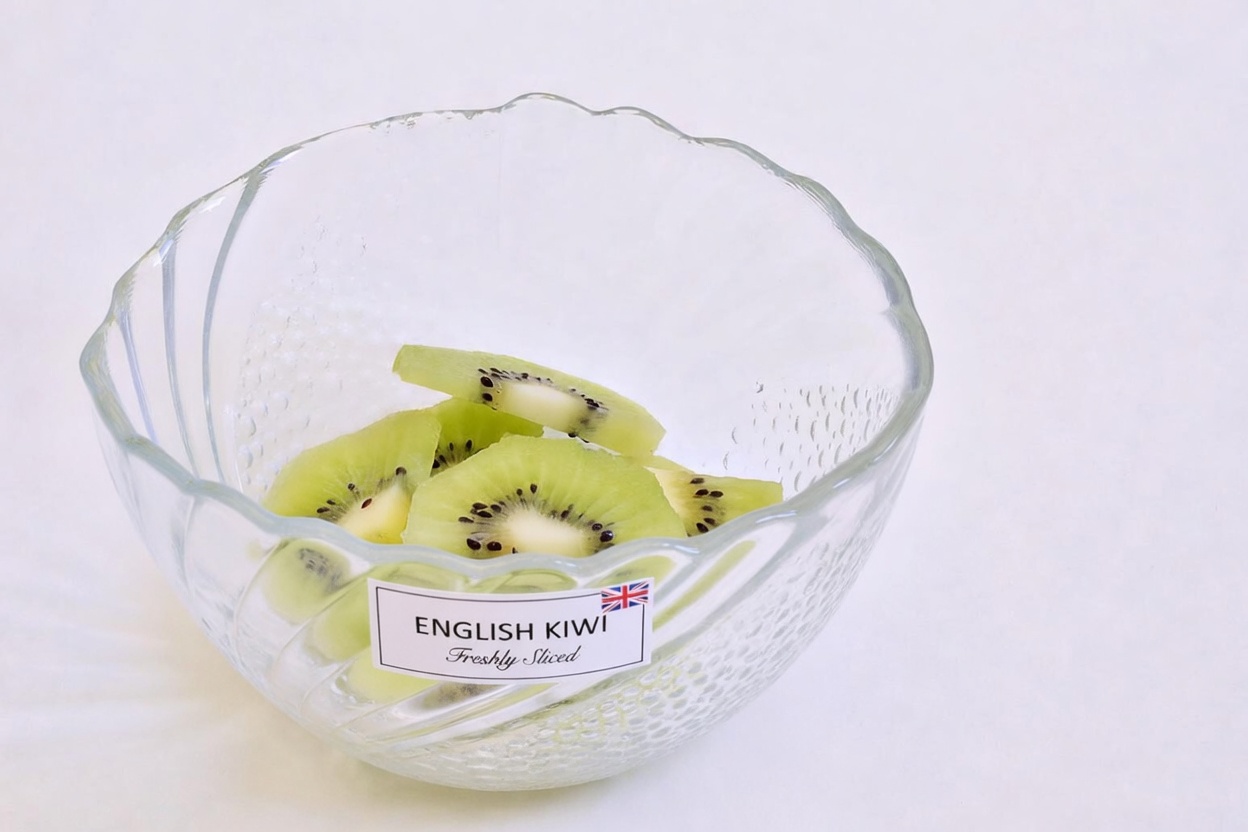
4. Kiwi
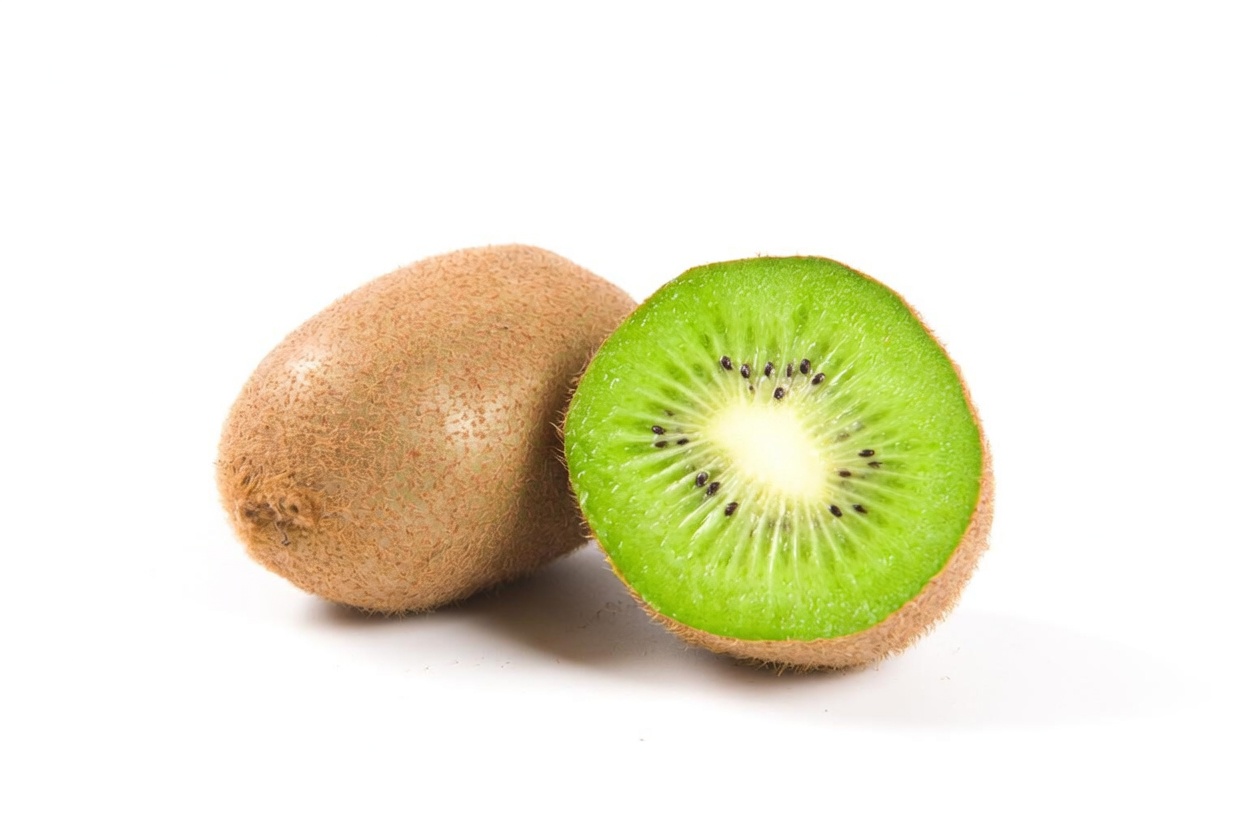
Kiwi is well known for its high vitamin C content and strong antioxidant profile.
Interestingly, some studies suggest kiwi may help improve sleep quality, which is crucial because muscles recover and grow primarily while you sleep. Having kiwi at night may:
- Boost immune and muscle health with vitamin C
- Provide antioxidants that reduce oxidative stress in muscle tissue
- Support better sleep, indirectly aiding muscle repair
Try one or two kiwis after dinner for a refreshing, nutrient-dense dessert.
5. Avocado
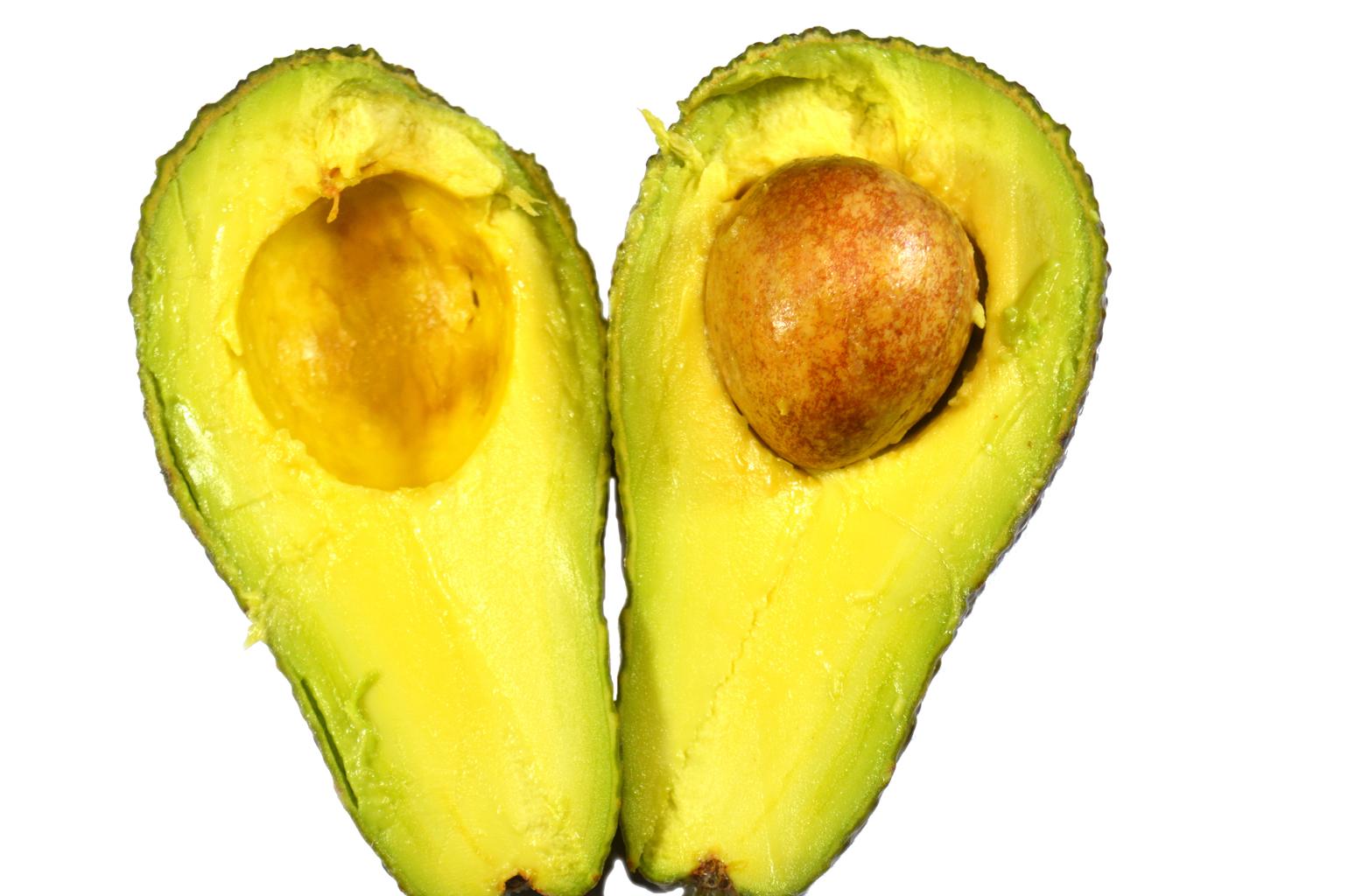
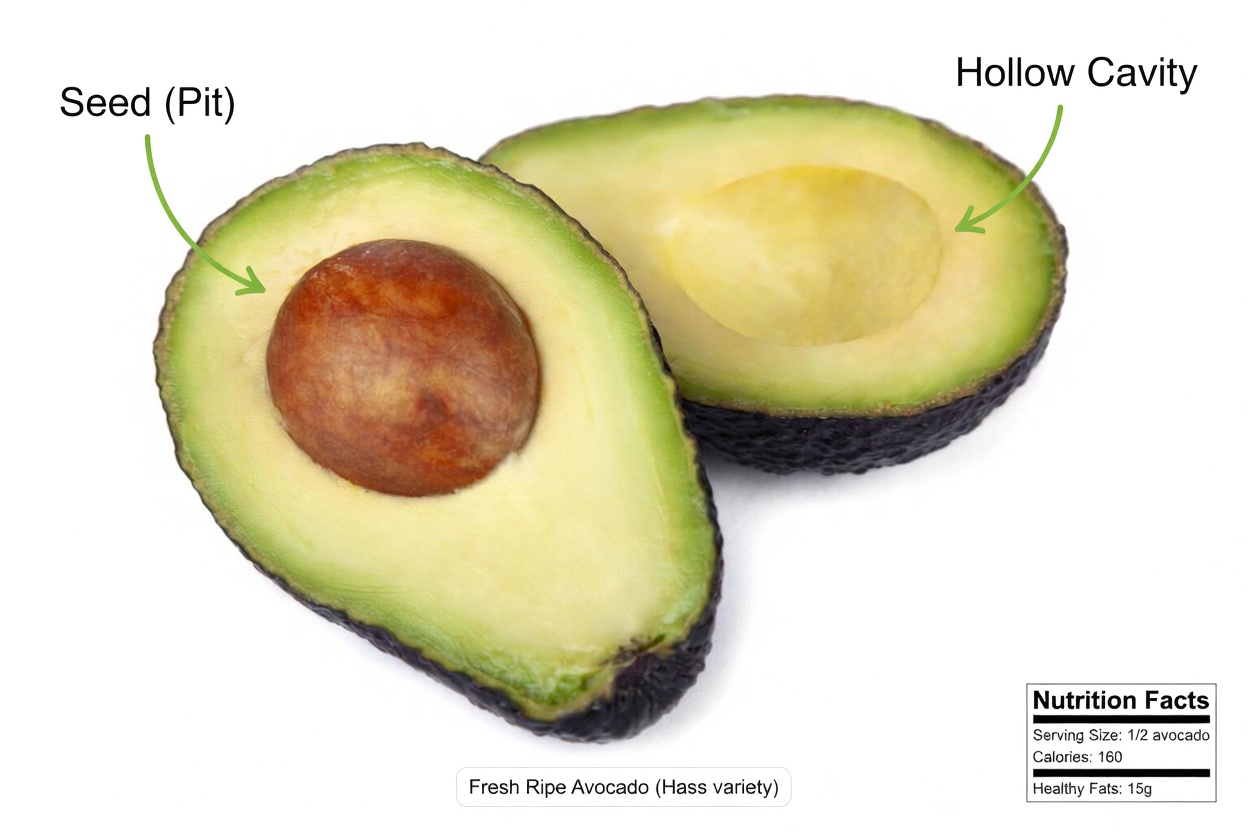
Although many people think of it as a vegetable, avocado is technically a fruit and an excellent source of healthy fats and potassium.
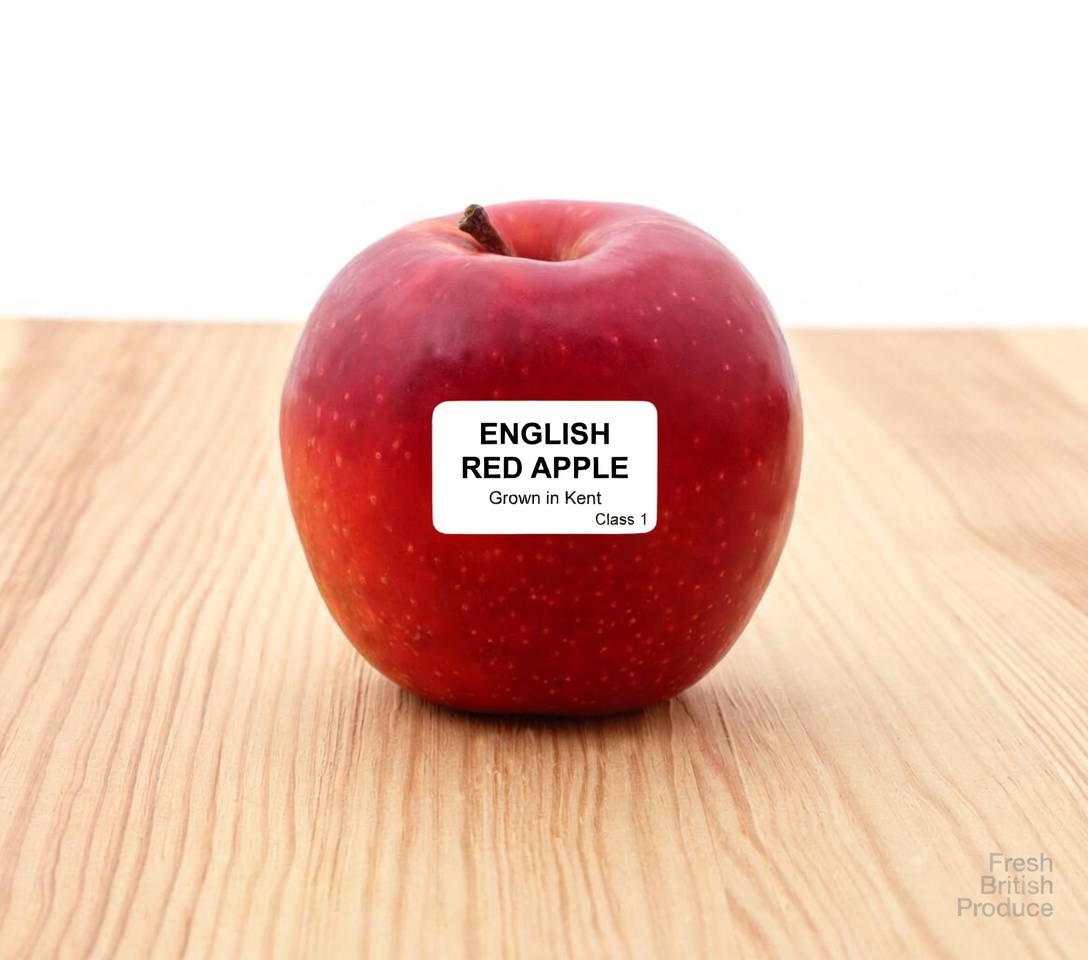
The healthy monounsaturated fats in avocado can:
- Support muscle cell health and hormone production
- Benefit cardiovascular health, which is essential for delivering nutrients to muscles
- Help keep you full and satisfied, reducing the need for less healthy late-night snacks
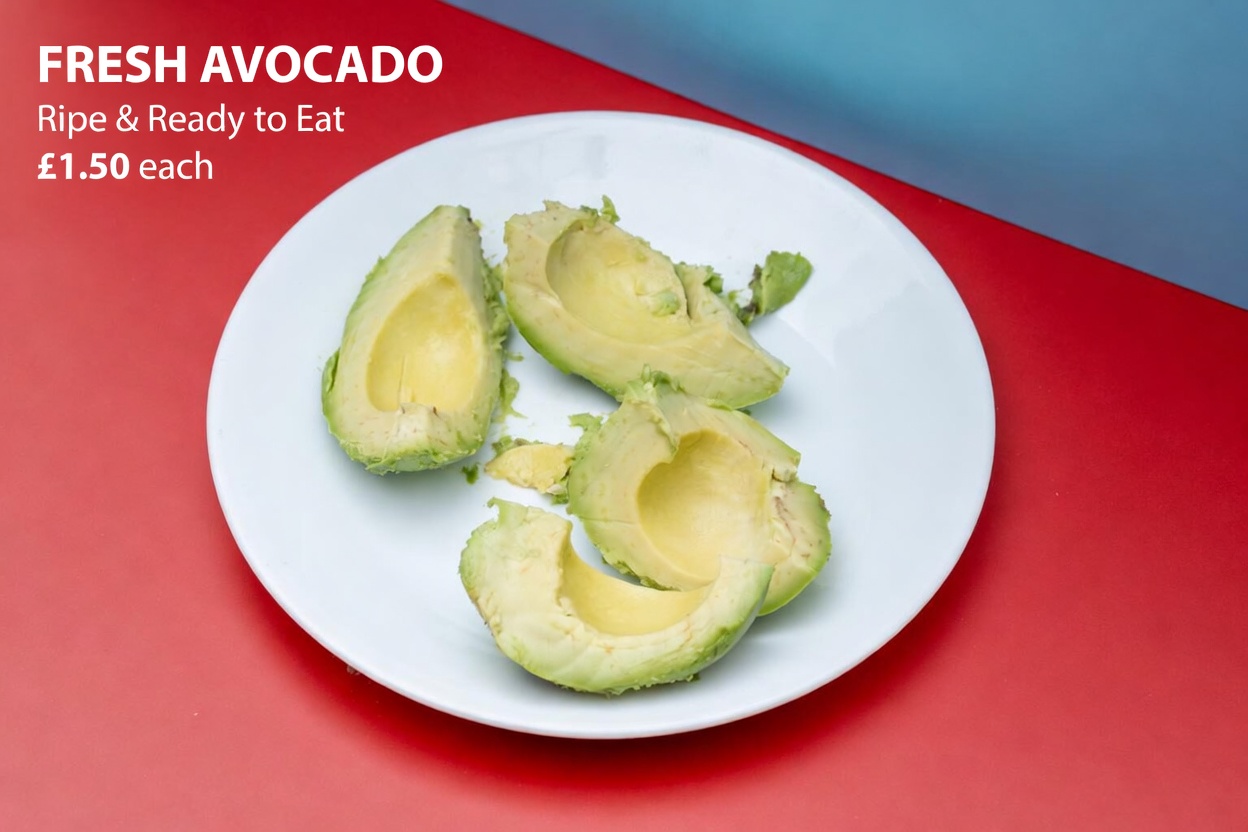
A few avocado slices with whole-grain toast or eggs at dinner can be a powerful addition to a muscle-friendly diet.
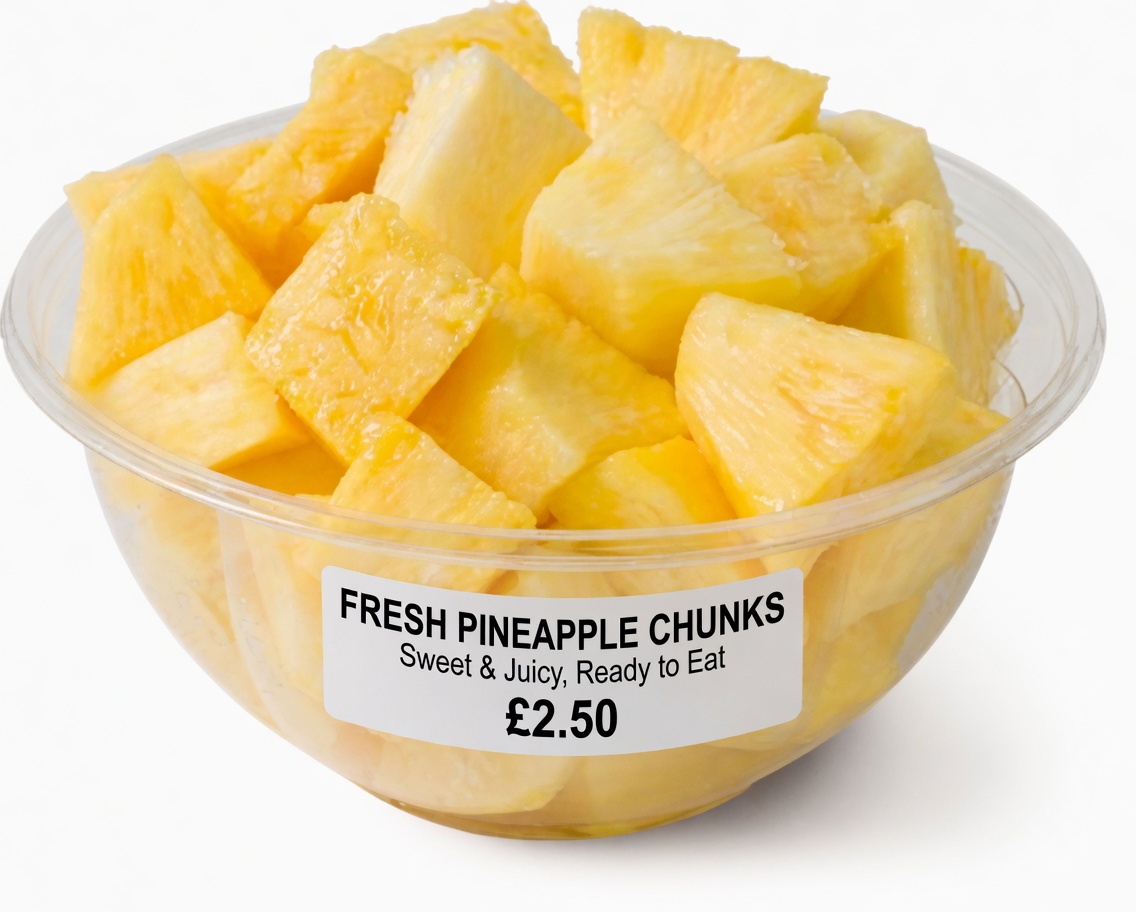
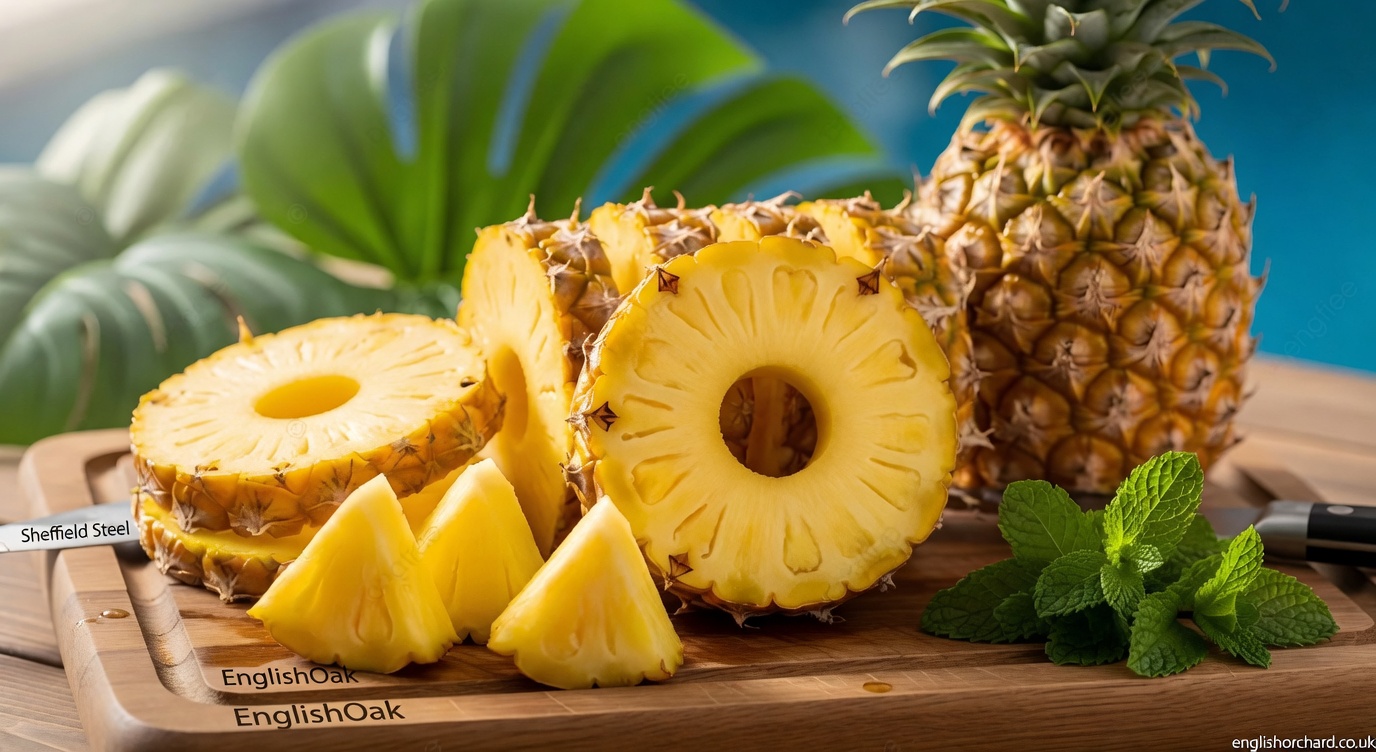
6. Pineapple
Pineapple contains bromelain, a natural enzyme that may help reduce inflammation and support recovery after physical activity.
Including pineapple in your evening meal or snack can:
- Help ease muscle soreness after exercise
- Support digestion of proteins
- Provide vitamin C and antioxidants that protect muscle cells
Enjoy a small portion of fresh pineapple rather than canned varieties high in added sugar.
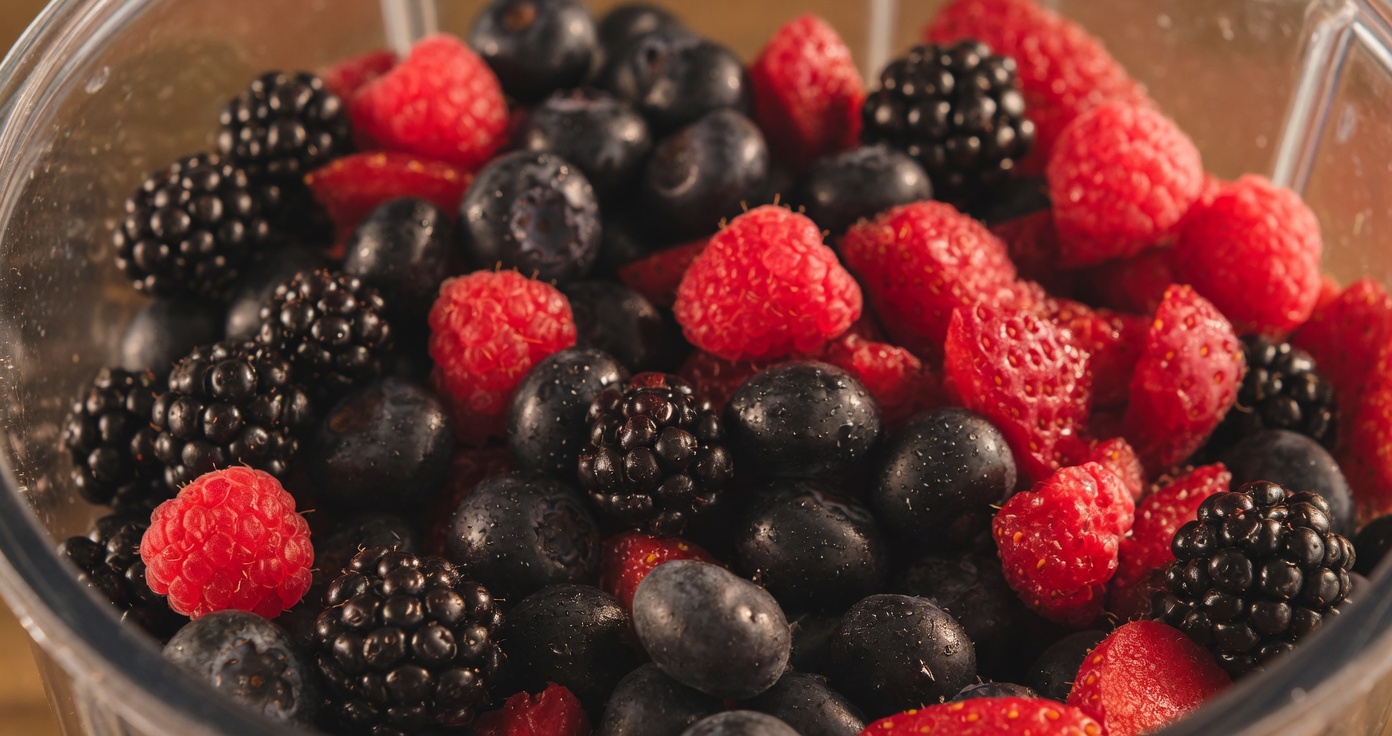
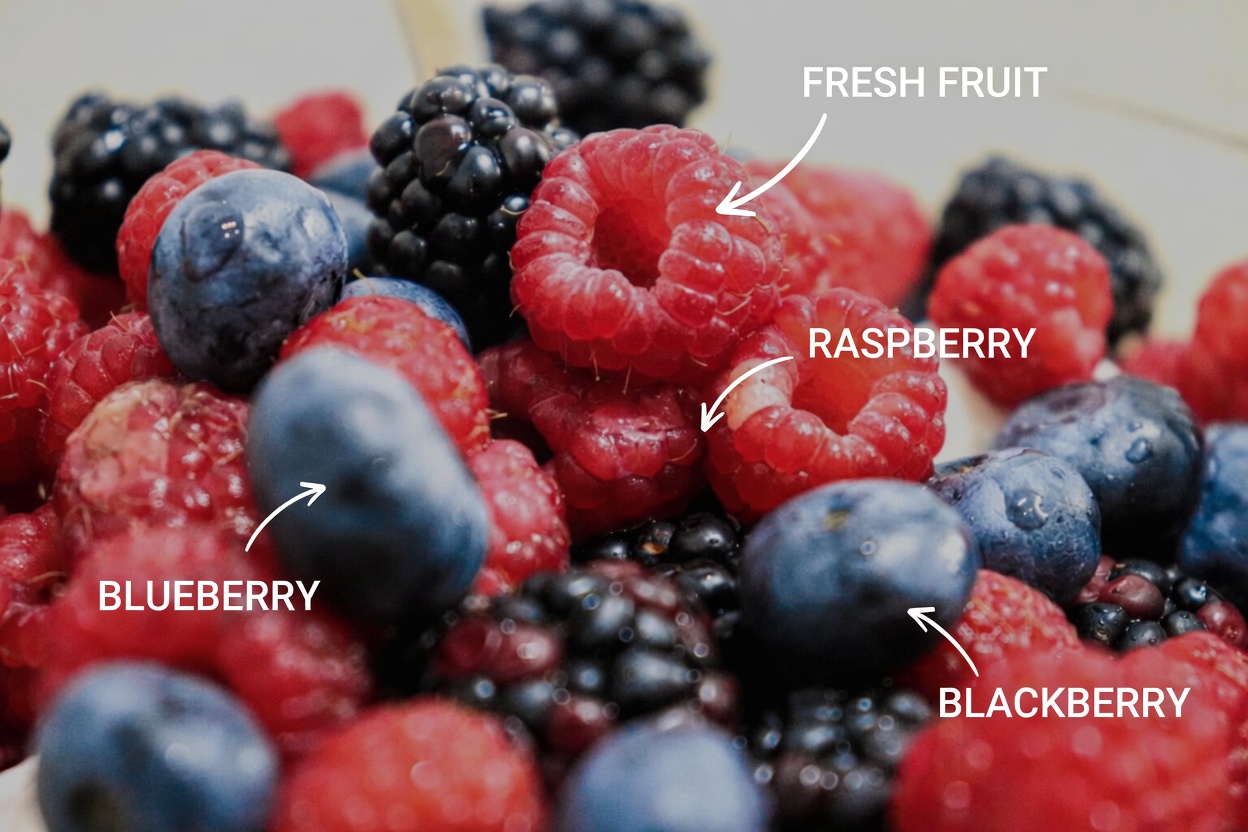
7. Berries (Strawberries, Blueberries, and Other Red Berries)
Berries such as strawberries, blueberries, raspberries, and blackberries are rich in antioxidants and phytonutrients that help shield muscle cells from oxidative damage.
Regularly eating berries at night can:
- Protect muscles from oxidative stress linked to aging and intense activity
- Support overall metabolic health
- Add vitamins, fiber, and flavor with relatively few calories
You can add berries to yogurt, oatmeal, or enjoy a small bowl on their own as a light, muscle-friendly dessert.
Essential Tip: Fruit Alone Is Not Enough
While these fruits can support muscle health and nighttime recovery, they are only one part of a strategy to prevent or slow sarcopenia.
To effectively maintain muscle mass, it is important to combine fruit with:
- Adequate protein throughout the day
- Include lean meats, fish, eggs, dairy, tofu, legumes, or plant-based protein sources
- Spread protein intake across meals to optimize muscle repair
- Regular physical activity
- Prioritize strength or resistance training (with weights, bands, or body weight)
- Add walking, cycling, or other aerobic exercises to support circulation and heart health
- Quality sleep and recovery
- Aim for consistent, restorative sleep each night
- Manage stress, as chronic stress can impair muscle maintenance
These combined habits work together to preserve muscle mass, improve strength, and reduce problems associated with sarcopenia.
How to Add These Fruits to Your Nighttime Routine
Here are some simple ways to include muscle-supporting fruits in your evening:
- Balanced evening snack
- Banana with a spoonful of peanut butter
- Greek yogurt with berries
- A small bowl of papaya or pineapple after dinner
- Light dessert alternatives
- Baked apple with cinnamon
- Kiwi and berries fruit salad
- Avocado spread on whole-grain toast as a late dinner option
- Post-exercise evening recovery
- Smoothie with banana, berries, and a protein source
- Pineapple and yogurt parfait
- Papaya with cottage cheese

The goal is to keep portions moderate and pair fruits with protein or healthy fats when possible to support blood sugar balance and muscle repair.
When to Seek Professional Guidance
If you are concerned about muscle loss, weakness, or changes in balance, it is important not to rely on diet changes alone.
Always consult a doctor or registered dietitian/nutritionist before making significant changes to your eating habits, especially if you:
- Have chronic health conditions (such as diabetes, kidney disease, or heart disease)
- Take medications that affect potassium or fluid balance
- Experience unexplained weight loss or persistent fatigue
A healthcare professional can help:
- Assess your current muscle mass and nutritional status
- Design a personalized eating plan that fits your health needs
- Recommend appropriate exercise strategies to combat sarcopenia
Key Takeaways for Preventing Muscle Loss
- Sarcopenia is a gradual loss of muscle mass and strength that often occurs with aging.
- Eating the right fruits at night—such as bananas, papaya, apples, kiwi, avocado, pineapple, and berries—can support muscle recovery and overall metabolic health.
- For best results, combine these fruits with:
- Enough protein during the day
- Regular strength and aerobic exercise
- Good sleep and stress management

With consistent healthy habits and, when needed, professional guidance, you can help protect your muscles, maintain strength, and support better quality of life as you age.