Vegetables That Seniors Should Eat With Caution
In senior nutrition, the idea that “all vegetables are always healthy” deserves a closer look. As the body ages, kidney filtration, digestive efficiency, and the way medications work in the body all change. Vegetables that are harmless in youth may pose specific risks after age 60 because of antinutritional compounds or their effects on existing health conditions.
Below are the vegetables that require closer supervision, adjusted portions, or specific preparation methods to help protect the health of older adults.
How Antinutrients Affect the Aging Body
From around the sixth decade of life, the body becomes more sensitive to substances such as oxalates, goitrogens, and very tough insoluble fibers. Understanding how these compounds interact with your body is essential for healthy aging and longevity.
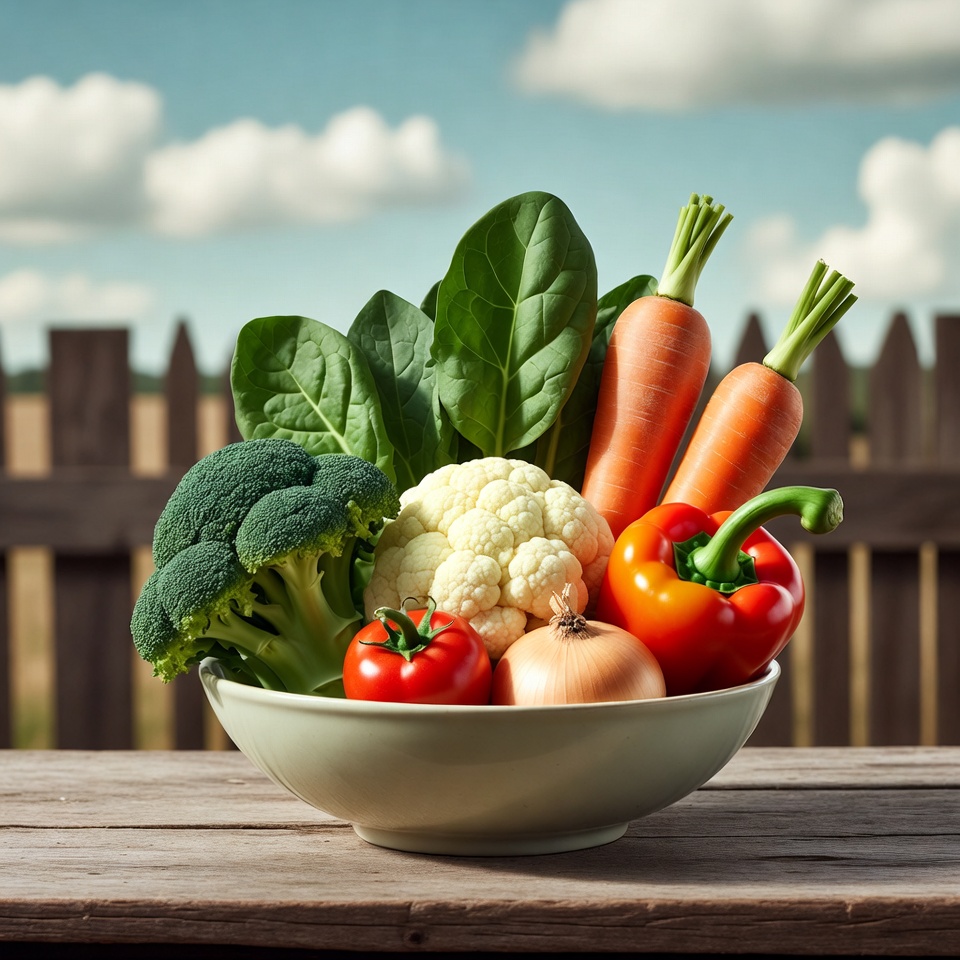
1. Raw Spinach (Oxalate Overload)
Raw spinach, while known for its iron content, is also high in oxalates.
These compounds can:
- Bind to calcium in the body
- Form calcium oxalate crystals
- Increase the risk of kidney stones, especially in older adults with reduced kidney function
Lightly cooking spinach and consuming it in moderation may be a safer option for seniors prone to kidney issues.
2. Raw Cauliflower and Broccoli (Thyroid Interference)
Cruciferous vegetables like cauliflower and broccoli contain goitrogens, substances that can interfere with the thyroid’s ability to absorb iodine. In large amounts and especially when eaten raw, they may:
- Worsen or trigger thyroid imbalances in susceptible individuals
- Be problematic for seniors with existing hypothyroidism
Cooking these vegetables (steaming, boiling, or sautéing) significantly reduces their goitrogenic activity, making them safer for regular consumption.
3. Kale (Interaction With Blood Thinners)
Kale is exceptionally rich in vitamin K, a nutrient that plays a key role in blood clotting. For older adults taking anticoagulant medications such as warfarin, excessive kale intake can:
- Counteract the effects of the medication
- Make blood thinner doses less effective or unpredictable
This does not mean kale must be eliminated, but intake should be consistent and monitored under medical guidance.
4. Tough Raw Leafy Vegetables (Digestive Strain)
Raw cabbage and other hard, fibrous leafy vegetables contain very resistant cellulose fibers. As stomach acid production naturally declines with age, these foods can:
- Be difficult to break down
- Lead to bloating and excessive gas
- Occasionally contribute to mild intestinal blockages in vulnerable individuals
Cooking, fermenting, or finely shredding these vegetables can improve digestibility for seniors.
5. Green Tomatoes and Eggplant (Solanine Sensitivity)
Green (unripe) tomatoes and eggplants are part of the nightshade family and contain solanine, a natural compound that can be problematic for some people. In certain older adults with arthritis or chronic inflammatory conditions, solanine may:
- Intensify joint pain
- Aggravate inflammation
Ripe tomatoes and moderate eggplant intake are typically better tolerated, but those who notice symptom flares should discuss this with a healthcare provider.
6. Canned Vegetables (Excess Sodium)
Many canned vegetables are preserved in brine or highly salted liquids. For seniors, especially those with:
- High blood pressure
- Heart disease
- Tendencies to retain fluid (edema)
these products can directly strain cardiovascular health and worsen blood pressure control.
Choosing low-sodium or no-salt-added options—or switching to fresh or frozen vegetables—is usually a healthier choice.
7. Raw Sprouts (Bacterial Contamination Risk)
Raw sprouts such as alfalfa or soybean sprouts are particularly prone to contamination by bacteria like Salmonella and E. coli. In older adults, whose immune systems may be less robust, these infections:
- Are harder to fight off
- Can lead to more severe illness and complications
Cooking sprouts thoroughly greatly reduces the risk of foodborne infection.
How Seniors Can Eat These Vegetables More Safely
Eliminating these vegetables entirely is usually not necessary. Instead, senior-friendly nutrition is about smart preparation and mindful choices.
1. Use the “Cook It” Rule
Cooking can significantly reduce harmful compounds and make vegetables easier to digest:
- Boiling, steaming, or lightly sautéing helps neutralize oxalates and goitrogens
- Heat softens tough fibers, easing digestion and reducing gas and bloating
2. Wash and Cook Sprouts Thoroughly
To lower the risk of bacterial contamination:
- Rinse sprouts well under running water
- Prefer cooked sprouts rather than eating them raw, especially for older adults or anyone with a weakened immune system
3. Choose Fresh or Frozen Over Canned
To avoid hidden sodium:
- Prioritize fresh vegetables when possible
- Use frozen vegetables as a convenient, nutrient-rich alternative
- If using canned vegetables, select low-sodium versions and rinse them before use
Conclusion: Nutrition Tailored to the Senior Years
The best diet for an older adult is one that respects age-related changes in metabolism and existing health conditions. By adjusting how and how often you consume certain vegetables, you help protect:
- Kidney function
- Heart and blood pressure
- Digestive comfort and gut health
Eating with awareness and adapting food choices to your life stage is a powerful strategy for staying active and vibrant in later years.
Safety and Responsibility Notice
- Medical guidance is essential: This information is for educational purposes only. If you take blood thinners, have hypothyroidism, kidney disease, or any chronic condition, consult your doctor or a registered dietitian before making major dietary changes.
- Not a substitute for treatment: This article does not replace professional medical diagnosis or personalized nutritional advice for individuals with chronic illnesses or specific medical needs.