Strategic Nutrition for an Active Life After 40
Once you reach your forties, your metabolism shifts from rapid growth and performance toward maintenance and repair. Natural declines in certain hormones, gradual loss of muscle mass (sarcopenia), and greater vulnerability to oxidative stress make smart nutrition more important than ever.
Lasting energy at this stage of life does not come from quick “energy boosters,” but from consistently supplying your body with the chemical building blocks it needs for cellular renewal, vascular health, and resilient physical performance.
Vegetables rich in phytonutrients, nitrates, and specific antioxidants can support more efficient energy use and help maintain an optimal physical response as you age.
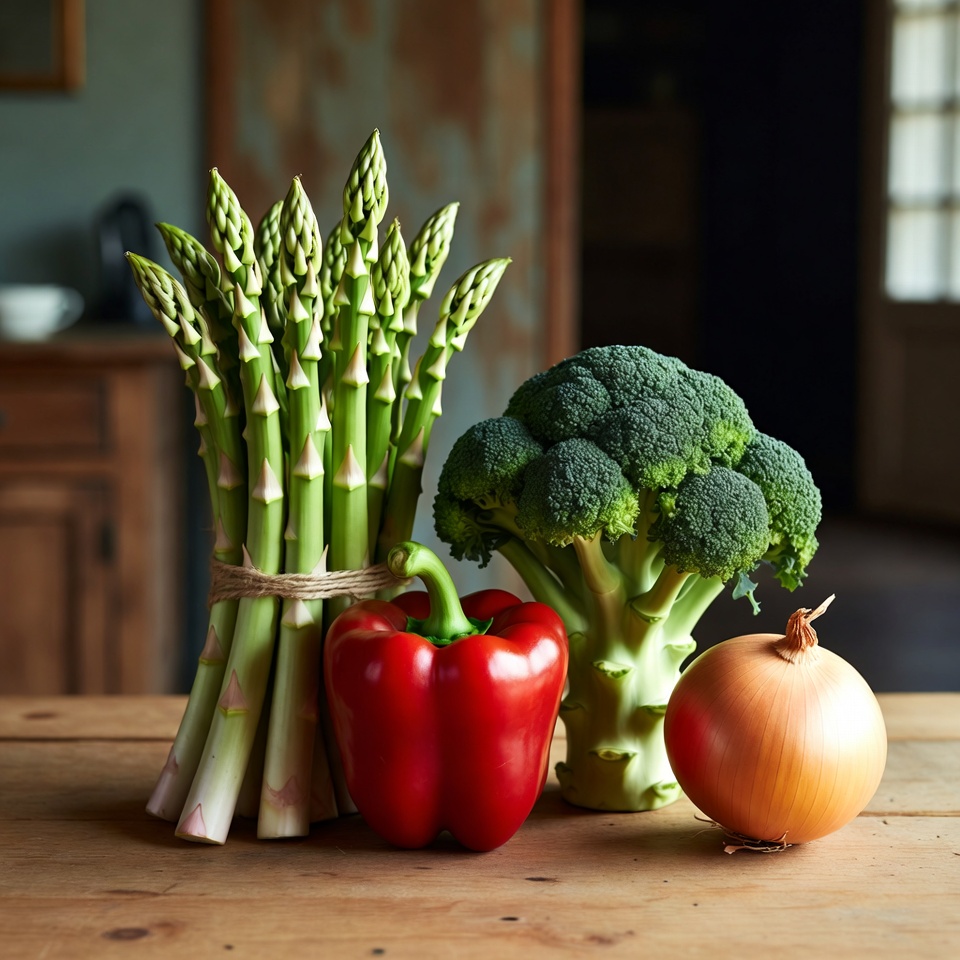
Strategic Nutrition for an Active, Mature Body
The following four vegetables stand out for their impact on key biological processes such as vasodilation, hormonal balance, and the reduction of systemic inflammation.
1. Asparagus: Folate and Zinc for Cellular Health
Asparagus is an outstanding source of folate (vitamin B9), a nutrient required for DNA synthesis and red blood cell formation. After 40, folate plays an important role in managing homocysteine levels—an amino acid that, when elevated, is associated with increased cardiovascular risk.
Asparagus also provides zinc, a mineral that supports:
- Reproductive health in both men and women
- Normal testosterone levels in men
- Energy metabolism and immune function
Including asparagus regularly in your meals can therefore contribute to heart health, reproductive vitality, and sustained energy.
2. Beetroot: Fuel for Nitric Oxide Production
Beetroot (beets) is naturally rich in inorganic nitrates, a compound that has been widely studied in sports physiology. In the body, these nitrates are converted into nitric oxide, a signaling molecule that relaxes blood vessels and improves oxygen delivery to tissues.
After 40, better nitric oxide production can translate into:
- Enhanced physical endurance
- Faster recovery after exercise
- Improved peripheral circulation (hands, feet, and muscles)
Regular consumption of beetroot may support cardiovascular health and make daily physical activities feel easier and less tiring.
3. Broccoli: Supporting Healthy Estrogen Balance
Broccoli contains indole-3-carbinol, a compound that helps the liver process estrogen in a more favorable way. This is relevant for both men and women, as hormone balance is crucial for:
- Reducing the tendency to store fat around the abdomen
- Maintaining stable energy levels and overall vitality
- Supporting breast and prostate health
Broccoli is also high in fiber, which nurtures a healthy gut microbiota. A well-balanced gut environment plays a major role in the production of neurotransmitters, including serotonin—the “feel-good” chemical heavily involved in mood regulation.
4. Spinach: Magnesium for Muscles and Nerves
Spinach is one of the richest dietary sources of magnesium, a mineral involved in more than 300 enzymatic reactions in the body. Adequate magnesium is essential for:
- Muscle relaxation and reduced cramps
- Restorative sleep and better sleep quality
- Stable heart rhythm and cardiovascular function
- A balanced stress response in the nervous system
From your forties onward, maintaining optimal magnesium intake can help fight chronic fatigue, improve resilience to daily stress, and support overall neuromuscular function.
How to Maximize the Benefits of These Vegetables
How you prepare and combine these vegetables can greatly influence how well you absorb and use their nutrients.
-
Light steaming for broccoli and asparagus
Steam for about 3–5 minutes. This gentle cooking method helps preserve heat-sensitive compounds such as vitamin C and glucosinolates, while making the vegetables easier to digest. -
Raw or juiced beetroot for nitrate preservation
Beetroot retains more of its nitrates when eaten raw. Try it grated into salads, blended into smoothies, or as part of a cold-pressed juice to support nitric oxide production. -
Pairing spinach with healthy fats
Spinach contains fat-soluble vitamins like A and K. Eating it with a source of healthy fat—such as extra virgin olive oil, avocado, or nuts—can significantly increase the absorption of these vitamins.
Building meals that respect these principles increases the real, measurable impact these vegetables can have on your energy, cardiovascular health, and long-term well-being.
The Psychology of Well-Being: Vitality and Purpose
From a health psychology perspective, vitality is not just “not feeling tired.” It is the inner sense that you have enough energy to pursue your personal goals and live life with intention.
-
Physical autonomy
A diet rich in these nutrient-dense vegetables can enhance your sense of physical competence. Feeling stronger and more capable often reduces anxiety about aging and supports a more positive body image. -
Mental clarity and stable mood
Lower levels of systemic inflammation, supported by good nutrition, can positively influence brain function. This may contribute to better concentration, sharper thinking, and a more stable mood throughout midlife and beyond.
In other words, what you put on your plate affects not only your body, but also your motivation, confidence, and outlook on the future.
Conclusion: Building a Stronger Biological Future
After 40, every nutritional choice becomes a message to your cells. By prioritizing vegetables that support circulation, hormone balance, and nervous system function—such as asparagus, beetroot, broccoli, and spinach—you are actively shaping a stronger, more resilient version of yourself for the coming decades.
Your daily vitality is, to a large extent, a reflection of how well you nourish your internal “machinery.”
Safety and Responsibility Notice
-
Mandatory medical consultation
This article is for informational purposes only. If you have kidney stones or a history of them (spinach is high in oxalates), or if you take blood-thinning medications (vitamin K can interact with anticoagulants), consult your doctor or a registered dietitian before making significant dietary changes. -
Not a substitute for medical treatment
These vegetables are nutritional allies, not medical treatments. They do not replace professional diagnosis or therapy for hormonal imbalances, cardiovascular disease, chronic fatigue, or any other health condition. Always follow the guidance of your healthcare provider.