How to Clean Wooden Cooking Spoons Without Ruining Them
Wooden cooking spoons are some of the hardest tools to get truly clean, yet they’re a staple in almost every kitchen. There’s a good reason for that: wooden utensils are tough, gentle on cookware, and can serve you for years when cared for properly.
However, their biggest advantage—the porous, natural wood—also makes them tricky to maintain.
Why Wooden Spoons Are Hard to Clean
Over time and with frequent use, wooden spoons tend to:
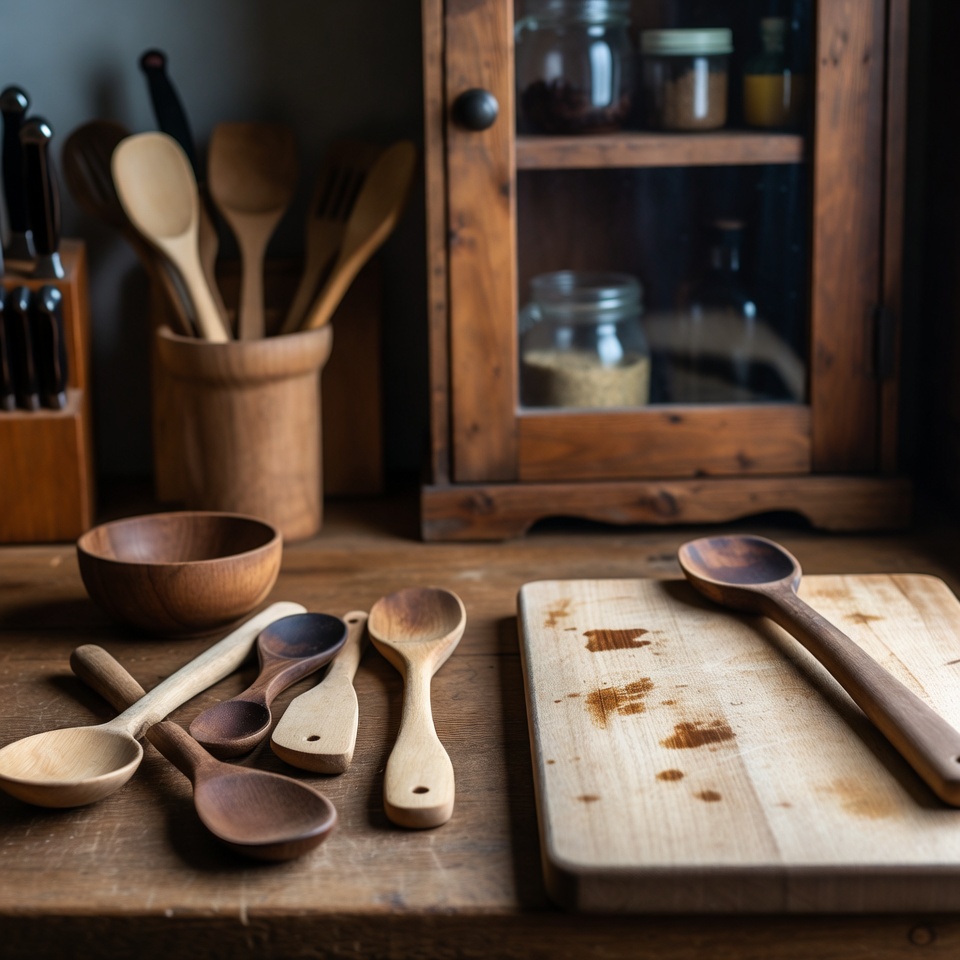
- Absorb cooking odors
- Take on stains from sauces and spices
- Darken or discolor
- Feel slightly greasy or “off” even after washing
Many people also love the rustic, cozy look wooden spoons add to their kitchen, so throwing them out isn’t ideal. The challenge is keeping them clean and fresh without damaging the wood.
The Viral TikTok Hack: Boiling Wooden Spoons
A popular TikTok cleaning hack suggests boiling wooden spoons in water to deep-clean them. The idea is simple: hot water helps release trapped oils, food particles, and odors from inside the wood.
On the surface, it sounds like a smart, easy solution for cleaning wooden cooking spoons. However, experts are not in full agreement about this method.
Potential Risks of Boiling Wooden Spoons
Excessive heat and water exposure can:
- Cause the wood to crack, warp, or split
- Shorten the overall lifespan of the spoon
- Lead to water absorption, especially if the spoon was previously treated with oil or wax
- Make the wood more prone to future damage if done too often
Because of these concerns, the boiling method needs to be used with care, if at all.
How to Safely Use the Boiling Method (If You Choose To)
If you decide to try boiling your wooden spoons, follow these steps to reduce the risk of damage:
-
Use a large pot of water
Choose a pot big enough so the spoon can move freely and isn’t pressed against the sides or bottom. -
Bring the water to a boil first
Once the water is boiling, carefully place the spoon into the pot. -
Limit the time to 5 minutes maximum
Do not leave the spoon in boiling water for longer than about 5 minutes. Prolonged exposure increases the chance of cracking or warping. -
Remove and cool completely
Take the spoon out of the water and let it cool down naturally at room temperature. -
Dry thoroughly with a clean towel
Wipe away any remaining moisture, paying attention to any grooves or engraved areas. Let it air-dry fully before storing.
Used sparingly, this method can help draw out oils and odors, but it should not be your everyday cleaning routine.
Better Everyday Methods to Clean Wooden Spoons
For regular care, gentler cleaning methods are safer and more sustainable.
1. Hand Wash with Warm Water
- Wash wooden spoons by hand only—never in the dishwasher.
- Use warm water and a mild dish soap.
- Scrub with a soft sponge or brush, then rinse well.
- Dry immediately with a clean towel.
2. Disinfect with a Vinegar Solution
To sanitize and reduce odors without harsh chemicals:
- Mix equal parts white vinegar and water.
- Dip a cloth or sponge into the solution and wipe the spoon thoroughly, or briefly soak the spoon if needed.
- Rinse with clean water and dry completely.
Vinegar is naturally antibacterial and helps neutralize lingering smells.
3. Remove Stains with Baking Soda
Stubborn discoloration from tomato sauce, curry, or other strong ingredients can be treated with baking soda:
- Sprinkle baking soda over the stained area.
- Add a few drops of water to form a paste.
- Gently scrub the spoon with a sponge or brush.
- Rinse and dry well.
Baking soda is slightly abrasive, making it effective at lifting stains without scratching the wood.
4. Regularly Oil Your Wooden Spoons
To keep wooden spoons from drying out and to extend their life:
- Use a food-safe oil (such as mineral oil or a dedicated cutting board oil).
- Apply a small amount to a clean, dry spoon.
- Rub the oil into the wood with a soft cloth.
- Let it absorb, then wipe off any excess.
Oiling helps protect the wood, reduces cracking, and keeps the spoon looking rich and polished.
Final Thoughts on Cleaning Wooden Cooking Spoons
Wooden spoons are durable and long-lasting, but they need the right care. While the viral boiling hack can help release trapped grime and odors, it carries some risk if overused. For everyday maintenance, hand washing, vinegar disinfecting, baking soda stain removal, and regular oiling are safer and more reliable ways to keep your wooden cooking spoons clean, fresh, and ready for your next meal.