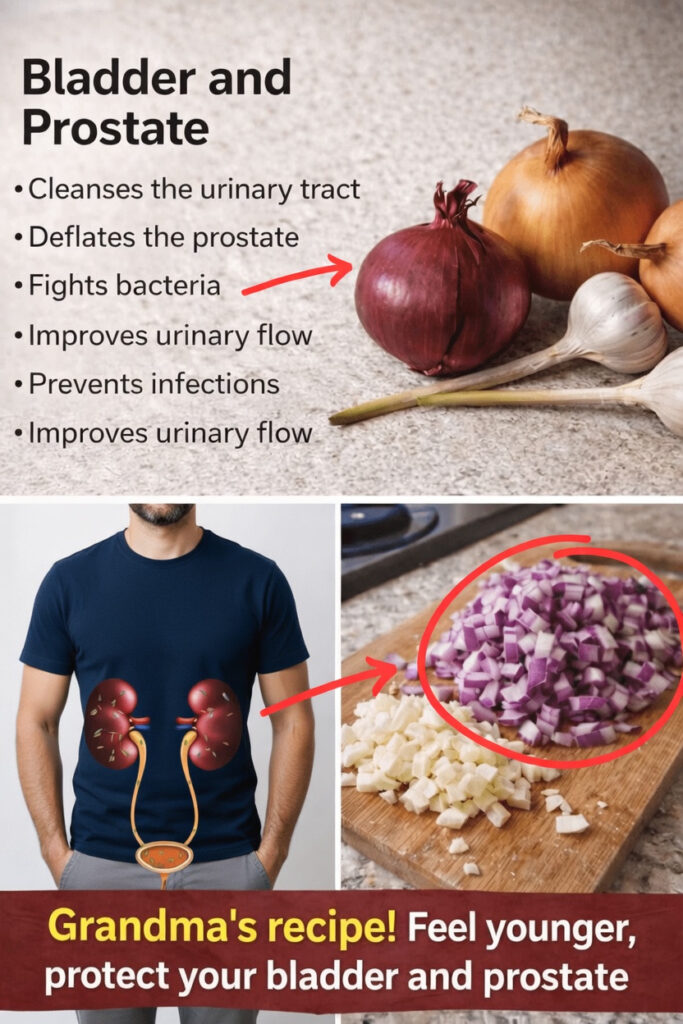
Understanding the Prostate, Bladder, and Urinary Changes With Age
The prostate is a small gland located just beneath the bladder, wrapped around the urethra, which is the channel that carries urine out of the body. As men get older, this gland often becomes larger. This non-cancerous enlargement is called benign prostatic hyperplasia (BPH), and it can contribute to urinary issues that affect daily comfort, sleep, and routine.
Because the bladder and prostate work closely together, changes in one area can influence the other. Smooth urinary flow depends on proper support and balance throughout this part of the body.
Healthy lifestyle choices made early may help reduce how strongly these age-related changes are felt over time. Among those habits, diet is one of the simplest to improve. Research has linked greater intake of certain plant-based foods with more favorable urinary health outcomes.
Why Onions and Garlic Are Often Linked to Urinary Health
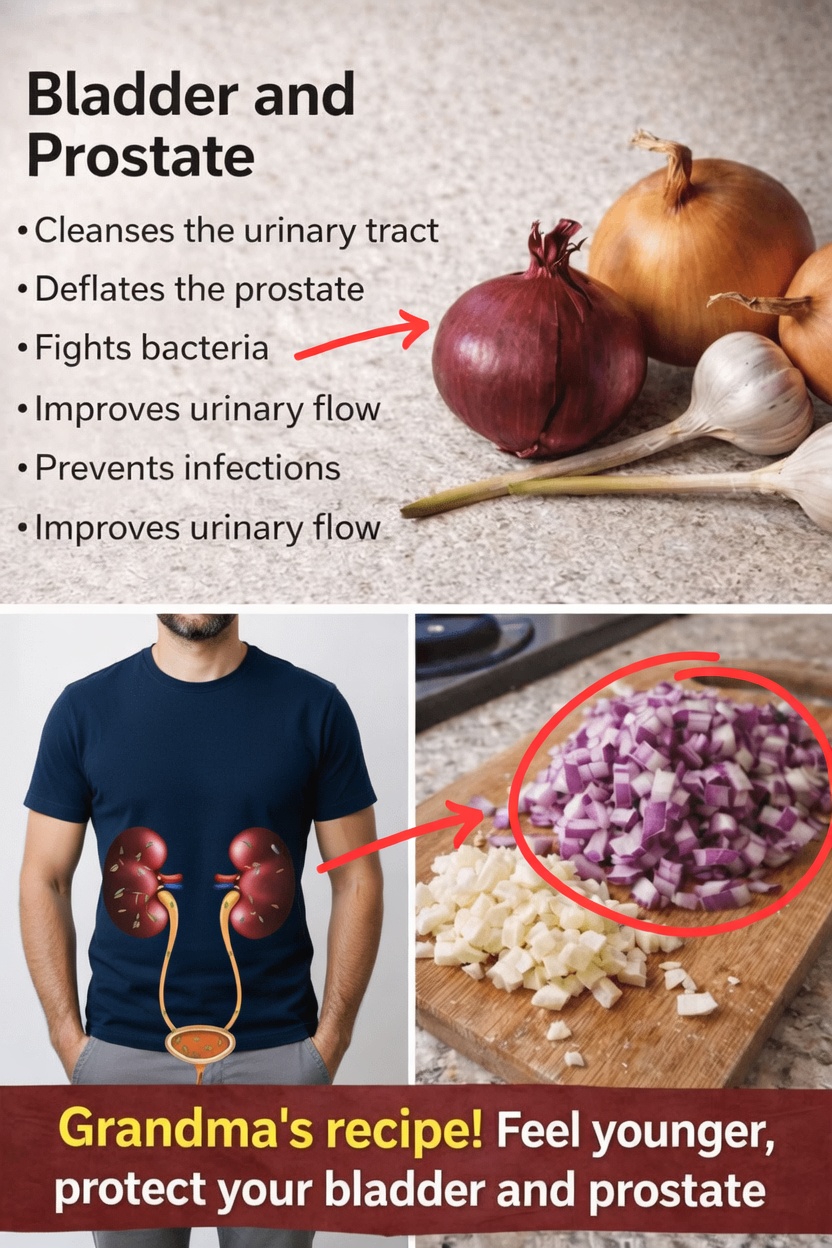
Onions and garlic are members of the Allium family, a group of vegetables valued for their natural sulfur compounds and antioxidant content. Onions are especially rich in quercetin, while garlic contains allicin-related compounds that form when it is cut or crushed. These substances are widely studied for their antioxidant and anti-inflammatory properties.
Several observational studies, including large case-control research in European populations, have found that men who regularly consumed onions and garlic were less likely to report symptoms associated with benign prostatic hyperplasia compared with those who rarely ate them. Other population studies, including research from China, have also suggested that regular Allium vegetable intake may be associated with lower prostate cancer risk markers, although the exact biological pathways still need further investigation.
Quercetin, a flavonoid concentrated in onion layers—particularly in red onions and even in the peel—has shown antioxidant effects in laboratory studies and some human research. These effects may help reduce oxidative stress, which is often discussed in relation to prostate and bladder health. Garlic’s active compounds appear to offer similar support by helping regulate inflammatory responses.
It is important to note that most of this evidence comes from observational studies and laboratory findings, not direct proof that onions and garlic prevent disease. Even so, the research helps explain why these foods are commonly included in natural approaches to supporting men’s urinary wellness.
Key Compounds Behind the Benefits
Here are some of the most important compounds found in onions and garlic and why they attract scientific attention:
-
Quercetin in onions
- A strong antioxidant
- May help regulate inflammation
- Supports cellular protection, including in prostate tissue
-
Organosulfur compounds in garlic
- Develop when garlic is chopped, crushed, or minced
- Associated with antimicrobial activity
- May support urinary comfort and flow in early research
-
Combined anti-inflammatory effects
- Eating onions and garlic together may provide broader support
- Some studies have observed more favorable urinary associations in people who consume both regularly
Still, nutrients alone are only part of the story. Traditional preparation methods can make these foods easier to enjoy consistently.
A Simple Traditional Onion and Garlic Drink for Daily Support
In many parts of the world, onions and garlic have long been used in home remedies intended to support general wellness. One easy method is to prepare a light infusion or broth-like drink that avoids intense cooking while still helping release beneficial compounds.
Ingredients for One Week
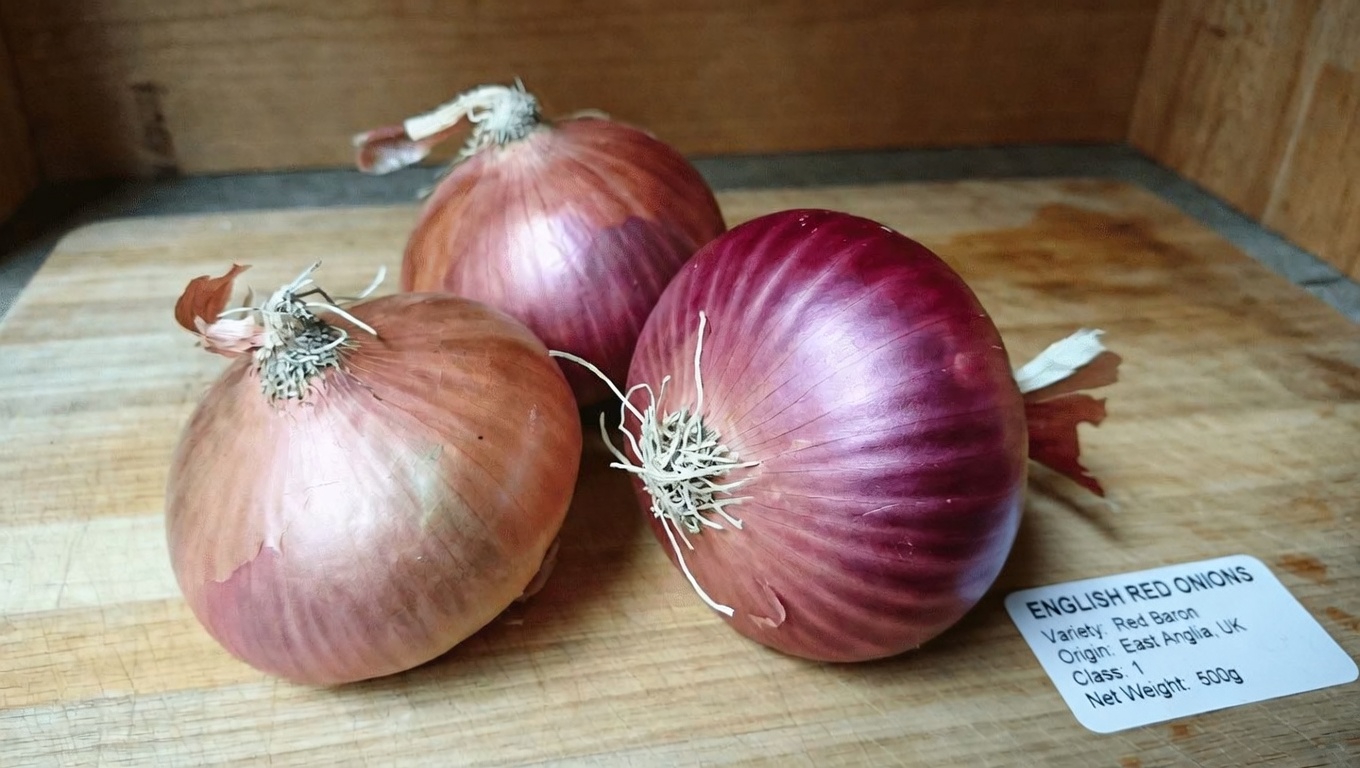
- 2 to 3 medium red onions
- 4 to 5 fresh garlic cloves
- 1 liter of clean water
- Optional: a small piece of fresh ginger for flavor and added warmth
If possible, choose organic onions, especially if you plan to use the peel.
How to Prepare It
- Wash the onions thoroughly.
- Remove the dry outer layers carefully and keep them aside, since they contain valuable quercetin.
- Chop the onions into small pieces.
- Peel the garlic and lightly crush each clove.
- Let the garlic rest for about 10 minutes so its active compounds can develop.
- Add the onion pieces, onion peels, and garlic to a pot with the water.
- Bring the mixture to a gentle boil.
- Lower the heat and let it simmer for 15 to 20 minutes.
- Strain the liquid into a clean glass jar or bottle.
- Allow it to cool before storing it in the refrigerator.
This preparation can usually be kept in the fridge for up to 7 days.
How to Use It
- Drink 1 small cup per day, around 150 to 200 ml
- You can take it warm or at room temperature
- Morning or evening are both suitable times
- If you are trying it for the first time, begin with half a cup to see how your body reacts
Many people find the flavor mild and savory, and easier to appreciate with regular use. This gentle cooking method reflects traditional practice while also supporting the release of key compounds from both onion and garlic.
Other Habits That May Help Support Prostate and Bladder Health
Adding this simple drink can be useful, but better results usually come from a broader lifestyle approach. Consider these supportive habits:
-
Eat more Allium vegetables overall
- Add raw onion to salads
- Use lightly cooked onion in soups and stir-fries
- Include garlic in sauces, dressings, and roasted meals
-
Hydrate smartly
- Drink enough water during the day
- Reduce fluid intake later in the evening if nighttime urgency is a problem
-
Stay physically active
- Try to get at least 30 minutes of moderate movement on most days
- Walking is especially helpful for circulation and overall comfort
-
Focus on anti-inflammatory foods
- Pair onions and garlic with foods like tomatoes, broccoli, cabbage, cauliflower, and berries
-
Be consistent rather than excessive
- Regular moderate intake is usually more beneficial than consuming large amounts at once
What Current Research Actually Tells Us
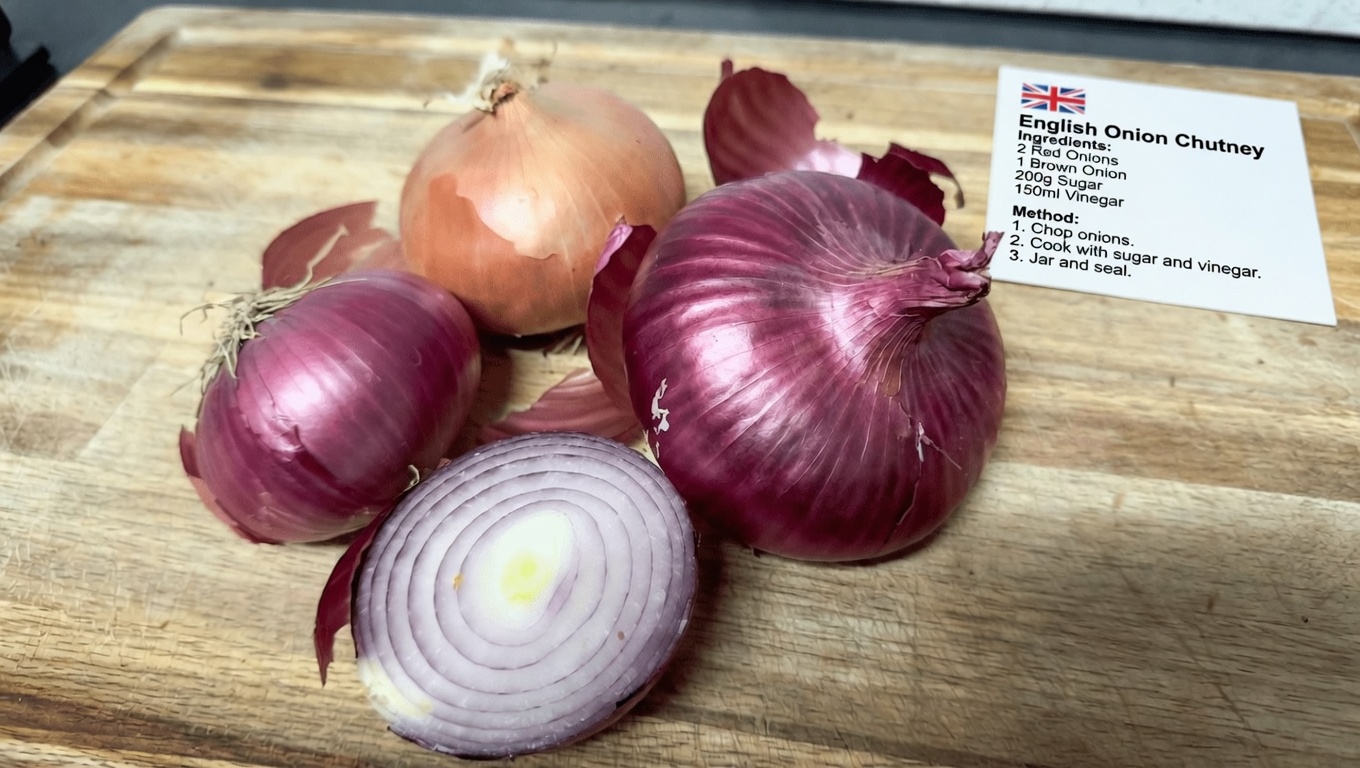
The science around onions, garlic, prostate health, and urinary function is promising, but it is not definitive. Many of the positive findings come from studies that show an association, not a direct cause-and-effect relationship.
That means men who eat more onions and garlic may also have other healthy habits that contribute to better outcomes. Genetics, age, weight, physical activity, medical history, and overall diet can all influence results.
For that reason, onions and garlic should be viewed as part of a well-rounded health strategy, not as a stand-alone cure or guaranteed treatment.
Conclusion
Regularly eating onions and garlic is a simple, affordable, and evidence-informed way to support prostate health, bladder wellness, and overall urinary comfort. The traditional onion and garlic infusion shared above offers an easy daily option for including these foods in your routine.
Small dietary changes may seem minor at first, but over time they can make a meaningful difference. A consistent habit built around natural, nutrient-rich foods is often one of the easiest places to begin.
FAQ
How much onion and garlic should I consume for possible benefits?
Research generally points to moderate intake rather than very large amounts. A practical starting point is around 1 to 2 cloves of garlic and half an onion several times per week. Increase gradually if needed, especially if you have a sensitive stomach.
Can I try this if I am taking medication?
Possibly, but caution is important. Garlic may interact with blood thinners and some other medications. If you are on prescription drugs or have an ongoing medical condition, speak with your healthcare provider before making it a daily habit.
Are there side effects from eating more onions and garlic?
Most people tolerate them well, but some may experience:
- Heartburn
- Gas or bloating
- Stomach irritation
- Strong breath odor
Cooking onions and garlic more gently can often reduce these effects.