
The Best Vegetable for Kidney Health: Why Red Bell Peppers Stand Out
Kidney health becomes a bigger concern for many people with age, especially when modern habits include processed foods, stress, and an increased risk of high blood pressure. Symptoms such as lower back discomfort, persistent fatigue, or swelling in the legs can make daily life harder and raise questions about whether you are doing enough to support your body.
The encouraging news is that small dietary improvements can go a long way. One vegetable in particular is often recognized for being especially kidney-friendly. In this guide, you’ll learn why it deserves that reputation, how it may help support kidney function, and several simple ways to add it to your meals. You’ll also discover a few other vegetables that are worth including in a kidney-conscious eating plan.
Why Kidney-Friendly Vegetables Are Important
Your kidneys work continuously to remove waste from the blood while also helping control fluid balance and blood pressure. As the years go by, factors like aging, diet quality, and daily stress may place extra demand on these vital organs.
Choosing the right foods can help provide nourishment without creating unnecessary strain. Vegetables are especially valuable because they naturally supply:
- Vitamins
- Antioxidants
- Fiber
- Protective plant compounds
Many are also relatively low in minerals that may need closer attention in certain kidney-friendly diets.
Still, some vegetables are more supportive than others.

Red Bell Peppers: The Top Vegetable for Kidney Support
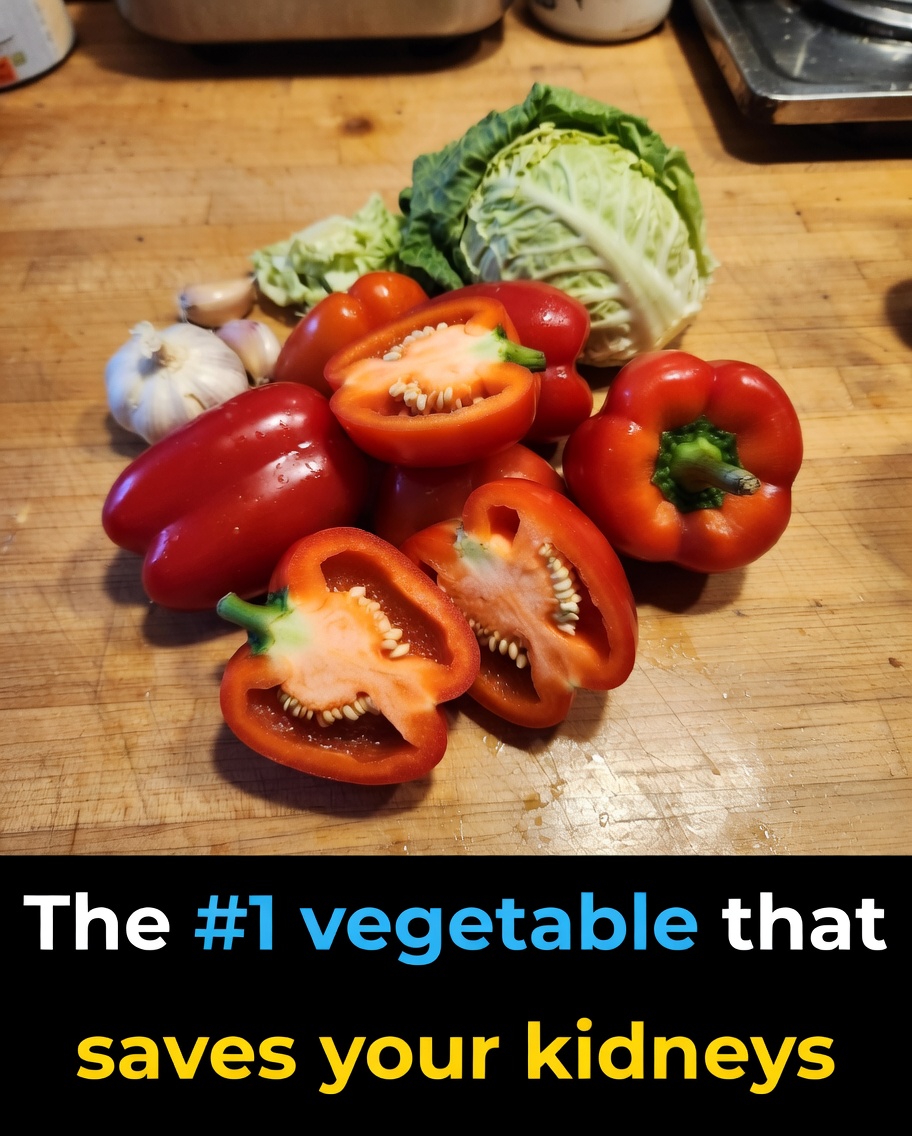
Among vegetables commonly recommended in kidney-conscious meal plans, red bell peppers are frequently placed at the top. Kidney health experts often highlight them because they offer an excellent nutritional profile while remaining easy to include in everyday meals.
A half-cup serving contains approximately:
- 1 mg sodium
- 88 mg potassium
- 10 mg phosphorus
Because these numbers are relatively low, red bell peppers can be a practical choice for people who need to be mindful of mineral intake.
What makes them especially impressive is their concentration of beneficial nutrients. Red bell peppers are rich in:
- Vitamin C
- Vitamin A
- Vitamin B6
- Folic acid
These nutrients help support energy production, cellular function, and overall wellness.
They also contain lycopene, a natural antioxidant pigment that gives red bell peppers their vibrant color. Research suggests lycopene may help lower inflammation-related markers, which may offer added support for the body’s filtration systems.
Another advantage is their fiber content. Healthy digestion supports the body’s natural waste elimination process, which may indirectly help reduce the burden on the kidneys.
This balance of low-impact minerals and high-value nutrients is a major reason why nutrition professionals consistently rate red bell peppers as one of the best vegetables for kidney support.
How Red Bell Peppers May Help Kidney Function
The real strength of red bell peppers lies in their combination of gentle mineral content and protective compounds.
Antioxidants such as vitamin C and lycopene help fight free radicals, which can build up over time and contribute to oxidative stress. Studies suggest these compounds may help support healthy blood vessels and promote proper circulation, including blood flow to the kidneys.
Fiber adds another layer of support by helping digestion stay regular. When the digestive system works efficiently, the body can eliminate waste more effectively rather than placing all the burden on the kidneys alone.
There is also a practical reason red bell peppers are so easy to recommend: they taste naturally sweet, fresh, and mild. That makes them simple to enjoy often, without feeling restricted or stuck on a bland eating plan.

Easy Ways to Eat More Red Bell Peppers
You do not need elaborate recipes to benefit from red bell peppers. A few simple habits can make them part of your daily routine.
1. Eat Them Raw for a Quick Snack
Slice red bell peppers into strips and enjoy them with a healthy dip, or add them to salads for extra crunch and color.
2. Roast Them for Deeper Flavor
Toss chopped peppers with a little olive oil and herbs, then roast at 400°F for 15–20 minutes. Roasting brings out their natural sweetness.
3. Add Them to Stir-Fries
Dice them and add them to chicken, tofu, or vegetable stir-fries during the final few minutes of cooking.
4. Make Stuffed Peppers
Fill halved peppers with lean protein, rice, and herbs, then bake them for a satisfying all-in-one meal.
5. Blend Them into Soups and Sauces
Pureed red bell peppers can be mixed into soups or sauces for an easy nutrition boost without dramatically changing the flavor.
A Simple Daily Habit
Try washing and slicing a few red bell peppers in advance, then storing them in the refrigerator. Having them ready to grab makes it much easier to use them as a snack, topping, or side dish throughout the week.
Other Vegetables That Support Kidney Health
Although red bell peppers are a standout choice, they are not the only vegetables that can fit well into a kidney-supportive diet. These options also deserve attention:
- Cabbage: Naturally lower in potassium and rich in phytochemicals that may help reduce oxidative stress. It works well raw in slaws or lightly steamed.
- Cauliflower: A versatile vegetable that provides vitamin C and fiber. It can be roasted, steamed, or mashed as an alternative to potatoes.
- Garlic: Known for natural anti-inflammatory compounds. Fresh garlic adds flavor to many savory dishes without relying on excess salt.
- Onions: A good source of flavonoids that contribute to cellular protection. They make an excellent base for soups, stews, and sautéed dishes.
Using a variety of these vegetables can keep meals interesting while giving your body steady nutritional support.
Practical Tips to Start Today
Improving your diet does not have to feel difficult. These small steps can help you build better habits consistently:
- Buy fresh red bell peppers once a week along with one or two additional kidney-friendly vegetables.
- Wash, cut, and store them in airtight containers ahead of time.
- Try to include at least one serving of a supportive vegetable with each main meal.
- Notice how you feel after two weeks of consistency. Many people report improved energy and less daily discomfort when healthier meals become routine.
- Pair vegetables with lean proteins and whole grains to create balanced, filling plates.
Small actions repeated regularly often lead to meaningful change.
Building Better Long-Term Habits
Red bell peppers earn their place as the number one vegetable for kidney support because they offer high nutritional value while placing minimal stress on the kidneys. When combined with other supportive vegetables and easy meal-prep habits, they can become part of a sustainable and enjoyable way of eating.
Even better, these foods are flavorful, versatile, and easy to include in family meals.
Frequently Asked Questions
Can I eat red bell peppers every day if I have kidney concerns?
In moderate portions, most people can eat red bell peppers daily because they are naturally low in sodium, potassium, and phosphorus. However, it is always best to ask your doctor or registered dietitian for advice tailored to your specific health needs.
Are green or yellow bell peppers just as beneficial?
They also provide important vitamins, but red bell peppers typically contain more lycopene than the green or yellow varieties. That stronger antioxidant content is one reason red bell peppers are often preferred.
What if I do not enjoy the taste of peppers?
No problem. Vegetables such as cabbage and cauliflower are excellent alternatives and can still offer supportive nutritional benefits. The key is to choose options you genuinely like so that healthy eating feels realistic and sustainable.
Final Thoughts
Supporting your kidneys does not require extreme dieting or major lifestyle changes. It often starts with simple, smart decisions made every day, such as choosing nutrient-rich vegetables that work with your body instead of against it.
Important Note
This article is for educational purposes only and should not be considered medical advice. Speak with your doctor or a registered dietitian before making significant dietary changes, especially if you have kidney disease, other medical conditions, or take prescription medications.