What Is the Drawer Under Your Stove Really For?
Many home kitchens have a stove with a shallow drawer underneath, yet most people never question what it’s actually meant to do. It’s often treated as a handy spot to shove extra pans and baking trays—but that’s not its real purpose.
This guide explains the true function of that mysterious oven drawer, why common habits can be unsafe, and how using it correctly can genuinely improve your cooking routine.
The Most Common Myth About the Stove Drawer
For decades, the drawer under the oven has been treated as bonus storage space. People routinely stack:
- Baking sheets
- Muffin tins
- Frying pans
- Roasting trays
Because this is so widespread, many assume the drawer was designed for storage. In reality, that assumption is wrong and can:
- Reduce the efficiency of your kitchen
- Create unnecessary clutter
- Introduce potential safety risks
To really get the most from your stove, it’s worth understanding what this drawer is supposed to do.
The Real Purpose: It’s a Warming Drawer
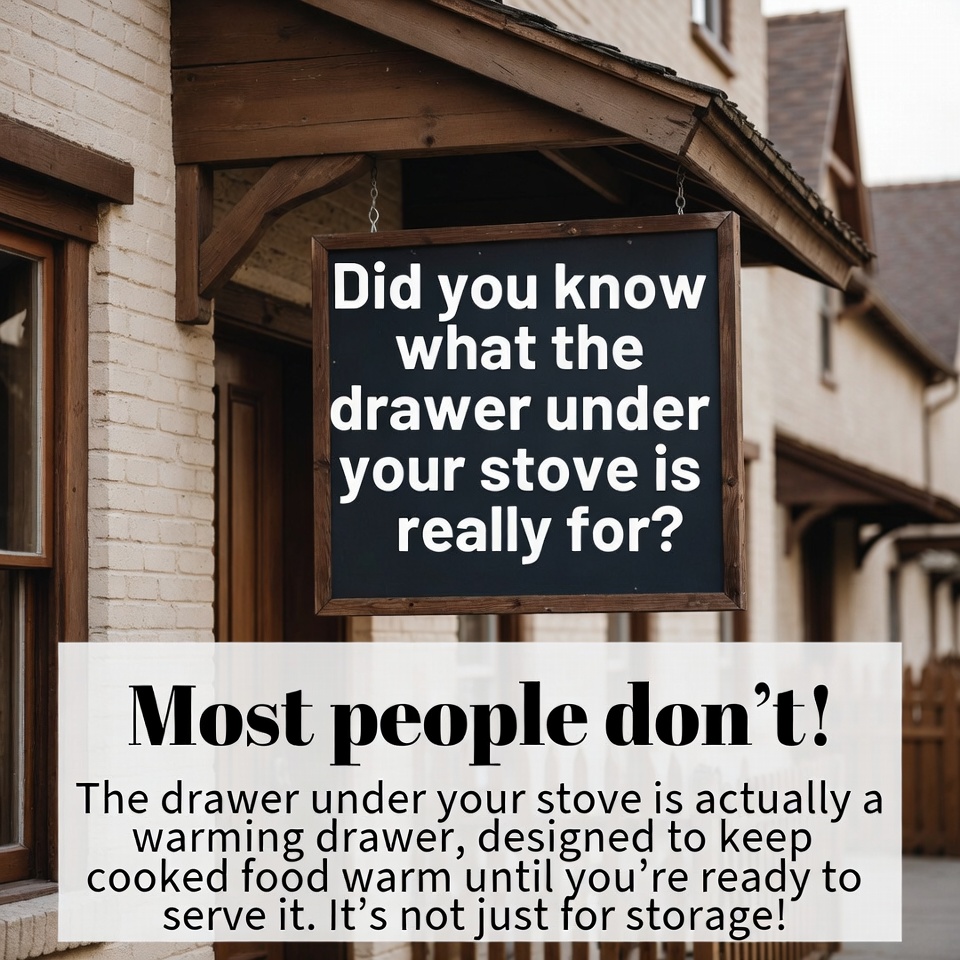
On many stoves, the “storage” area you see below the oven is actually a warming drawer. Its intended role is to keep cooked food warm until you’re ready to serve it.
This feature can be especially useful when:
- You’re preparing several dishes that finish at different times
- You want to keep food hot while waiting for guests
- Family members eat on different schedules
By maintaining a gentle, steady heat, a warming drawer holds food at an ideal serving temperature—hot enough to be enjoyable, but not so hot that it continues cooking.
Why Using the Drawer for Storage Can Be Risky
Treating a warming drawer like a storage compartment isn’t just inefficient; it can also be dangerous.
Potential hazards include:
-
Burns:
Items left in the drawer can become extremely hot if the warming function or oven is in use. Grabbing a pan handle or tray without realizing it’s heated can result in serious burns. -
Fire Risk:
Storing flammable items such as plastic containers, paper packaging, or wooden utensils is especially dangerous. If the drawer is accidentally turned on—or heated by the oven above—these materials can melt or even catch fire. -
Damaged Cookware:
Some non-stick pans or plastic accessories can warp or release fumes when exposed to unintended heat.
Understanding that this is a heat source, not a cabinet, is essential for both safety and performance.
Primary Role: Keeping Food Warm, Not Cooking It Further
The main job of a warming drawer is to hold food at a stable, warm temperature without:
- Overcooking
- Drying out
- Changing the texture dramatically
Unlike reheating in a microwave or leaving food in a hot oven, a properly used warming drawer:
- Uses low, controlled heat
- Keeps foods like casseroles, vegetables, and meats pleasantly warm
- Helps you coordinate timing when cooking multiple dishes
This makes it ideal for:
- Keeping side dishes warm while you finish the main course
- Holding plates of food for late-arriving family members
- Serving buffet-style meals where food needs to stay hot over time
Extra Benefits: Proofing Dough and Drying Herbs
Beyond keeping meals warm, a warming drawer can double as a small, controlled environment for other kitchen tasks.
1. Proofing Bread Dough
Yeast dough rises best in a slightly warm, draft-free space. The warming drawer provides just that, helping:
- Bread loaves rise more evenly
- Pizza dough develop better texture
- Homemade rolls proof to the perfect volume
Just be sure to use the lowest setting recommended by your stove’s manufacturer.
2. Gently Drying Herbs
The consistent low heat of a warming drawer is also useful for:
- Slowly drying fresh herbs
- Preserving more flavor and aroma than faster, hotter methods
- Creating homemade dried herbs for long-term storage
These extra uses turn the drawer into a versatile tool rather than a forgotten compartment.
How to Use a Warming Drawer Safely
To get the most from your stove’s warming drawer while staying safe, follow a few basic guidelines:
-
Read the Manual
Check your stove’s user guide for specific information on temperature settings, recommended uses, and safety notes. Not every oven drawer is a warming drawer, so verify your model. -
Avoid Flammable Materials
Never place plastic, paper, cardboard, or cloth inside the drawer when it’s in use—or if there’s any chance it could be turned on. -
Use Proper Cookware
Stick to oven-safe dishes, pans, and trays designed to withstand heat. -
Handle with Care
Always use oven mitts when removing items, as the drawer and its contents can be very hot. -
Keep It Clean
Wipe out spills and crumbs regularly. Built-up food residue can smoke or become a fire hazard over time.
By following these tips, you can safely take advantage of everything your warming drawer offers.
How a Warming Drawer Compares to Other Ways of Keeping Food Warm
You might wonder why not just use the oven or microwave instead. A warming drawer often has distinct advantages:
-
Versus the Full Oven:
- Uses less energy
- Provides gentler, more consistent heat
- Reduces the risk of food continuing to cook or drying out
-
Versus the Microwave:
- Doesn’t change the texture of food
- Avoids issues like soggy crusts, rubbery meats, or uneven heating
- Keeps food warm rather than repeatedly reheating it
In short, a warming drawer is designed specifically for holding food at serving temperature, which makes it more effective and efficient than improvising with other appliances.
Final Thoughts: Start Using Your Stove Drawer the Right Way
Now that you know the drawer under your stove is often intended as a warming drawer, you can transform how you use this space.
Instead of cramming it full of pans, you can:
- Keep meals warm until everyone is ready to eat
- Proof bread dough in a stable, warm environment
- Gently dry herbs and other ingredients
By treating this feature as part of your cooking toolkit—rather than just another storage nook—you’ll boost your kitchen’s efficiency and get more value out of your stove.