
Sida acuta (Wireweed): Benefits, Uses, and Safety
Sida acuta, commonly known as wireweed or common sida, is a small but potent medicinal plant long valued in traditional healing systems. Widely distributed across tropical regions, it has played an important role in herbal medicine in Africa, South America, and Asia.
Thanks to its rich mix of natural compounds, people have traditionally used Sida acuta to help manage conditions ranging from infections and inflammation to respiratory issues and pain.
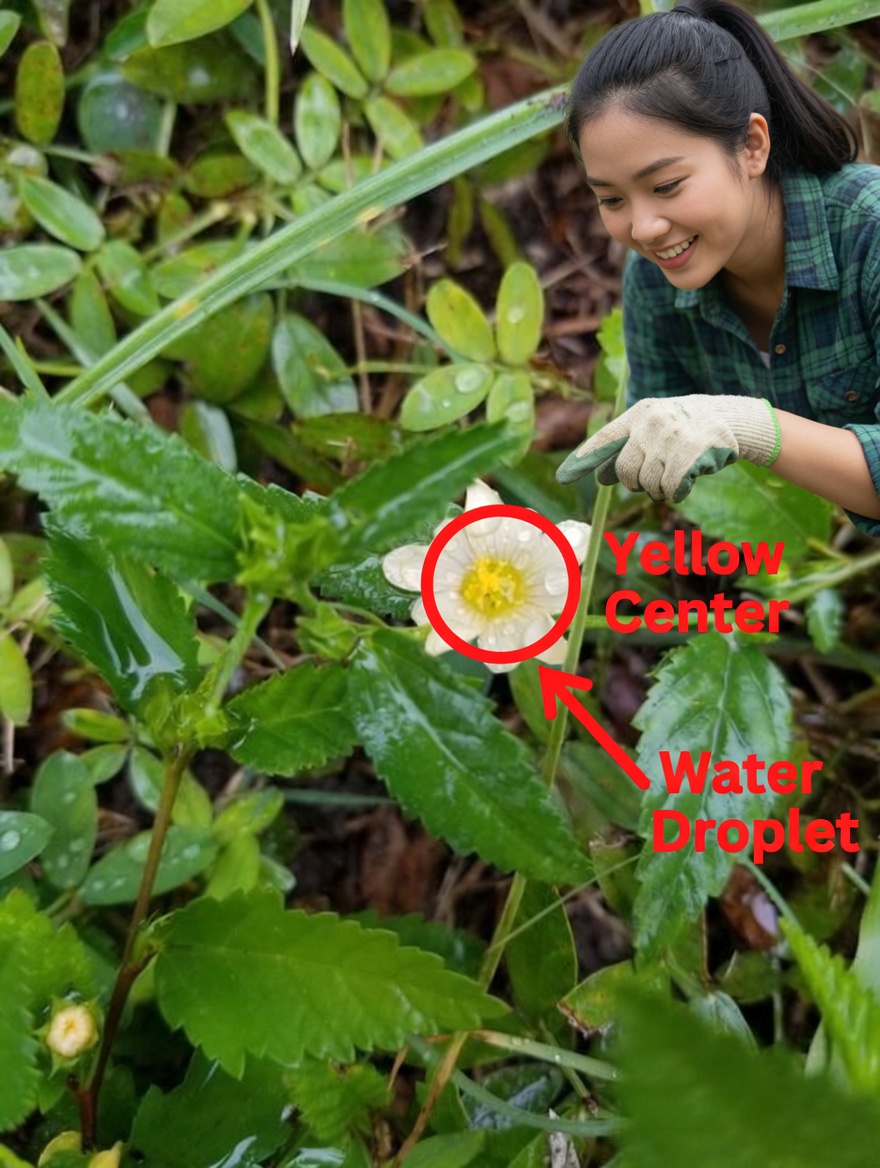
Below, you’ll find an overview of the main health benefits of Sida acuta, how it is commonly used, and important safety considerations.
1. Antimicrobial Properties
Sida acuta contains biologically active alkaloids and flavonoids that show notable antibacterial and antifungal activity. This is why it has long been used in folk medicine for wounds, cuts, and skin infections.
Research indicates that extracts of Sida acuta can inhibit the growth of bacteria such as Escherichia coli (E. coli) and Staphylococcus aureus, suggesting that the plant may offer a natural option for supporting infection control, especially in topical applications.

2. Anti-Inflammatory Effects
The plant is rich in compounds with anti-inflammatory properties, which may help ease issues related to swelling and irritation.
Traditional healers have used Sida acuta to:
- Reduce swelling in joints
- Soothe inflamed skin
- Support conditions like arthritis and localized inflammation
Modern studies support these uses, showing that Sida acuta can modulate inflammatory pathways in the body. This suggests that the plant may help decrease pain, redness, and discomfort in affected areas.
3. Antioxidant Activity
Antioxidants are crucial for defending cells against damage from free radicals, which contribute to aging and chronic disease.
Sida acuta contains significant levels of:
- Flavonoids
- Phenolic acids
These compounds work together to neutralize free radicals, potentially:
- Lowering the risk of certain chronic conditions
- Supporting the body’s natural defense systems
- Promoting overall immune health
4. Benefits for Respiratory Health
Coughs, asthma, and bronchitis can be both persistent and uncomfortable. In various traditional systems, Sida acuta has been used as a remedy for respiratory complaints.
Common traditional uses include:
- Preparing the leaves as a herbal tea to ease cough and throat irritation
- Using infusions or tinctures to help soothe the airways
- Supporting the body in clearing mucus and congestion
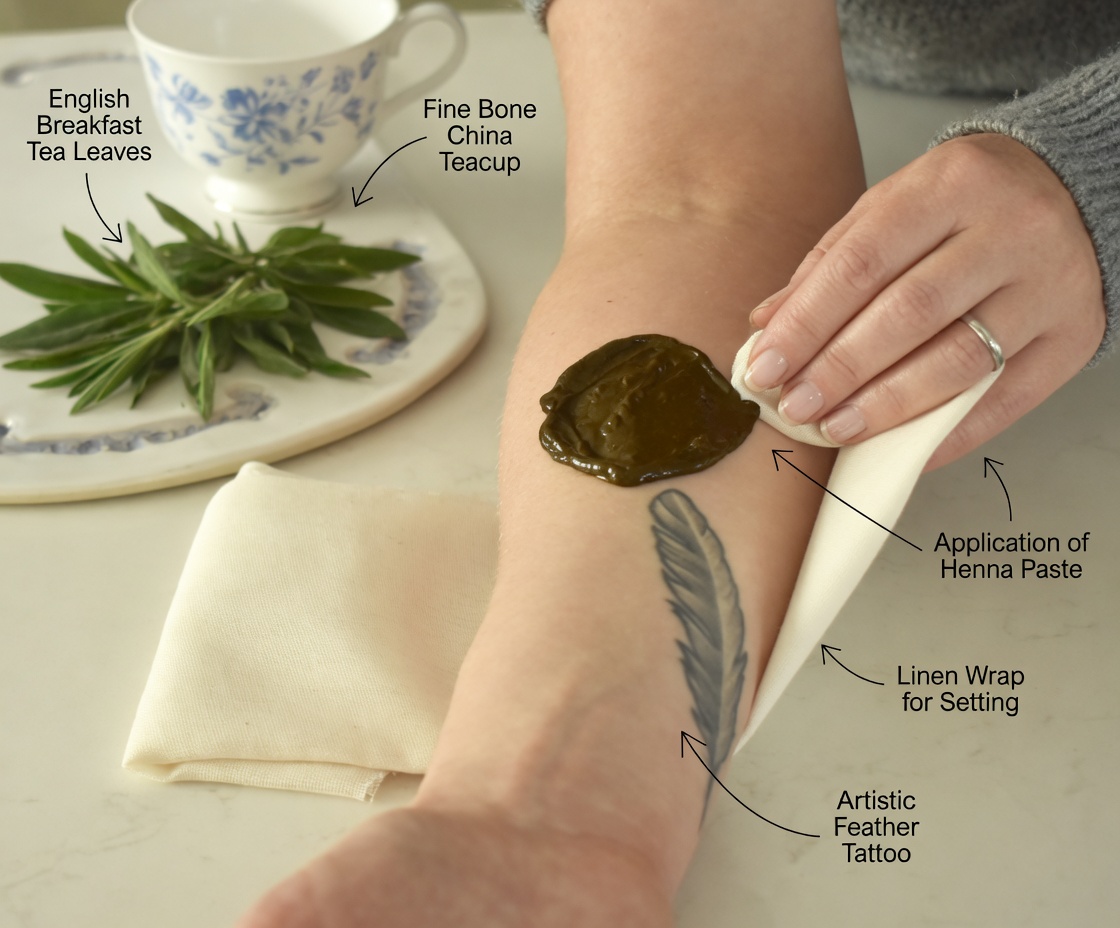
While more clinical research is needed, historical use suggests that Sida acuta may offer gentle support for respiratory comfort.
5. Pain Relief and Analgesic Properties
Another notable traditional benefit of Sida acuta is its analgesic (pain-relieving) potential.
Folk medicine has used the plant for:
- Headaches
- Toothaches
- Menstrual cramps
- Local muscle or joint pain
Leaves are often:
- Applied directly to the skin
- Crushed into a poultice and placed over the painful area
Preliminary studies indicate that compounds in Sida acuta may act on the body’s pain pathways, helping reduce the perception of pain.
6. Other Potential Benefits
Beyond its primary uses, Sida acuta is also employed in some traditional practices for:
- Digestive support – to calm mild stomach discomfort and assist digestion
- Fever reduction – as a gentle antipyretic to help bring down mild fevers
These uses are largely based on traditional knowledge and should be approached as complementary, not as a replacement for medical care.
How to Use Sida acuta
Sida acuta can be prepared in several ways, depending on the desired effect and traditional practice.

Common methods include:
-
Tea (Infusion)
- Steep a small amount of dried Sida acuta leaves in hot water for about 10–15 minutes.
- Often used for respiratory support or as a mild digestive aid.
-
Tincture
- Alcohol-based tinctures are more concentrated.
- Typically taken in very small doses, such as 5–10 drops, diluted in water.
- Should be used cautiously and preferably under professional guidance.
-
Poultice (Topical Use)
- Crush fresh leaves into a paste.
- Apply directly to skin, wounds, or painful areas.
- Traditionally used for localized pain relief and to support skin healing.
Safety, Side Effects, and Precautions
While Sida acuta shows promising benefits, it should be used with care.
Possible side effects may include:
- Mild digestive upset
- Allergic reactions in sensitive individuals (e.g., skin irritation, rash)
Important precautions:
- Pregnancy and breastfeeding: Avoid using Sida acuta during pregnancy or while breastfeeding, as safety has not been established.
- Medication interactions: Some compounds in Sida acuta may interact with prescription drugs.
- If you take regular medications or have underlying health conditions, consult a qualified healthcare provider before using Sida acuta in any form.
Sida acuta can be a valuable traditional medicinal plant when used responsibly, but it should always complement—not replace—professional medical care.