Prickly Lettuce (Lactuca serriola): Benefits, Uses, and Preparation
Prickly lettuce (Lactuca serriola) is often overlooked as just another roadside weed, yet this wild leafy green has been valued for both nutrition and medicine for centuries. Used by ancient cultures and still appreciated in herbalism today, prickly lettuce offers a range of potential benefits—from supporting kidney function to acting as a mild, natural sedative. Below, you’ll find its key advantages, how to recognize and harvest it, and practical ways to use it safely.
1. What Is Prickly Lettuce?
Origins and Identification
Prickly lettuce, also known as wild lettuce, is native to Europe and Asia but now grows across much of the world. It thrives in disturbed soils and is commonly found:
- Along roadsides and pathways
- In fields and agricultural margins
- In vacant lots and waste ground
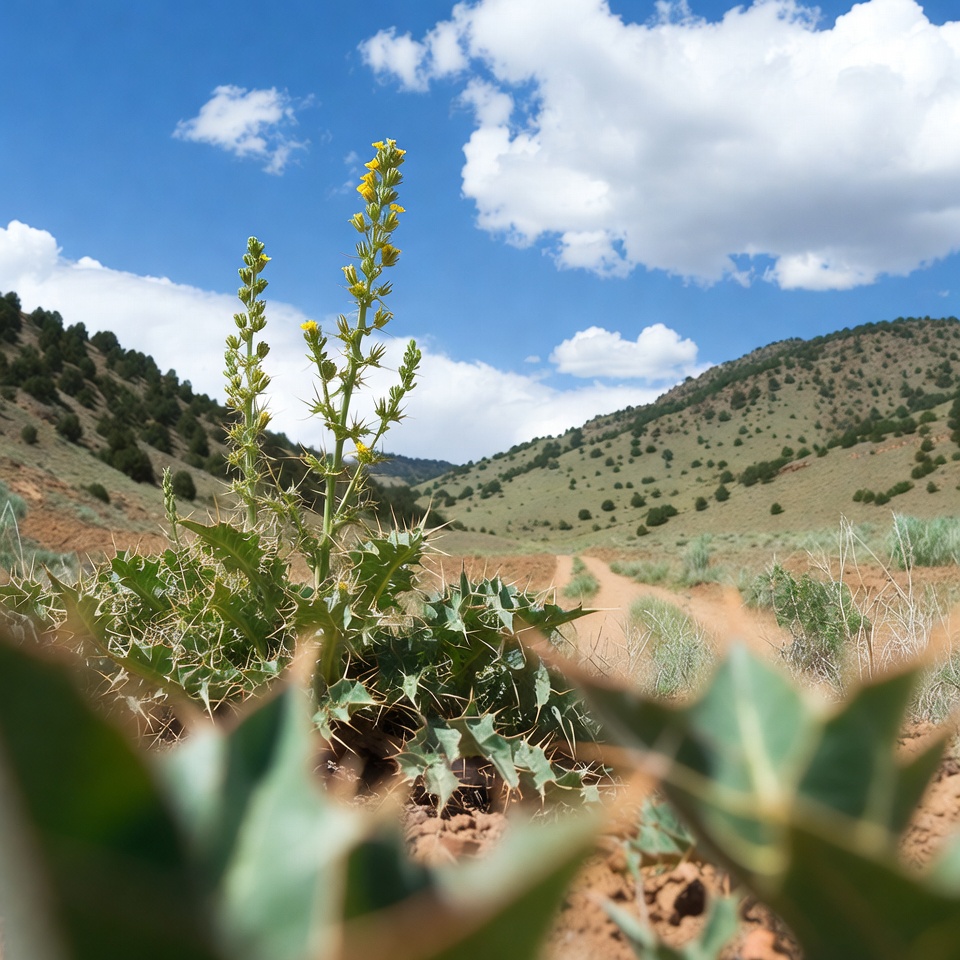
You can identify prickly lettuce by:
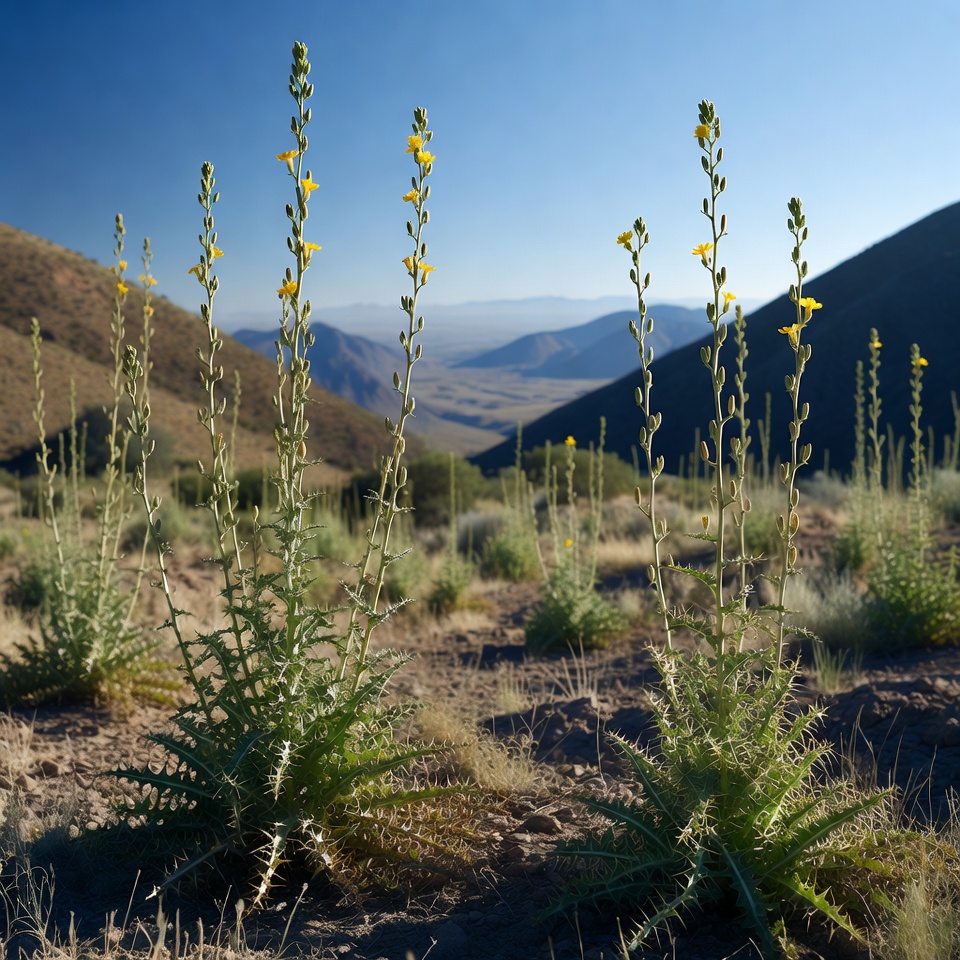
- Its tall, upright, sometimes branching stem
- Spiny ridges along the underside of the leaves and on the stem
- Bluish-green leaves with jagged or toothed edges
- Clusters of small, dandelion-like yellow flowers
Correct identification is essential, especially if you plan to use the plant medicinally.
Historical Use
Prickly lettuce has a long record of use in traditional herbal medicine. In ancient Egypt and Greece, it was prized mainly for its sedative and calming properties. Healers collected the plant’s milky latex—called lactucarium—and used it:
- To ease restlessness and support sleep
- As a gentle pain reliever
- To reduce anxiety and nervous tension
Because of these soothing effects, prickly lettuce earned the nickname “lettuce opium”—not because it is related to the opium poppy, but because of its similar reputation as a mild, non-addictive sedative.
2. Lactucarium: The Plant’s Natural Sedative
One of the most distinctive features of prickly lettuce is its ability to exude a white, milky sap when cut. This substance, known as lactucarium, contains active compounds such as:
- Lactucin
- Lactucopicrin
These bitter constituents are believed to have:
- Relaxing and calming effects on the nervous system
- Mild pain-relieving properties
- Gentle sedative actions that can support sleep and reduce stress
Lactucarium is often used by herbalists as a natural alternative for those who want to promote relaxation or improve sleep quality without relying on stronger pharmaceutical sedatives.
3. Nutritional and Antioxidant Benefits
Nutrient Content
Beyond its calming properties, prickly lettuce is a wild green that also provides useful nutrients. The young leaves contain:
- Vitamin A – important for vision, skin, and immune health
- Vitamin K – essential for blood clotting and bone health
- Iron – supports red blood cell formation and energy levels
While prickly lettuce is not as commonly eaten as cultivated lettuce varieties, the fresh young leaves can contribute to overall nutritional intake and may support general health, including kidney function and immune resilience.
Antioxidant Properties
Prickly lettuce also contains antioxidant compounds that help neutralize free radicals in the body. By limiting oxidative stress, these antioxidants may:
- Support cardiovascular health
- Help protect against certain cancers
- Contribute to brain and nerve health
- Slow some processes associated with aging
Incorporating prickly lettuce in small amounts—either as food or in herbal preparations—can therefore complement a broader wellness strategy focused on long-term health.
4. How to Harvest Prickly Lettuce
The timing of the harvest greatly influences both flavor and potency.
Best Time to Harvest
-
Early growth stage:
- Young leaves are more tender
- The taste is milder and less bitter
- Ideal for culinary use in salads or as cooked greens
-
Later stages:
- Leaves become tougher and noticeably more bitter
- The plant’s sap and medicinal constituents are more developed
- Often used more for herbal preparations than for food
Collecting the Sap (Lactucarium)
For medicinal preparations, the milky sap can be collected by:
- Making small cuts or incisions in the stem or main veins of the leaves
- Allowing the sap to ooze out
- Gently scraping or collecting it as it dries
Because some plants can resemble prickly lettuce, it is crucial to be confident in your identification before harvesting, especially when collecting the sap.
5. How to Use Prickly Lettuce
Medicinal Uses
Prickly lettuce has traditionally been used to help with:
- Insomnia and sleep disturbances
- Anxiety and nervous tension
- General stress and restlessness
Different parts of the plant—the sap, leaves, and stems—can be prepared in several forms:
-
Tea:
- Steep fresh or dried leaves in hot water
- Often consumed in the evening as a calming bedtime drink
-
Tincture:
- Alcohol-based extracts of fresh or dried plant material
- More concentrated and convenient for dosing
-
Poultice:
- Crushed fresh leaves applied externally
- Traditionally used for minor aches or skin discomfort
These uses are rooted in herbal practice and should be approached with care and respect for the plant’s potency.
Culinary Uses
The plant can also be part of your diet, especially when harvested young:
-
Raw:
- Young, tender leaves can be added to salads
- Expect a mildly bitter flavor similar to other wild greens
-
Cooked:
- Stems and older leaves can be boiled, steamed, or stir-fried
- Cooking helps mellow the bitterness
- Can be added to soups, stews, or mixed vegetable dishes for extra nutrition
As with many wild greens, taste and palatability improve when the plant is harvested at the right time and prepared properly.
Precautions
Although prickly lettuce is generally considered safe when used appropriately, there are important precautions:
- Correct identification is essential
- Some lookalike plants may be toxic
- Consult a healthcare professional if you:
- Are pregnant or breastfeeding
- Take prescription medications
- Have chronic health conditions
Start with small amounts to see how your body responds, especially when using extracts or concentrated preparations.
6. Preparing Prickly Lettuce for Remedies
Using Fresh Plant Material
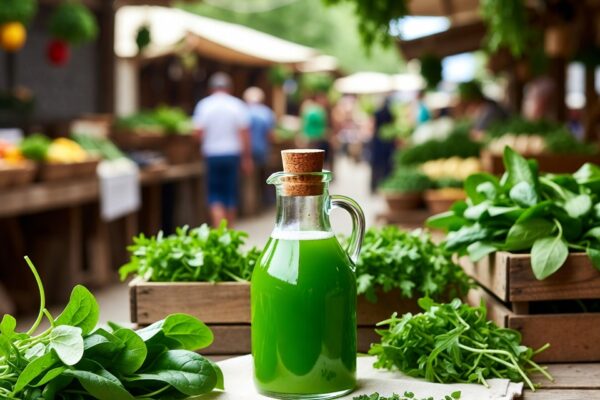
Fresh leaves can be processed into tinctures, which are concentrated liquid extracts:
- Finely chop or blend fresh prickly lettuce leaves.
- Place the plant material in a glass jar.
- Cover completely with high-proof alcohol (such as vodka or grain alcohol).
- Seal and let it steep for several days to a few weeks, shaking occasionally.
- Strain out the plant material, keeping the liquid extract.
This method helps draw out the key active compounds, including lactucin and lactucopicrin, into the alcohol.
Why Alcohol Is Used
Alcohol is commonly used as a solvent in herbal medicine because it:
- Extracts both water-soluble and alcohol-soluble constituents
- Preserves the extract for long periods
- Enhances the bioavailability of some active compounds
The bitter taste of the final extract is a sign of the presence of lactucarium and related compounds, which are associated with the plant’s sedative and calming actions.
Drying the Plant
If you wish to store prickly lettuce for later use:
- Use a dehydrator or a well-ventilated, shaded area to dry the leaves.
- Proper drying helps preserve:
- The green color
- Aroma and flavor
- Potency of active constituents
Dried leaves can later be used for:
- Herbal teas
- Tinctures
- Poultices or external applications
7. Extracting the Active Compounds
Alcohol Extraction
A more concentrated herbal extract can be made from dried leaves:
- Crush or coarsely grind dried prickly lettuce leaves.
- Place them in a jar and cover with high-proof alcohol.
- Allow the mixture to steep, occasionally heating gently (not boiling) to improve extraction.
This process focuses on extracting lactucarium and other fat- and alcohol-soluble constituents, creating a potent herbal extract.
Water Extraction
After the alcohol extraction, you can perform a complementary water extraction:
- Add water to the plant material or to the alcohol extract.
- Heat at low temperatures to avoid degrading delicate compounds.
Combining both alcohol and water extracts can yield a more complete spectrum of the plant’s beneficial components.
Concentrating the Extract
Initially, the extract may be too diluted for practical use. To strengthen it:
- Gently evaporate some of the liquid over low heat or by leaving it in a warm, protected spot.
- As water and some alcohol evaporate, the active compounds become more concentrated.
The result is a stronger tincture or extract that can be dosed in small amounts.
8. Storage and Dosage Guidelines
Storing the Extract
For long-term use and maximum shelf life:
- Keep the finished extract in airtight glass containers.
- Store in a refrigerator or freezer to preserve potency.
- Properly stored, tinctures can remain effective for several months or longer.
Suggested Dosage
For relaxation and sleep support, a commonly used herbal dosage is:
- 2–3 dropperfuls of tincture
- Diluted in a small amount of water
- Taken in the evening or about 30–60 minutes before bedtime
However, individual sensitivity varies. It is wise to:
- Begin with a lower dose (for example, 1 dropperful).
- Observe how your body responds.
- Adjust gradually if needed, within safe limits.
Always consult a qualified healthcare provider or experienced herbal practitioner for personalized guidance, especially if you have medical conditions or take other medications.
9. Final Thoughts
Prickly lettuce (Lactuca serriola) is far more than a simple weed. As a traditional herb, it offers:
- Mild sedative and calming effects via lactucarium
- Nutritional value, including vitamins A and K and iron
- Antioxidant support that may help protect long-term health
Whether you choose to use prickly lettuce as a gentle sleep aid, a calming herbal ally, or a wild green added occasionally to your meals, it is a plant that merits greater recognition.
As with all wild herbs:
- Ensure accurate identification before harvesting.
- Use moderate amounts and pay attention to your body’s response.
- Seek professional advice if you are unsure about safety or dosing.
By mindfully incorporating prickly lettuce into your wellness routine, you can tap into a time-tested wild plant resource to support overall health and well-being.