Wild Lettuce Sap (“Opium Lettuce”): Collection, Uses, and Safety
Wild lettuce (Lactuca virosa), often nicknamed “opium lettuce,” has a long history of use as a natural aid for pain relief and relaxation. The plant contains a milky white latex in its stems and leaves called lactucarium, which is considered the most active part. Although it does not contain actual opiates, it has traditionally been valued for its gentle sedative and analgesic effects.
This guide explains how to collect wild lettuce sap, its traditional benefits and uses, and the key safety precautions to know before trying it.
How to Collect Wild Lettuce Sap
Gathering sap from wild lettuce requires careful identification and a patient, methodical approach. Follow these steps to collect it as safely and effectively as possible.
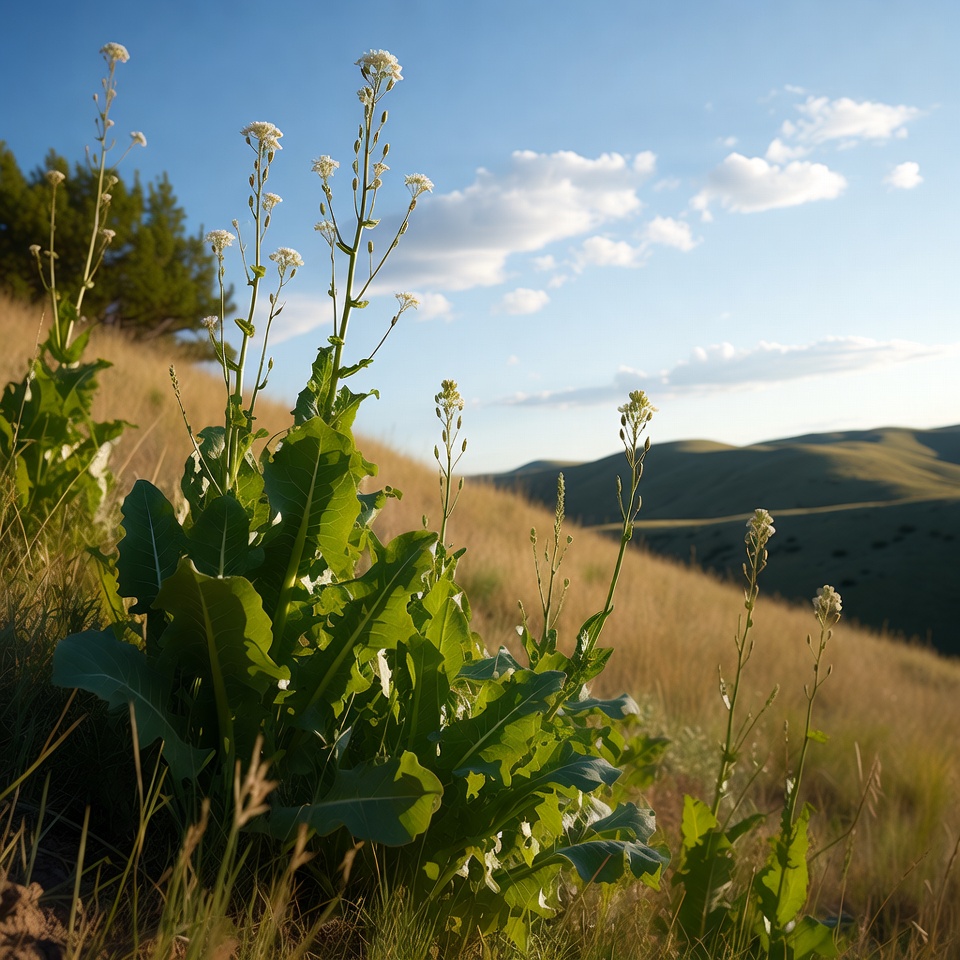
1. Identifying Wild Lettuce
Wild lettuce typically grows in:
- Open meadows and fields
- Roadsides and along fences
- Disturbed or neglected soil
Key identification features:
- Tall, upright growth, sometimes up to 6 feet (about 1.8 m)
- Narrow, spiny, or prickly leaves with a blue-green tone
- When the stem or leaf is broken, it exudes a milky, white latex (lactucarium)
Always be absolutely certain of the plant’s identity before harvesting. Misidentification can be dangerous.
2. Harvesting the Sap (Lactucarium)
Once you have correctly identified wild lettuce, you can begin collecting the sap:
-
Select mature plants
- Older, fully grown plants tend to produce more abundant sap.
-
Make the first cut
- Using a clean, sharp knife, cut the main stem near the base.
- As the stem bleeds, a milky latex will begin to ooze out.
-
Collect the sap
- Gently scrape the sap with a spoon, knife, or similar tool.
- You can also let it drip onto a clean glass plate or other smooth surface.
-
Repeat along the stem
- Make additional cuts higher up the stem and on thicker branches.
- Allow the latex to flow from each cut and collect it as it appears.
-
Dry the sap
- Let the collected sap dry naturally at room temperature.
- It will darken and solidify into a brown, resin-like material.
-
Store properly
- Place the dried sap in a small, airtight container.
- Keep it in a cool, dry place away from moisture and direct light.
What Is Wild Lettuce Sap Used For?
For generations, wild lettuce sap has been used as a traditional herbal remedy, especially for:
-
Pain relief
Used historically for mild pain such as headaches, muscle aches, and general discomfort. -
Relaxation and sleep support
Some people use it to promote a sense of calm and to support better sleep quality. -
Stress and anxiety relief
Its gentle, soothing properties have been used to help ease tension and nervousness. -
Cough suppression
In folk medicine, small amounts have been used to help calm persistent coughs. -
Mild mood lift
While not strongly intoxicating, some users report a subtle feeling of well-being or light euphoria.
These uses come from traditional and anecdotal reports and are not backed by strong clinical evidence.
How to Use Wild Lettuce Sap
There are several common ways people incorporate wild lettuce sap or leaves into their herbal routines. Always start with very small amounts and proceed cautiously.
1. Tincture (Using the Sap)
A tincture is a liquid extract made with alcohol:
- Place dried wild lettuce sap in a small glass jar.
- Cover it with a neutral alcohol such as vodka or brandy.
- Seal the jar and let it steep for 2–4 weeks, shaking every few days.
- Strain the liquid and transfer it to a dark glass dropper bottle.
- Begin with 1–2 drops in water to assess your sensitivity, increasing very gradually if needed.
2. Herbal Tea (Using the Leaves, Not the Sap)
The leaves, rather than the pure sap, are more commonly used for tea:
- Use 1–2 teaspoons of dried wild lettuce leaves.
- Pour boiling water over the leaves.
- Let the tea steep for 10–15 minutes.
- Strain and drink, typically in the evening for relaxation.
3. Direct Consumption of Sap (Advanced, Not for Beginners)
Some experienced herbalists use the dried sap directly:
- A tiny piece (about the size of a grain of rice) may be dissolved in hot water or tea.
- This method is potent and should be approached with extreme caution.
- Not recommended for beginners or anyone unfamiliar with how their body reacts.
4. External Application for Pain
Wild lettuce sap can also be used topically:
- Mix a small amount of sap with a carrier oil such as coconut, olive, or jojoba oil.
- Apply the mixture to areas of muscle or joint discomfort.
- Do not apply to open wounds, broken skin, or irritated areas.
Topical use is generally considered milder than internal use but still warrants care.
Important Safety Notes and Precautions
This information is educational and does not constitute medical advice. Wild lettuce sap is a traditional remedy, not an approved medical treatment.
Before using wild lettuce in any form, consider the following:
-
Dosage is crucial
- Taking too much may cause nausea, dizziness, stomach upset, or other adverse effects.
- Always start with the lowest possible amount.
-
Not suitable for everyone
- Pregnant or breastfeeding individuals should avoid wild lettuce unless explicitly cleared by a healthcare professional.
- Children and adolescents should not use wild lettuce sap.
- People with chronic illnesses, liver or kidney issues, or those on medications should consult a qualified healthcare provider first.
-
Possible allergies and sensitivities
- Those allergic to plants in the Asteraceae/Compositae family (such as lettuce, daisies, or ragweed) may also react to wild lettuce.
-
Consult a professional
- Always speak with a doctor, herbalist, or other licensed practitioner before trying wild lettuce, especially if you have existing health conditions or take prescription drugs.
-
No liability for misuse
- This article does not replace professional medical guidance.
- Any use of wild lettuce is at your own risk, and we cannot be responsible for outcomes of self-experimentation.
Final Thoughts
Wild lettuce sap is a compelling example of a traditional herbal remedy used for natural pain relief and relaxation. While its historical uses are intriguing, it should never be seen as a substitute for proper medical care or prescribed treatment.
If you decide to explore wild lettuce:
- Research thoroughly
- Start with very small amounts
- Monitor your body’s response closely
- Seek professional advice if you have any doubts or health concerns
Herbal remedies can be powerful allies when used wisely. Stay informed, stay cautious, and prioritize your safety above all else.