How to Remove Hard Water Stains from Sinks and Faucets
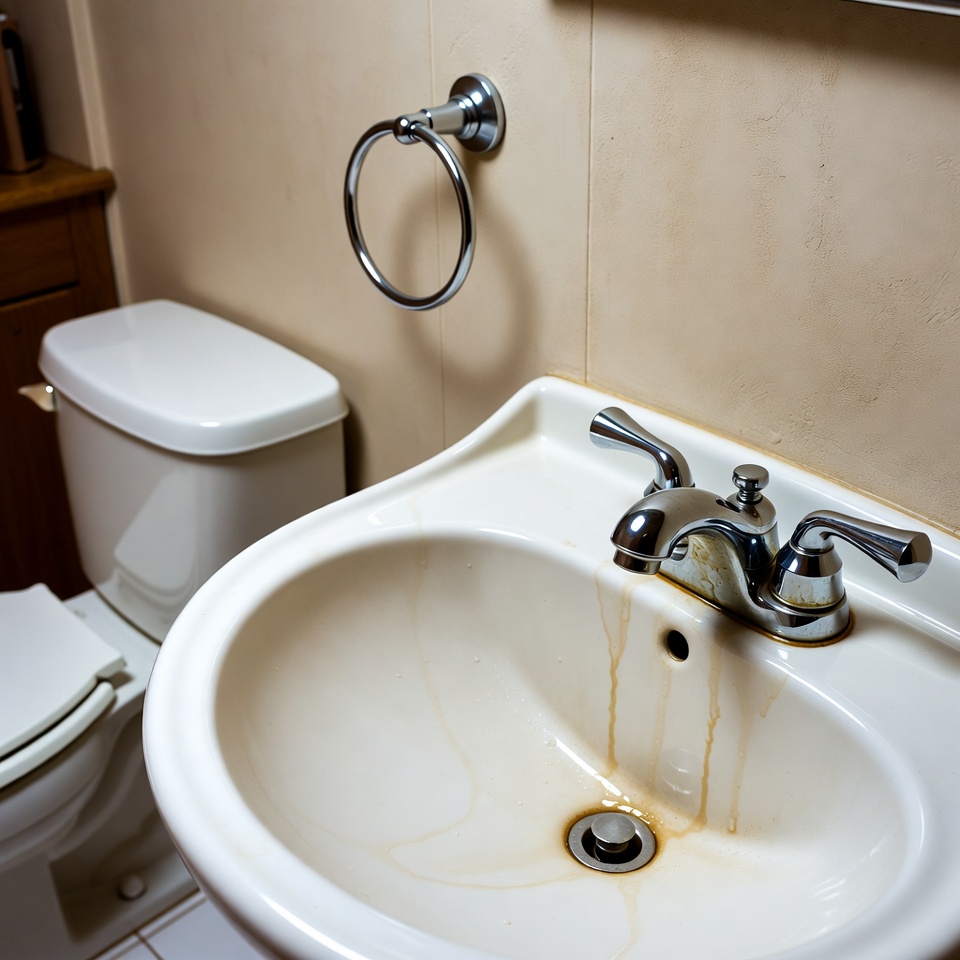
Hard water stains appear as stubborn, chalky white or cloudy marks caused by mineral deposits—mainly calcium and magnesium—from tap water. Over time, they can leave your sink and faucet looking dull, stained, and unclean, even if you clean them regularly. With a few simple household ingredients and the right technique, you can restore their shine and keep them looking like new.
Supplies You’ll Need
- White vinegar – Helps dissolve mineral deposits and has mild disinfecting properties
- Baking soda – Acts as a gentle abrasive for deeper cleaning
- Lemon juice – A natural acid that helps break down hard water stains
- Dish soap – Cuts through grease, soap scum, and general grime
- Microfiber cloths or paper towels – For wiping without scratching surfaces
- Old toothbrush or soft sponge – Ideal for scrubbing corners and tight spots
- Plastic bag and rubber band – Useful for soaking faucet heads or fixed aerators
Step-by-Step Guide: How to Clean Hard Water Stains
1. Loosen Mineral Deposits with White Vinegar
- Soak a microfiber cloth or several paper towels in white vinegar.
- Place or wrap the vinegar-soaked cloth over the stained areas of the sink or faucet.
- Leave it in place for about 15–30 minutes to allow the vinegar to dissolve the mineral buildup.
- Remove the cloth and wipe the area with a damp sponge or cloth to remove loosened residue.
2. Apply a Baking Soda Paste for Tough Stains
- In a small bowl, combine baking soda with a small amount of water to create a thick paste.
- Using a soft sponge or old toothbrush, gently scrub the paste onto remaining hard water spots.
- Let the paste sit on the surface for 5–10 minutes so it can work on stubborn deposits.
- Rinse thoroughly with warm water and wipe away any remaining residue.
3. Deep Clean Faucet Aerators and Showerheads
Hard water can cause white, crusty buildup on faucet aerators and showerheads, affecting water flow.
- If possible, unscrew and remove the aerator or showerhead.
- Place it in a bowl filled with white vinegar and let it soak for 30–60 minutes.
- After soaking, scrub gently with an old toothbrush to remove loosened mineral deposits.
- Rinse well with clean water, then reinstall the aerator or showerhead.
If the aerator cannot be removed:
- Fill a small plastic bag with white vinegar.
- Place the bag over the faucet head so that the aerator is fully submerged in vinegar.
- Secure the bag with a rubber band and let it soak for about 30 minutes.
- Remove the bag, then wipe and rinse the faucet thoroughly.
4. Use Lemon Juice for Extra Shine and Freshness
- Cut a lemon in half and rub the cut side directly over the stained areas of the sink or faucet.
- Make sure to work the juice into any remaining spots or dull patches.
- Allow the lemon juice to sit for 5–10 minutes to help dissolve lingering mineral deposits.
- Rinse with warm water and wipe dry. The lemon also leaves a fresh, clean scent.
5. Final Rinse and Polish
- Rinse the entire sink and faucet with warm water to remove all cleaning residues.
- Immediately dry all surfaces with a clean microfiber cloth. This step is crucial to prevent new hard water stains from forming.
How to Prevent Hard Water Stains from Coming Back
- Dry after each use: Wipe down faucets and sinks with a soft cloth to stop water from drying on the surface and leaving mineral spots.
- Consider a water softener: If hard water is a recurring issue in your home, installing a water softener system can significantly reduce mineral buildup.
- Do weekly maintenance with vinegar: Lightly clean problem areas with vinegar once a week to keep deposits from accumulating.
- Add a protective coating: Apply a thin layer of car wax or a small amount of baby oil on stainless steel sinks and faucets, then buff dry. This creates a water-repellent barrier that helps prevent new stains.
Why This Cleaning Method Works
-
Vinegar and lemon juice = natural acids
These mild acids dissolve the calcium and magnesium deposits that cause hard water stains, making them easier to wipe away. -
Baking soda = gentle scrubbing power
Baking soda provides light abrasion that helps lift off mineral buildup and soap scum without scratching most sink and faucet surfaces. -
Soaking + scrubbing = deeper clean
Allowing parts to soak in vinegar loosens tough deposits, while gentle scrubbing removes the remaining residue for a thorough clean.
With these simple steps, your sink and faucet can regain their original shine and stay free from hard water stains with regular upkeep.