
Moringa Oleifera: A Nutrient-Rich Plant for Blood Sugar, Heart Health, and Daily Wellness
Many people struggle with keeping blood sugar in a healthy range, maintaining normal blood pressure, supporting flexible joints, managing cholesterol, and encouraging good circulation as they move through busy routines and the natural changes of aging. When these issues build up, they can contribute to tiredness, physical discomfort, and lower stamina, affecting productivity, family life, and overall well-being. Although healthy eating and consistent exercise remain essential, there is growing interest in plant-based nutrition that may offer extra support through naturally occurring compounds.
One plant receiving increasing attention is Moringa oleifera, also known as the drumstick tree or miracle tree. Its leaves are especially valued because they contain an impressive mix of vitamins, minerals, and beneficial plant compounds. So why are more people adding moringa powder to their daily habits? Below, we explore its nutritional value, potential wellness benefits, and simple ways to use it every day.

What Is Moringa Oleifera?
Moringa oleifera is a rapidly growing tree originally from South Asia and now cultivated widely across tropical and subtropical regions. It has long been used in traditional food and wellness practices, and while many parts of the tree are useful, the leaves attract the most interest because of their concentrated nutrient profile.
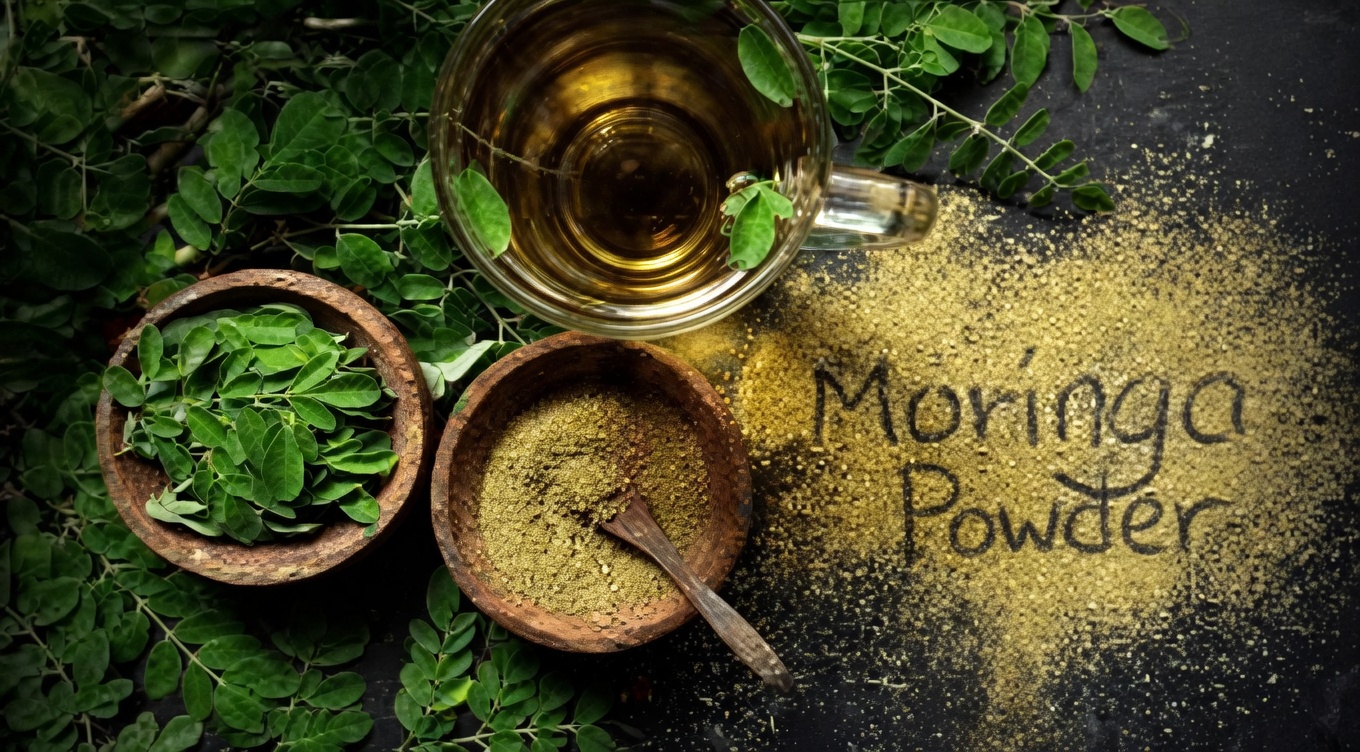
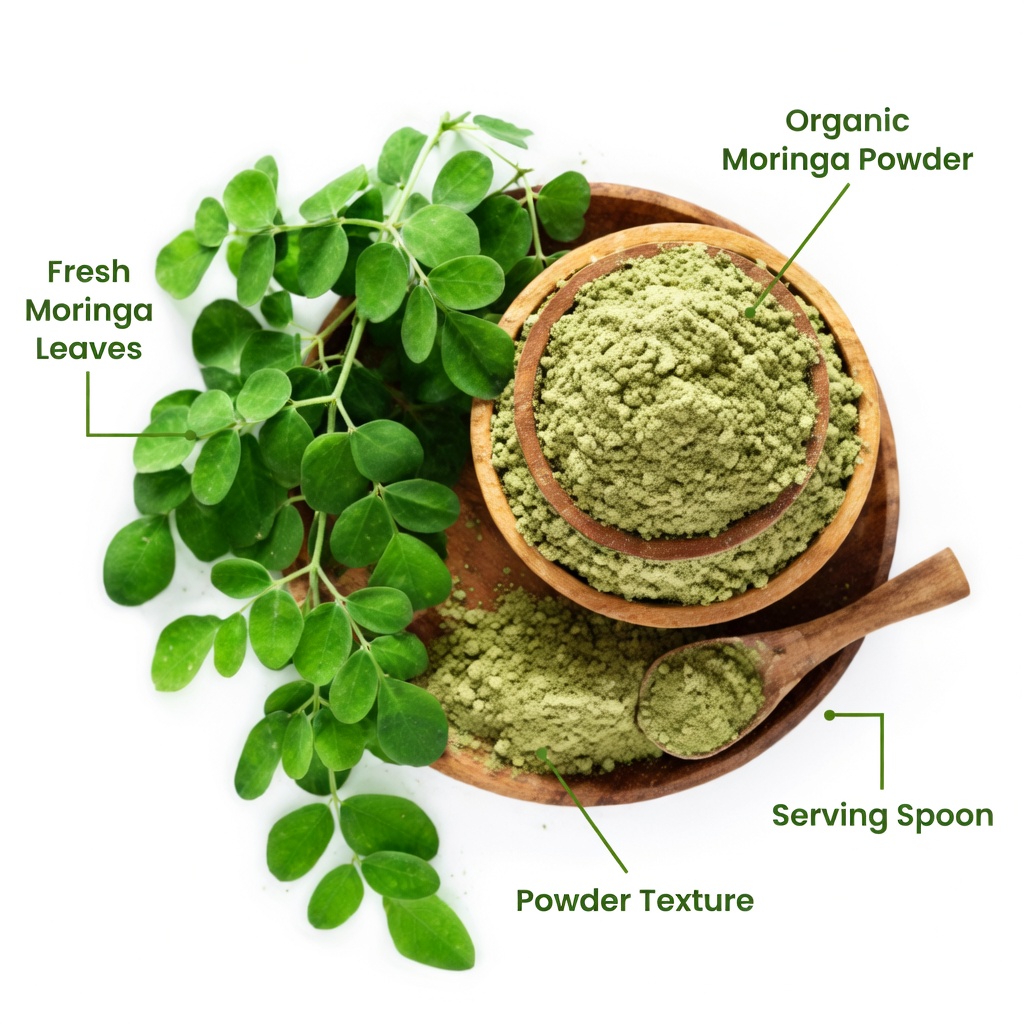
Once dried and ground, the leaves become a fine green powder that is easy to add to drinks and meals. The flavor is typically mild and earthy, with a fresh green note somewhat similar to matcha, though usually less strong.
Research has highlighted moringa’s impressive nutrition. The leaves are known to provide notable amounts of:
- Vitamin A
- Vitamin C
- Calcium
- Potassium
- Protein
They also contain antioxidant-rich compounds such as flavonoids and polyphenols, which may help the body respond to everyday oxidative stress.
Main Nutrients Found in Moringa Leaves
Moringa’s appeal comes from the wide variety of naturally present nutrients and bioactive substances it delivers.
Antioxidants
Compounds like quercetin and chlorogenic acid help defend cells against free radical damage and support overall wellness.
Vitamins and Minerals
Moringa leaves supply important nutrients including:
- Iron
- Magnesium
- B vitamins
These nutrients play a role in energy production, vitality, and normal body function.
Plant Protein and Amino Acids
Moringa contains plant-based protein, including essential amino acids that support muscle upkeep and recovery.
Additional Bioactive Compounds
It also provides polyphenols and isothiocyanates, which have been studied for supportive effects in laboratory and animal research.
Because of this combination, moringa powder is often added to:
- Smoothies
- Herbal drinks
- Soups
- Breakfast bowls
- Everyday meals
Researchers are now paying closer attention to how these compounds may affect common health markers.
How Moringa May Help Support Blood Sugar Balance
Stable blood sugar levels are important for consistent energy and long-term health. Early research, including animal studies and a limited number of human trials, suggests that moringa leaf extracts may positively influence glucose regulation.
Some studies in animals have shown possible improvements in insulin sensitivity and reduced spikes in blood sugar after meals. A few small human studies using moringa powder have also found mild benefits for fasting blood sugar or post-meal glucose responses, although findings are mixed and stronger evidence is still needed.
Possible ways moringa may offer support include:
- Flavonoids may help improve insulin activity.
- Antioxidants may reduce oxidative stress affecting pancreatic cells.
- Fiber may help slow the absorption of nutrients after eating.
Used as part of a balanced diet, moringa may provide helpful nutritional support alongside healthy lifestyle habits and regular health monitoring.
Moringa and Cardiovascular Health
Heart and circulation health depend on several factors, such as blood pressure, cholesterol balance, and blood vessel function. Moringa has become a topic of interest in this area because of both its mineral content and its plant compounds.
Some animal research suggests that moringa leaf extract may encourage blood vessel relaxation and help maintain healthy blood pressure, possibly by supporting nitric oxide availability. Limited observations in humans have also pointed to small improvements in systolic or diastolic blood pressure in some groups.
Potential cholesterol and circulation benefits
Research has also explored moringa’s possible role in lipid balance:
- Some model studies suggest it may help lower LDL cholesterol
- It may also help reduce triglycerides
- Antioxidants in moringa may help protect blood vessels from oxidative damage
Better vessel function may also support smoother circulation, helping the body deliver oxygen and nutrients more efficiently.
Supporting Comfort, Mobility, and Inflammation Response
Daily activity, repetitive movement, and age-related wear can all lead to stiffness and occasional body discomfort. Traditionally, moringa has been used to promote comfort, and modern interest focuses on its naturally occurring anti-inflammatory compounds.
Preclinical research suggests moringa may help reduce certain markers linked with inflammation and may offer support in joint-related models. While it is not a substitute for professional treatment, incorporating nutrient-dense foods like moringa may complement habits that encourage mobility and physical ease.
Easy Ways to Use Moringa Powder Every Day
Adding moringa to your routine does not have to be complicated. A practical starting point is a small daily amount, usually ½ to 1 teaspoon, to see how your body responds.
Simple ideas for daily use
-
Start small
- Mix ½ teaspoon into water or juice once a day.
-
Upgrade your breakfast
- Stir it into oatmeal, yogurt, or a smoothie with banana and spinach.
-
Make moringa tea
- Steep ½ teaspoon in hot water for 5 to 10 minutes.
- Add lemon or honey if you prefer a softer taste.
-
Mix it into meals
- Sprinkle it over soups, salads, or rice dishes for an easy nutrient boost.
-
Be consistent
- Taking it at the same time each day, such as with breakfast, can make the habit easier to maintain.
When buying moringa, choose a high-quality organic powder from a trusted source to help ensure purity and freshness.
Safety Tips and Best Practices
Moringa is generally considered well tolerated when used in moderate amounts as a food-based supplement. Some people may notice mild digestive changes when first adding it to their routine.
Before using moringa regularly, it is best to speak with a healthcare professional, especially if you:
- Take medication for blood sugar
- Use medication for blood pressure
- Have ongoing medical conditions
- Are pregnant or breastfeeding
Because moringa may interact with certain medications, professional guidance is important.
Final Thoughts on Moringa Oleifera
Moringa oleifera leaves provide a highly nutritious option for people interested in natural ways to support everyday wellness. With its rich supply of vitamins, minerals, antioxidants, and other plant compounds, moringa fits well into a balanced lifestyle centered on whole foods and healthy routines.
Although the early research is promising, moringa appears to be most useful as part of a bigger wellness strategy rather than a standalone answer. Use it thoughtfully, stay consistent, and pay attention to how it works for your body.
Frequently Asked Questions
How much moringa powder should I take per day?
A common starting range is ½ to 1 teaspoon daily, or about 2 to 5 grams. Increase gradually depending on your tolerance and personal response.
Can moringa replace medicine for diabetes or high blood pressure?
No. Moringa should not replace prescribed medication or medical treatment. It is best used only as a complementary addition to a healthy diet.
What does moringa powder taste like?
Moringa powder has an earthy, grassy flavor with a slight bitterness. Many people find it more enjoyable when blended with fruit, lemon, honey, or other naturally sweet ingredients.