How to Make Perfect Pastry Cream (Crème Pâtissière)
Pastry cream is a rich, silky custard used in a wide variety of desserts—from éclairs to fruit tarts. Follow this guide for a smooth, flavorful pastry cream every time.
Ingredients
Core Ingredients
- 2 cups whole milk
- 1/2 cup granulated sugar (divided into two equal portions)
- 5 large egg yolks
- 1/4 cup cornstarch
- 2 tablespoons unsalted butter, softened
- 1 teaspoon pure vanilla extract
- 1/2 teaspoon salt
Optional Flavor Variations
Add one (or a combination) of these to change up the flavor:
- 1 teaspoon almond extract for a nutty aroma
- 1 tablespoon cocoa powder for a chocolate version
- 1 teaspoon finely grated orange zest for a bright citrus note
Step-by-Step Guide
Step 1: Warm the Milk
Combine milk and sugar.
Pour the milk into a medium-sized saucepan and stir in half of the granulated sugar. This helps keep the milk from burning on the bottom of the pan.
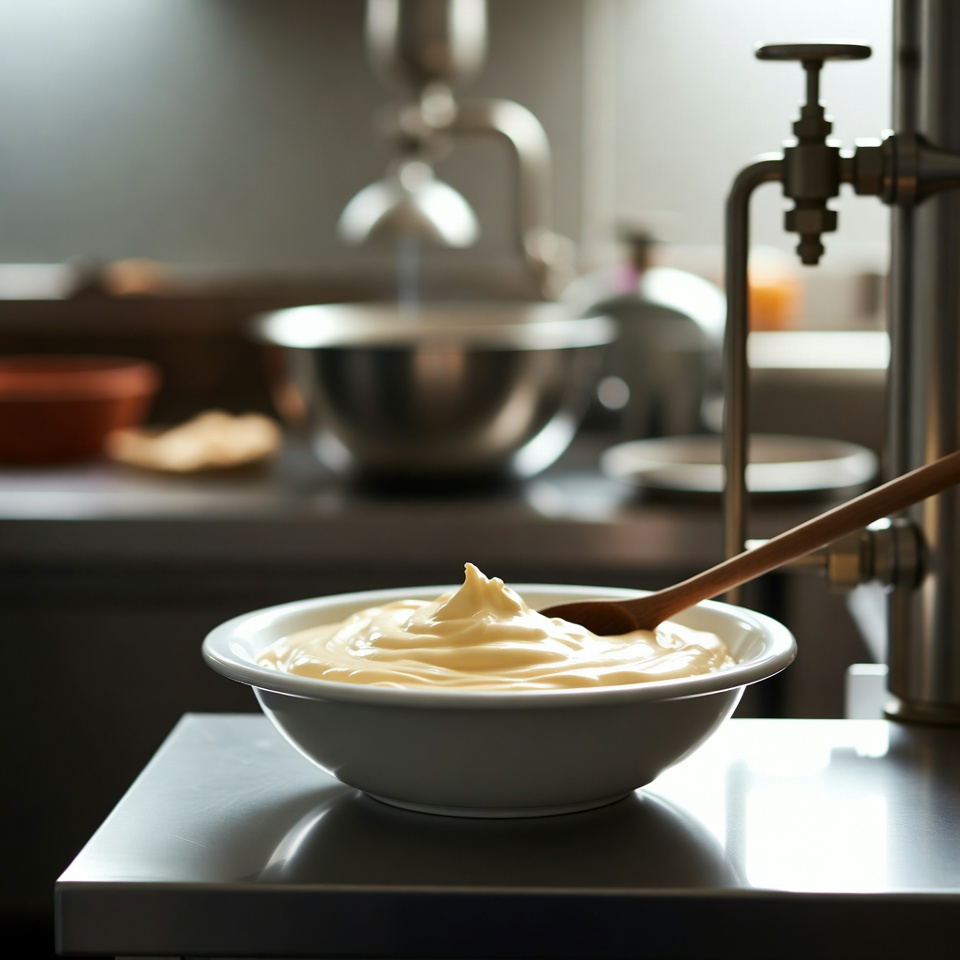
Heat gently.
Place the pan over medium heat. Warm the mixture until it just begins to simmer—small bubbles should appear around the edges. Stir occasionally. Once it reaches this stage, remove the pan from the heat.
Step 2: Prepare the Egg Mixture
Whisk the egg yolks.
In a separate mixing bowl, whisk the egg yolks until they are smooth and well combined.
Add dry ingredients.
Gradually whisk in the remaining sugar, cornstarch, and salt. Continue whisking until the mixture becomes thickened, smooth, and lighter in color.
Temper the eggs.
While whisking constantly, slowly drizzle in a ladleful of the hot milk mixture. This gradual addition raises the temperature of the eggs gently, preventing them from scrambling.
Step 3: Cook the Custard
Combine mixtures.
Pour the tempered egg mixture back into the saucepan with the rest of the warm milk, whisking as you pour.
Thicken over heat.
Return the pan to medium heat. Cook the mixture, whisking continuously, until it thickens. After a few minutes, it should reach a consistency similar to thick pudding and hold its shape on a spoon.
Remove from heat.
Once it has thickened properly, take the saucepan off the stove.
Step 4: Add Butter and Flavorings
Stir in the butter.
Add the softened butter, one tablespoon at a time, whisking until each piece is fully melted and incorporated before adding the next.
Flavor the cream.
Mix in the vanilla extract. If you prefer, replace or complement the vanilla with almond extract, cocoa powder, or orange zest to create a different flavor profile.
Step 5: Strain and Chill
Strain for a silky texture.
Pour the hot pastry cream through a fine-mesh sieve into a clean bowl. This removes any small lumps and ensures an ultra-smooth custard.
Cool and cover.
Press plastic wrap directly onto the surface of the pastry cream to prevent a skin from forming. Let it cool to room temperature, then transfer it to the refrigerator to chill completely before using.
How to Use Pastry Cream
-
Éclairs and Cream Puffs:
Fill cooled choux pastry shells with chilled pastry cream using a piping bag. -
Fruit Tarts:
Spread a layer of pastry cream in a baked tart shell, then arrange fresh fruit on top. -
Layer Cakes:
Use as a luscious filling between cake layers for added moisture and flavor. -
Danish Pastries:
Spoon or pipe pastry cream into the centers of shaped, unbaked Danish dough before baking.
Storage Tips
-
Refrigeration:
Store pastry cream in an airtight container in the refrigerator for up to 3 days. -
Freezing:
Freezing plain pastry cream is not ideal, as it can separate when thawed. However, it can sometimes be frozen successfully when already baked into pastries or incorporated into other desserts.
Troubleshooting Pastry Cream
-
Lumpy Texture:
If the cream becomes lumpy, pass it through a fine-mesh sieve while still warm. Constant whisking during cooking greatly reduces the risk of lumps. -
Too Thin or Runny:
If the cream is not thick enough, return it to the heat and cook a little longer, whisking continuously, until it reaches the desired thickness. It will also firm up slightly as it cools. -
Skin Forming on Top:
Always press plastic wrap directly onto the surface of the cream while it cools. This prevents a thick skin from forming.