Reusing Pistachio Shells in Your Garden
Pistachios are a favorite snack, but what happens to all those leftover shells? Instead of throwing them away, you can turn pistachio shells into a valuable resource for your garden. When ground into a fine powder, pistachio shells can boost soil health, support plant growth, and reduce waste.
This guide explains why pistachio shells are useful in gardening, how to turn them into powder, and the many ways you can use that powder in your garden.
Why Reuse Pistachio Shells?
Pistachio shells are:
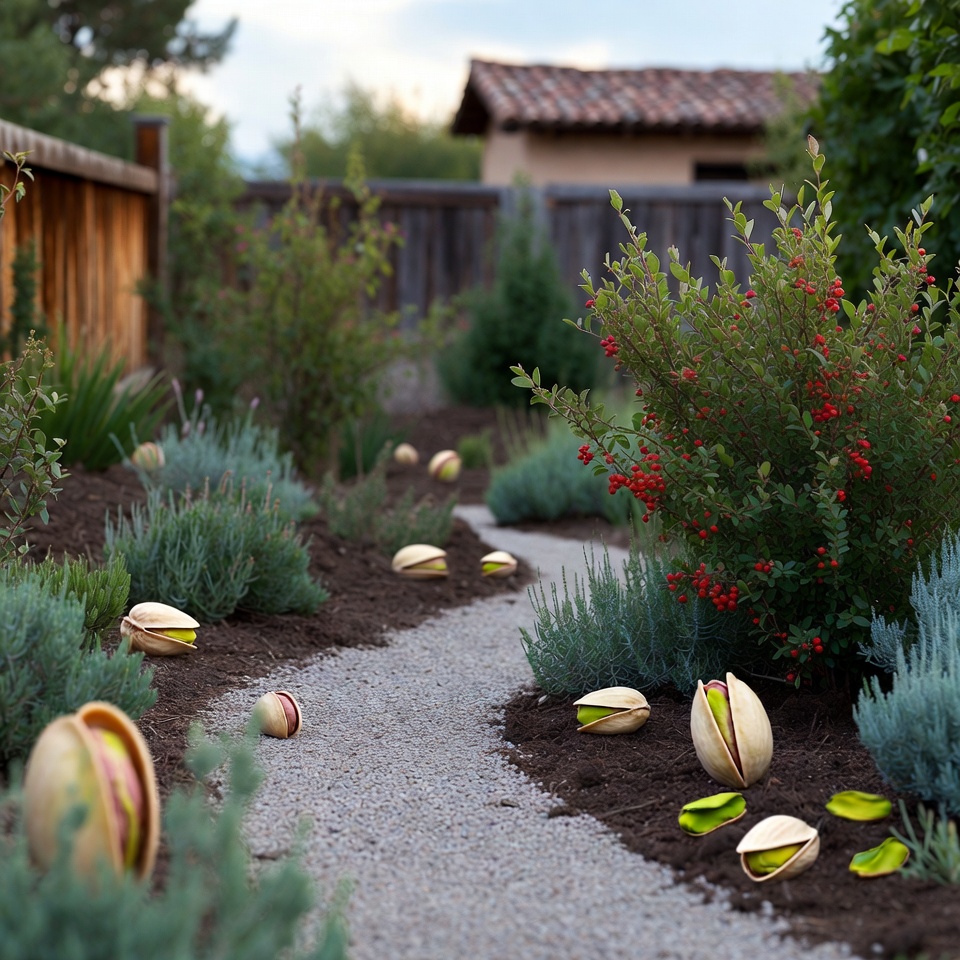
- Hard and durable – They break down slowly, making them long-lasting in the soil.
- Biodegradable – Over time, they decompose and return to the earth.
- Mineral-rich – They can add useful trace elements to your garden.
Because pistachio shells decompose slowly, they can pile up if simply thrown away. By grinding them and reusing them in the garden, you reduce waste and transform a snack byproduct into a practical, eco-friendly gardening material.
How to Make Pistachio Shell Powder
Pistachio shell powder is one of the most versatile ways to reuse shells in the garden. Follow these steps to make your own:
1. Clean the Shells
After eating the pistachios:
- Collect the empty shells.
- Rinse them thoroughly in cold water to remove salt, oil, and seasonings, which can harm plants.
- Spread the shells out and let them air-dry completely. Any moisture left can cause mold during storage.
2. Crush the Shells
Once dry:
- Place the shells in a sturdy bag or between two layers of cloth.
- Use a rolling pin, hammer, or mallet to crush them into small pieces.
- Breaking them down first makes the grinding step faster and easier.
3. Grind into a Fine Powder
Next:
- Put the crushed shells into a coffee grinder, blender, or food processor.
- Pulse in short bursts until you get a fine, sand-like powder.
- You may need to grind in several small batches, as pistachio shells are quite hard.
The finished powder should be fine enough to mix smoothly with soil or compost.
4. Store the Powder Properly
After grinding:
- Transfer the pistachio shell powder into a clean, dry, airtight container.
- Store it in a cool, dry place.
- Use immediately in the garden or keep it on hand for future projects.
How to Use Pistachio Shell Powder in the Garden
Once you have your pistachio shell powder, there are many ways to put it to work and support more sustainable gardening.
1. Soil Amendment
Mix the powder directly into garden beds or potting soil to:
- Improve soil structure and aeration.
- Help the soil retain moisture more evenly.
- Gradually release minerals as the shells continue to break down.
This creates a better environment for roots to spread and access water and nutrients.
2. Natural Mulch
Use pistachio shell powder as a light mulch:
- Sprinkle a thin layer around the base of plants.
- It helps reduce evaporation and keeps the soil moist longer.
- It can also suppress small weed growth.
Because it breaks down faster than whole shells or large chunks, plants benefit more quickly.
3. Compost Additive
Pistachio shell powder is rich in carbon, making it a great “brown” material for compost:
- Add it to your compost pile to help balance the carbon-to-nitrogen ratio.
- The small particle size speeds up decomposition compared to whole shells.
- This leads to richer, more balanced compost over time.
4. Natural Pest Barrier
Use it as a gentle, non-toxic pest deterrent:
- Sprinkle a ring of pistachio shell powder around vulnerable plants.
- The rough texture can make it uncomfortable for soft-bodied pests like slugs and snails to cross.
- This offers a more environmentally friendly option than many chemical pesticides.
5. Adjusting Soil pH
Pistachio shells are mildly alkaline:
- Adding the powder to acidic soils can help move the pH toward neutral.
- This can benefit many vegetables, herbs, and flowering plants that prefer neutral to slightly alkaline conditions.
Always test your soil pH before making major adjustments, especially in sensitive planting areas.
6. Biodegradable Planter Ingredient
You can incorporate pistachio shell powder into DIY biodegradable planters:
- Mix the powder with materials such as clay, paper pulp, or coconut coir.
- Form small pots or seed-starting cells.
- Plant these directly into the ground when seedlings are ready; the container will gradually decompose and enrich the surrounding soil.
This is a creative and sustainable way to reduce plastic use in the garden.
7. Natural Scrub for Garden Tools
Ground pistachio shells also work as a gentle abrasive:
- Combine the powder with a little water to create a paste.
- Use it to scrub dirt, sap, and light rust from metal tools.
- Rinse and dry tools well afterward to prevent corrosion.
It’s a more eco-friendly alternative to harsh chemical cleaners.
8. Seed-Starting Mix Booster
Enhance your seed-starting medium by adding a small amount of pistachio shell powder:
- It improves drainage in dense mixes.
- Helps prevent compaction so roots can spread more easily.
- Creates a healthier environment for germination and early growth.
Benefits of Reusing Pistachio Shells
Transforming pistachio shells into powder offers multiple advantages for both your garden and the environment:
-
Waste Reduction
Reusing shells keeps organic material out of landfills and supports a zero-waste lifestyle. -
Healthier Soil
The powder improves soil aeration and structure, making it easier for roots to grow and access air and water. -
Natural Pest Management
Using shell powder as a barrier against pests provides an eco-friendly option that reduces reliance on synthetic pesticides. -
Eco-Conscious Gardening
Whether added to compost, used as mulch, or included in DIY projects, pistachio shell powder encourages more sustainable gardening practices.
Final Thoughts
Pistachio shells might look like simple kitchen waste, but they offer surprising value in the garden. By grinding them into powder, you create a versatile material that can enrich soil, protect plants, support composting, and reduce waste.
Next time you enjoy a bowl of pistachios, think twice before discarding the shells—they could become an important part of your sustainable gardening routine.